01
Initial Consultation
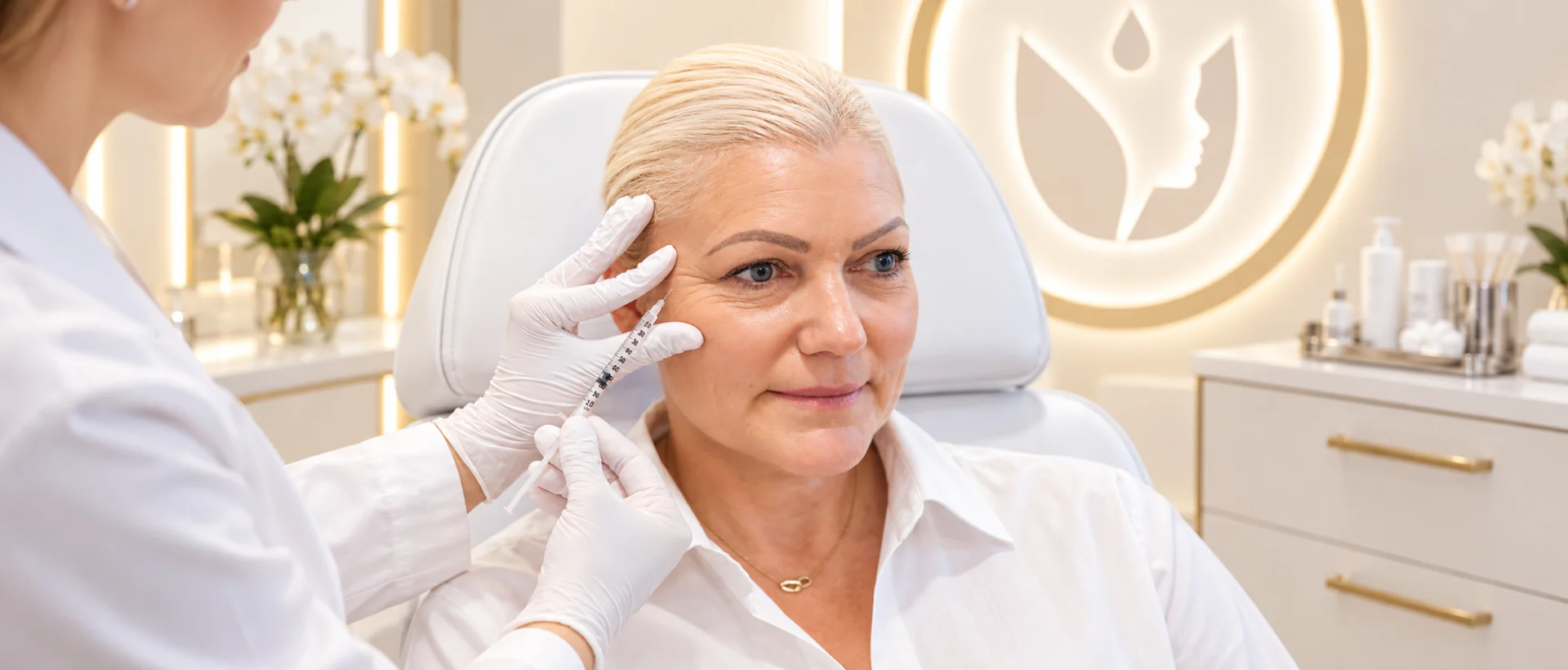
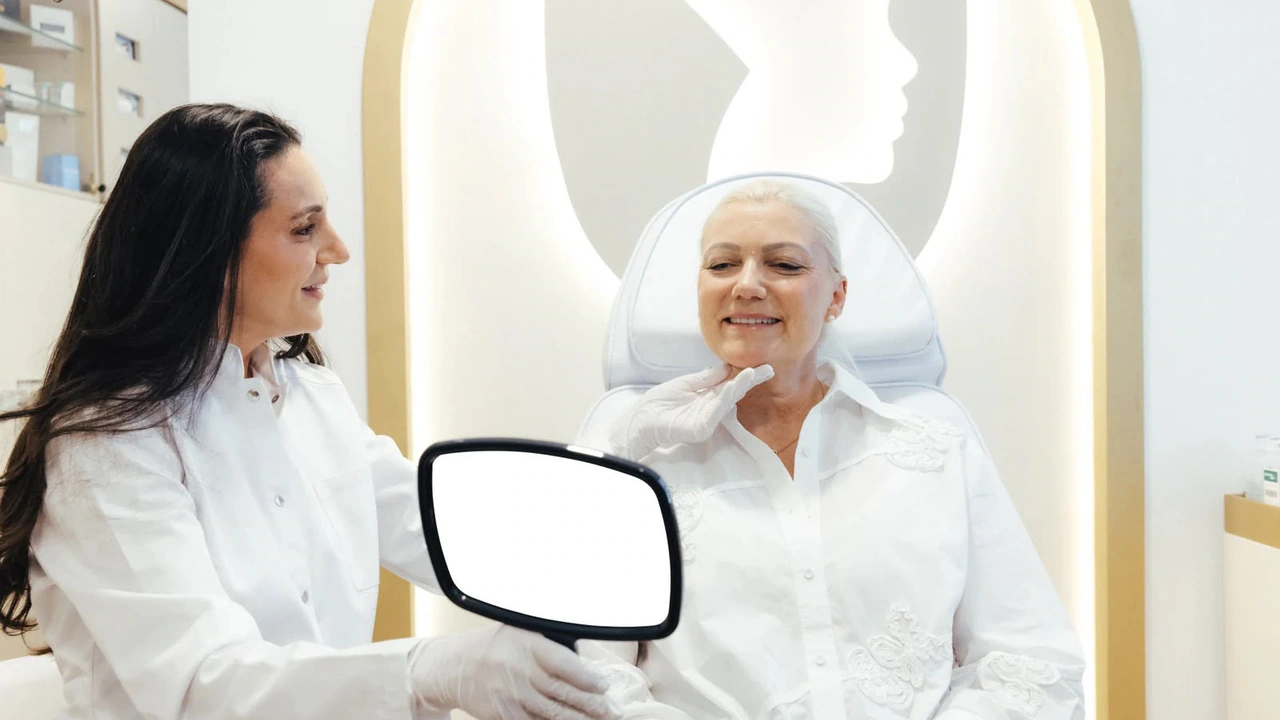
We assess the extent and depth of the deposits and check eyelid function. Previous treatments and possible recurrence are considered. We may also discuss a blood test to check lipid levels if medically appropriate.

NATURAL. SUBTLE. YOU.
Yellowish deposits can make the eyelid area look uneven. Xanthelasma is treated selectively after careful assessment.
Xanthelasma consists of yellowish fatty deposits in the skin, often near the inner corners of the eyes. DIVINE Medica combines xanthelasma treatment with careful assessment of eyelid function.
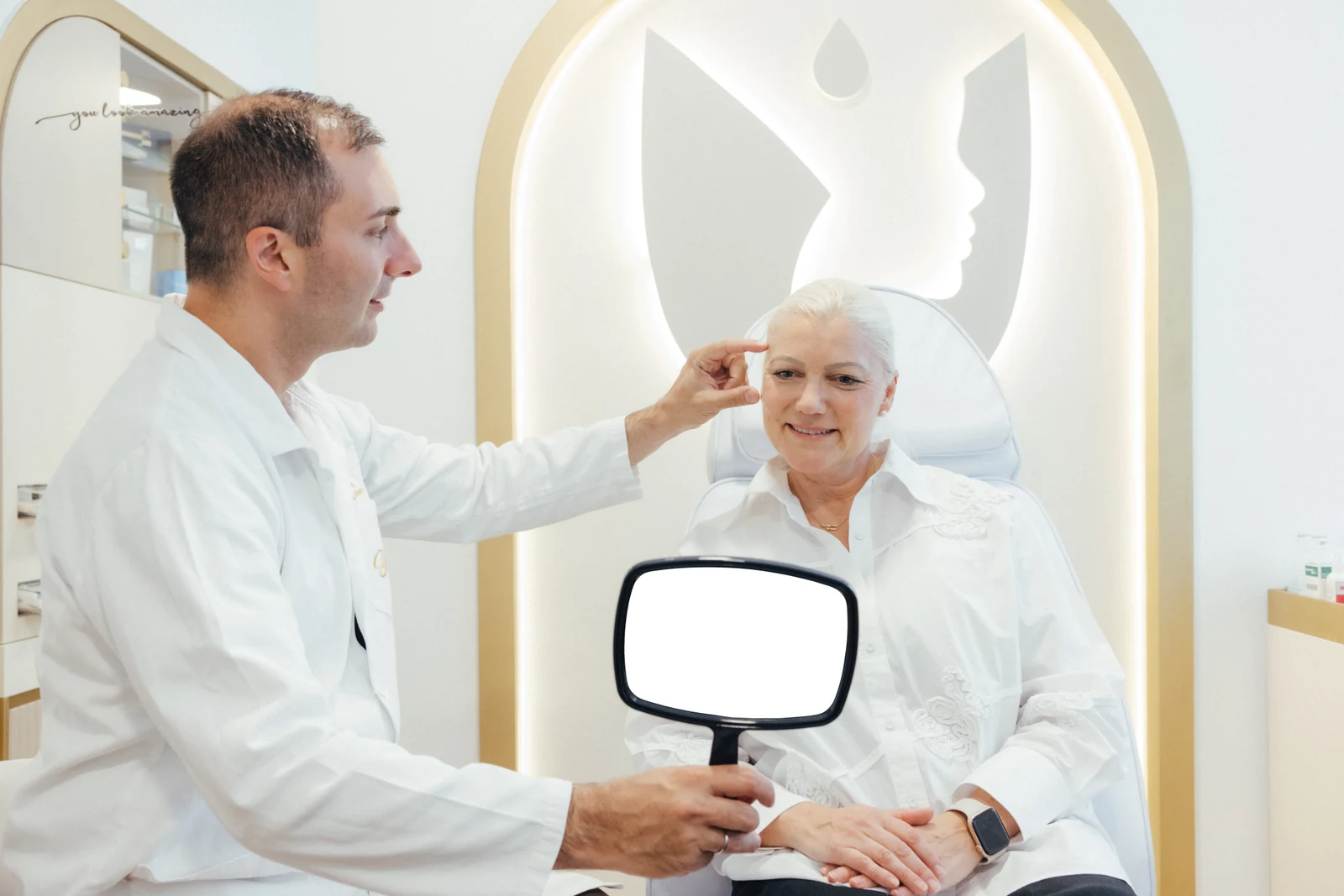
Xanthelasma consists of yellowish fatty deposits in the skin, often near the inner corners of the eyes. Controlled removal may be suitable in selected cases. Depth, surface area and available skin determine the method.
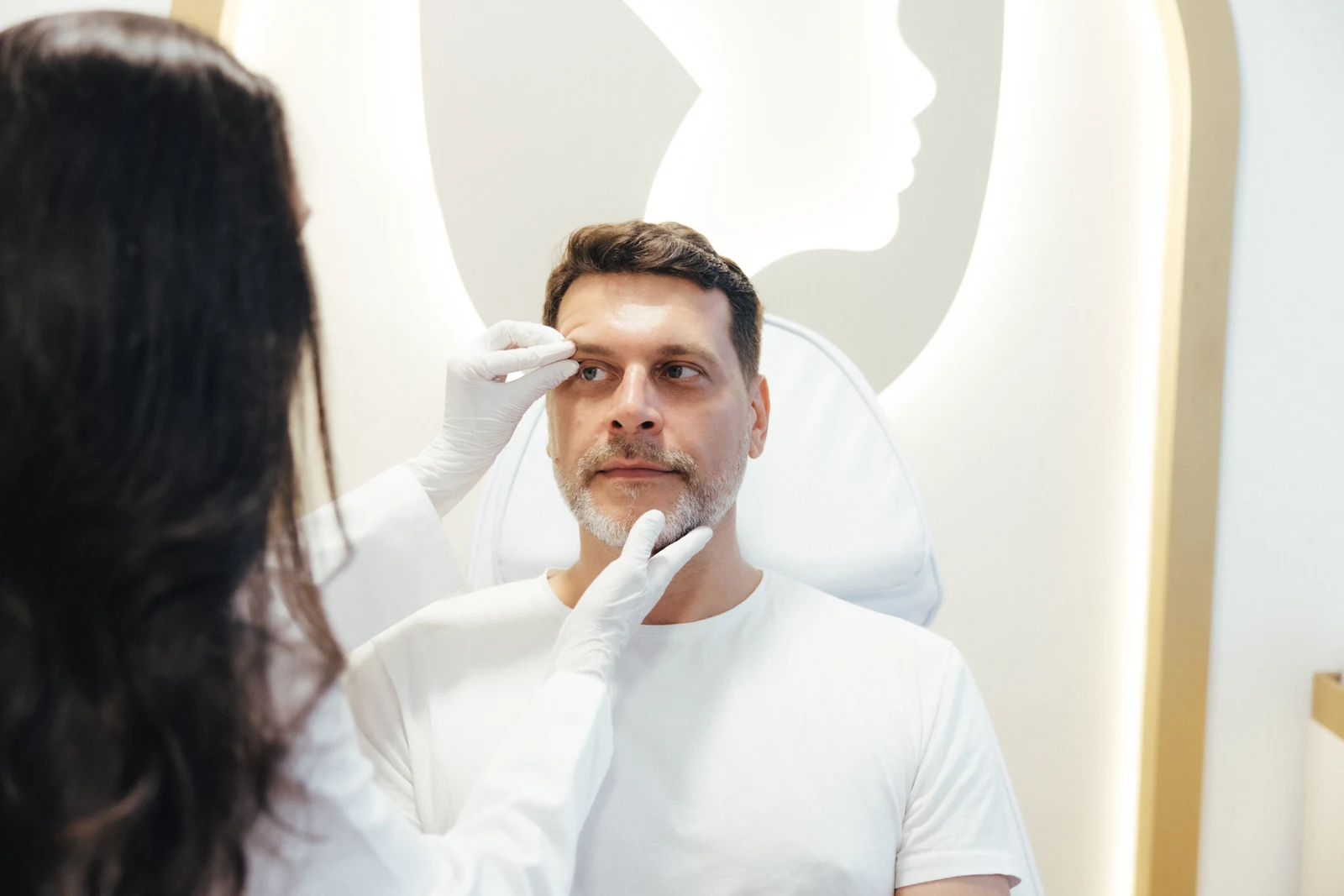
For bothersome yellowish eyelid deposits, we assess depth, extent and available skin. A blood test to check lipid levels may also be medically appropriate and can form part of the treatment planning.
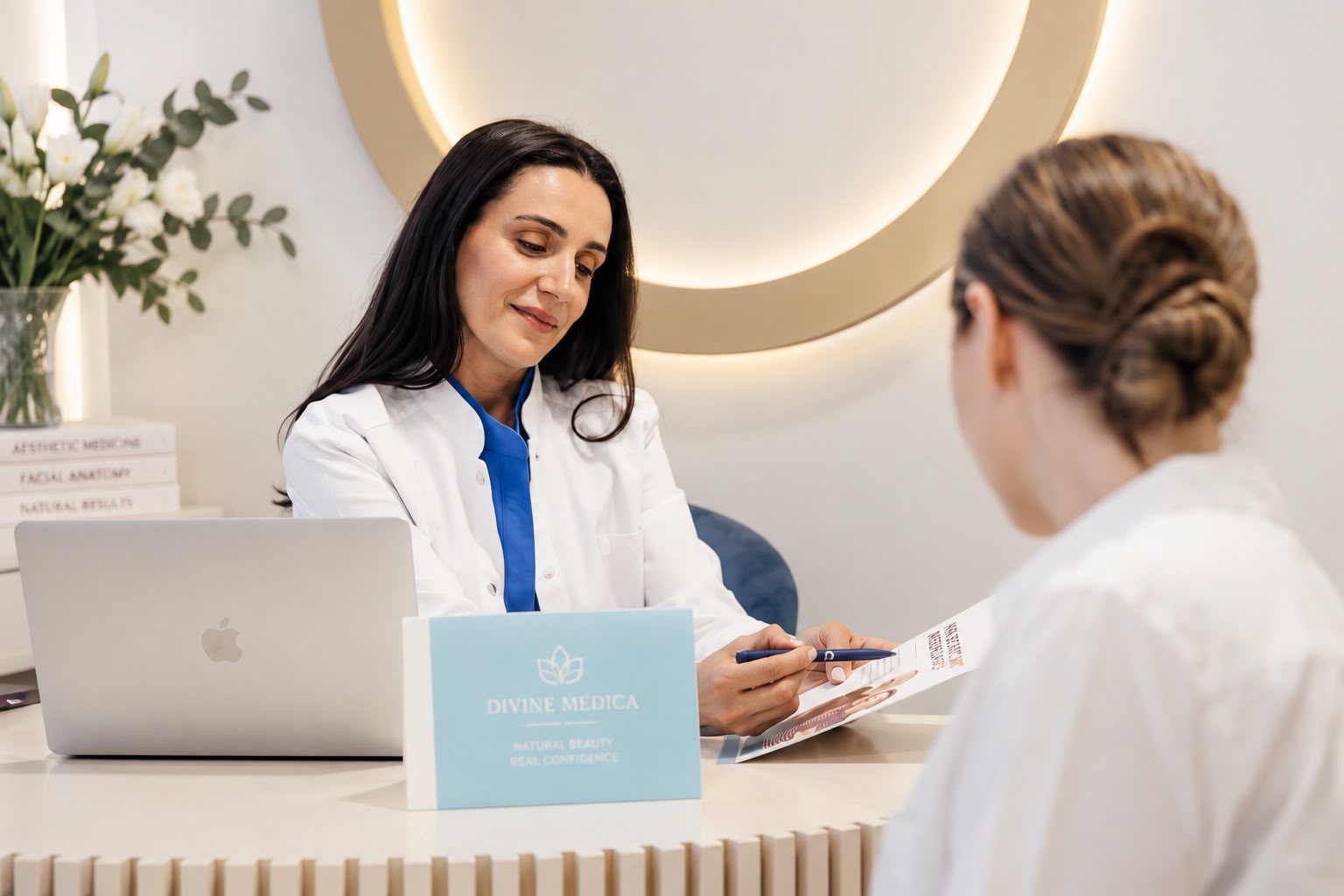
The diagnosis is clarified before removal, including whether tissue examination may be required. We discuss the risks of infection, delayed healing, scarring, pigment changes and damage to surrounding tissue with you. The extent of treatment, protective measures and aftercare depend on the location of the lesion.
We assess the extent and depth of the deposits and check eyelid function. We tailor the plan to the treatments suitable for you and how well your skin tolerates them.
We assess the extent and depth of the deposits and check eyelid function. Previous treatments and possible recurrence are considered. We may also discuss a blood test to check lipid levels if medically appropriate.
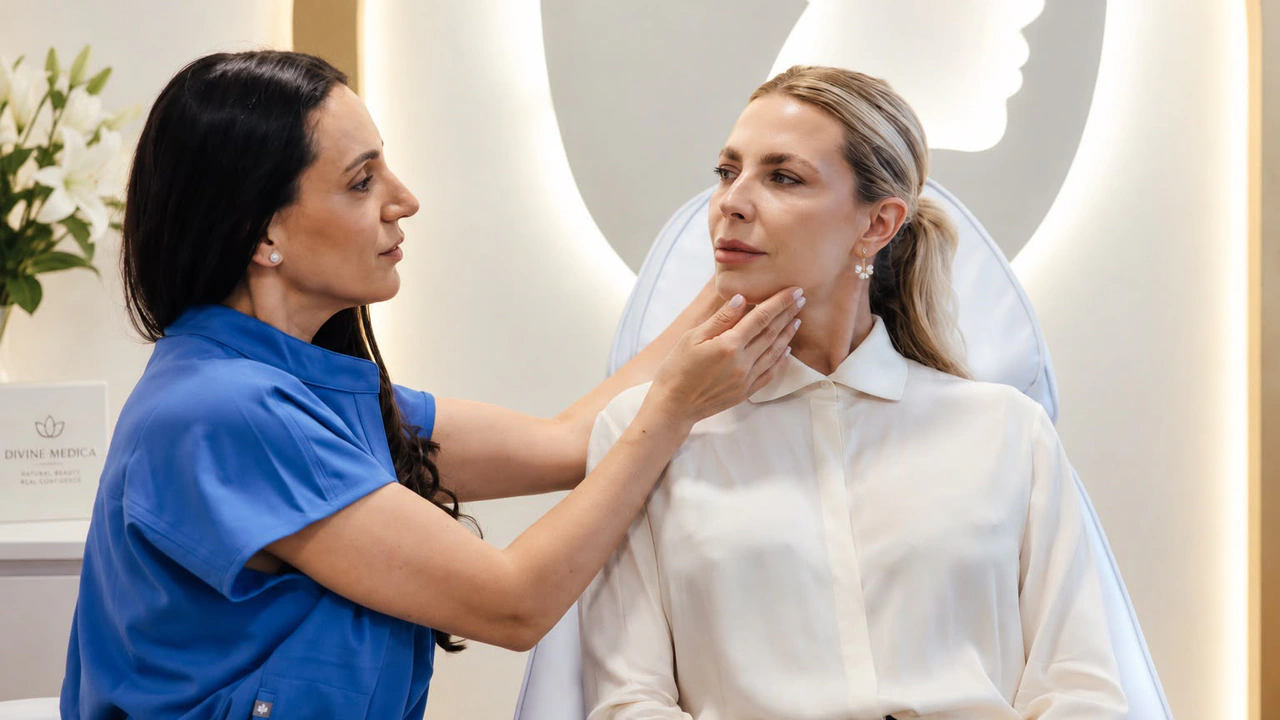
The eyelid lesion is documented and the treatment area marked. After suitable local anaesthesia and preparation, the required eye protection is put in place.
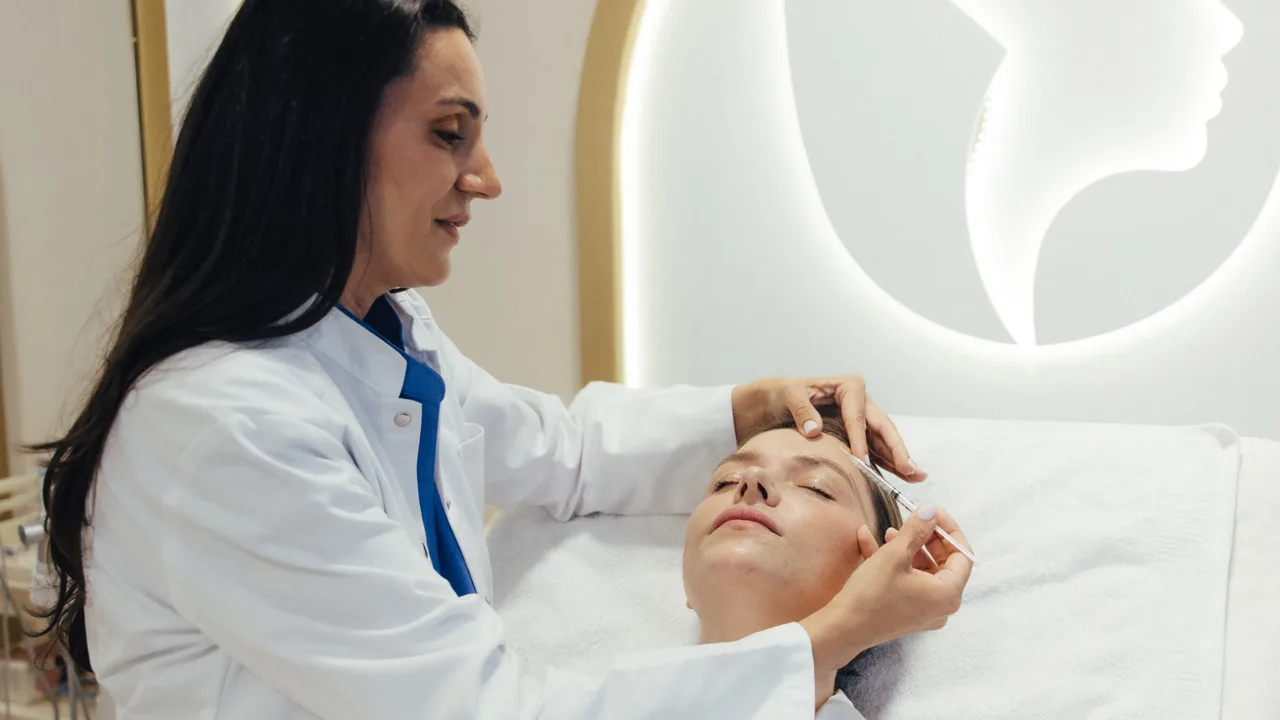
The selected deposits are carefully removed using the agreed method. Surrounding eyelid skin is taken into account, and aftercare depends on depth and surface area. Local anaesthesia usually keeps discomfort during removal to a minimum, although you may feel the injection and brief pressure.

At the end of the procedure, we assess the immediate response of the treated area. The first priority is monitoring wound healing in the eyelid area. Aftercare and follow-up appointments are tailored accordingly.
Tell us about previous eyelid treatments, eye symptoms, known lipid disorders and medications. Do not change prescribed medication on your own. Acute irritation or inflammation around the eyes must be assessed first.
Care for the eyelid area according to your personal instructions and protect it from friction. Use eye make-up only after medical clearance. Please report increasing pain, redness or oozing; seek immediate medical help for any visual disturbance.
The first priority is monitoring wound healing in the eyelid area. Skin colour and scar appearance can continue to change over 2–6 months. Xanthelasma can recur, and both the degree of improvement and how long it lasts vary from person to person.
Download the key preparation and aftercare guidance as a PDF.
The final treatment plan and price are confirmed during your consultation.
Prices may vary depending on the product, extent of treatment and any combination of treatments.
Answers to your questions about treatment, results and aftercare.
Xanthelasma consists of yellowish fatty deposits in the skin, often near the inner corners of the eyes. Controlled removal may be suitable in selected cases. Depth, surface area and available skin determine the method.
The appointment takes around 15–45 minutes. The first priority is monitoring wound healing in the eyelid area. Skin colour and scar appearance can continue to change over 2–6 months. Xanthelasma can recur, and both the degree of improvement and how long it lasts vary from person to person.
Local anaesthesia usually keeps discomfort during removal to a minimum, although you may feel the injection and brief pressure. Local anaesthesia is required. Expected downtime is around 3–10 days. The small wound may initially be tender, red or mildly swollen, and a crust can form. Minor bleeding is possible. Increasing pain, redness or discharge requires medical assessment.
For bothersome yellowish eyelid deposits, we assess depth, extent and available skin. A blood test to check lipid levels may be medically appropriate and can be included in planning. Care for the eyelid area according to your personal instructions and protect it from friction. Use eye make-up only after medical clearance. Please report increasing pain, redness or oozing; seek immediate medical help for any visual disturbance.
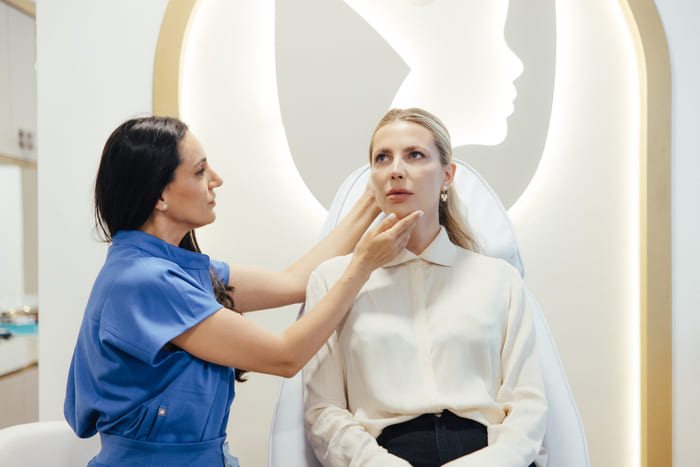
Recovery time: 3–10 days
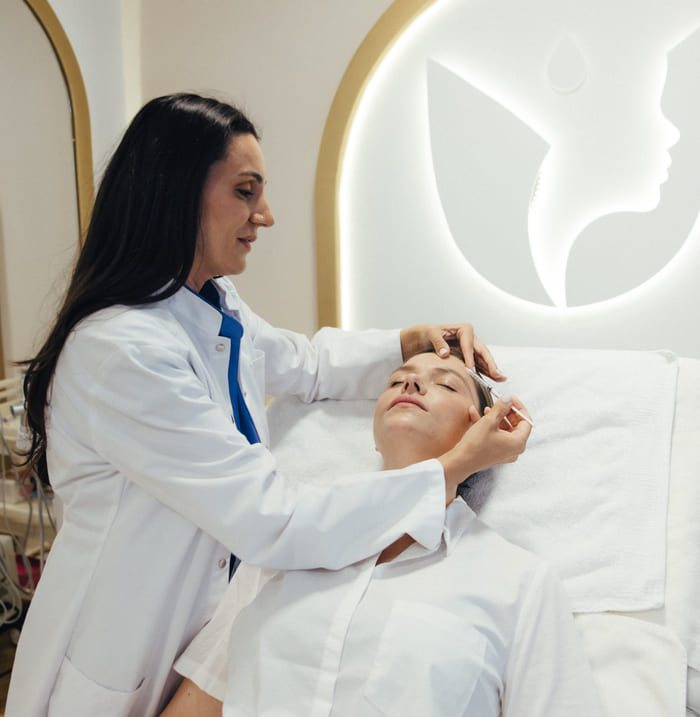
The small wound may initially be tender, red or mildly swollen, and a crust may form. Minor bleeding can occur. Increasing pain, redness or discharge requires medical assessment.
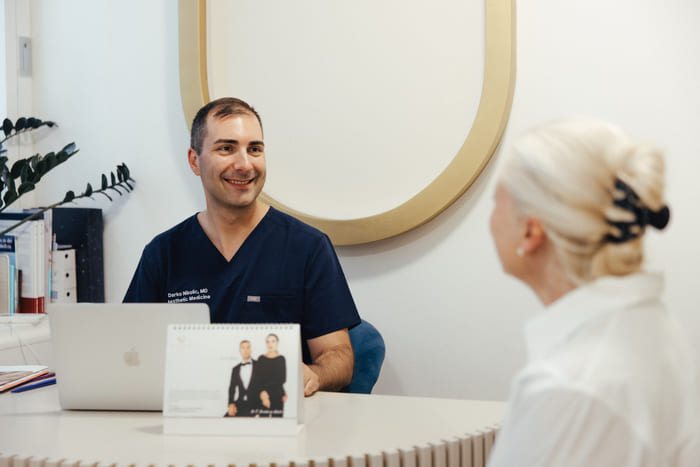
We assess how well your skin has tolerated treatment before planning any additional procedures. The amount of available skin and appropriate aftercare are just as important as the removal itself. The order of treatments and the intervals between them depend on your skin condition and previous procedures.

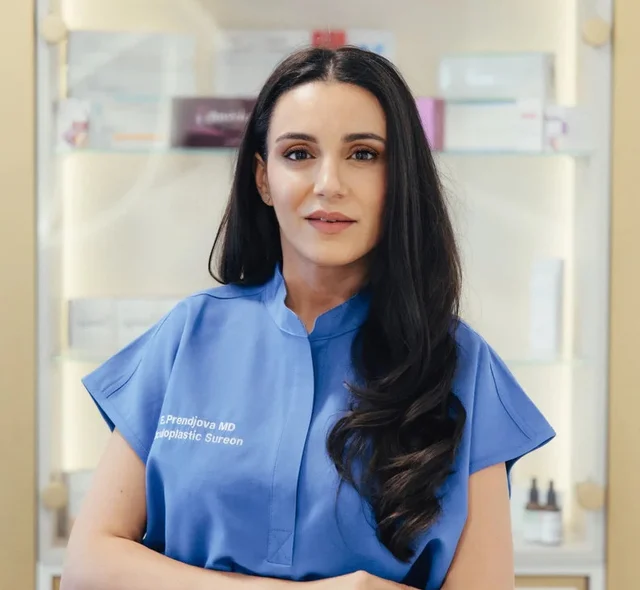
DIVINE Medica combines xanthelasma treatment with careful assessment of eyelid function. The ophthalmic expertise of FÄ Dr. Elizabeta Prendjova Nikolikj supports treatment planning. The amount of available skin and appropriate aftercare are just as important as the removal itself.

We assess the extent and depth of the deposits and check eyelid function. Previous treatments and possible recurrence are considered. We may also discuss a blood test to check lipid levels if medically appropriate. Your consultation takes place in person at DIVINE Medica in Munich.
A 30-minute consultation costs €75.
Make an Appointment >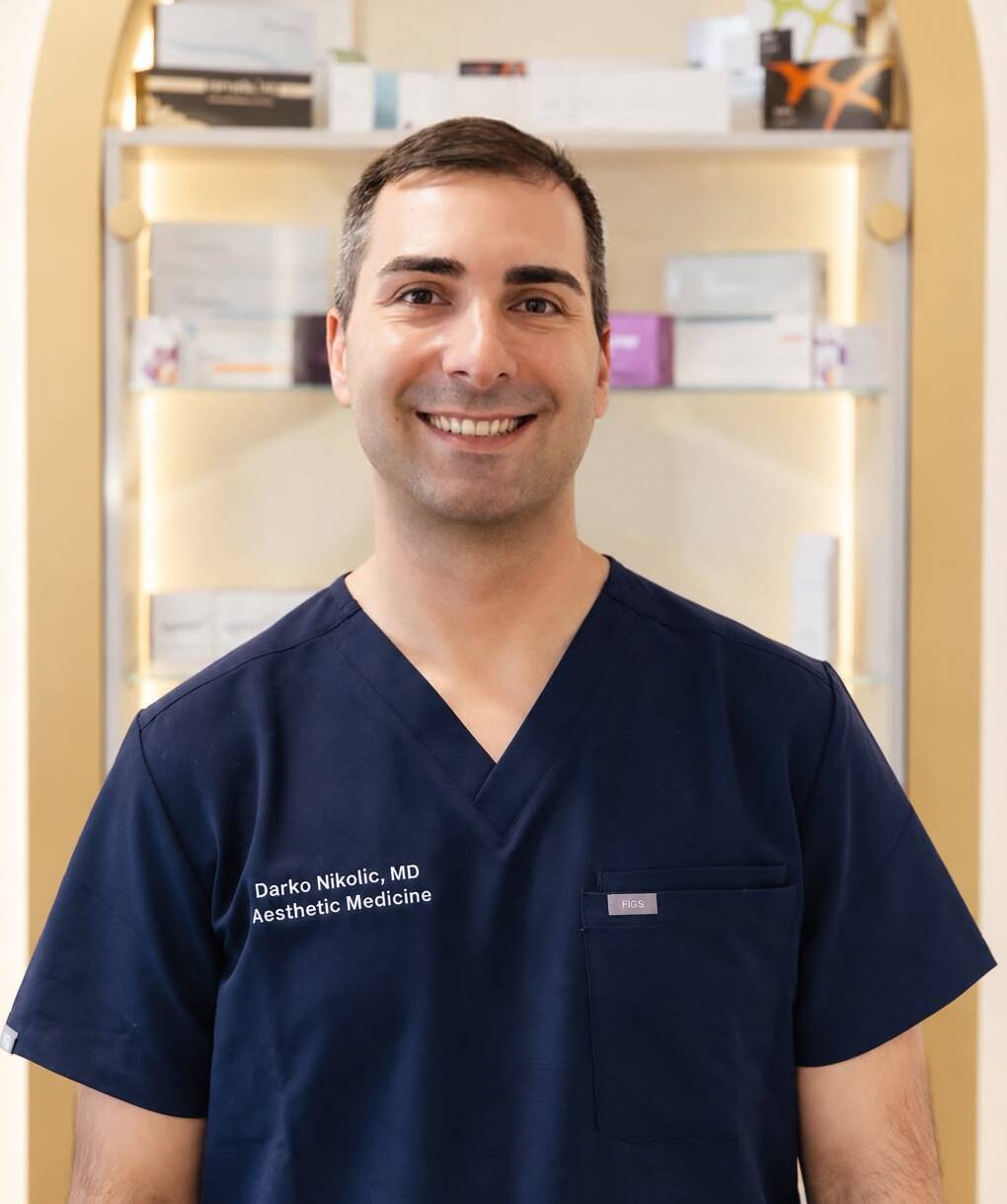
Specialist physician focused on personal consultation, medical responsibility and balanced treatment planning.
View Details →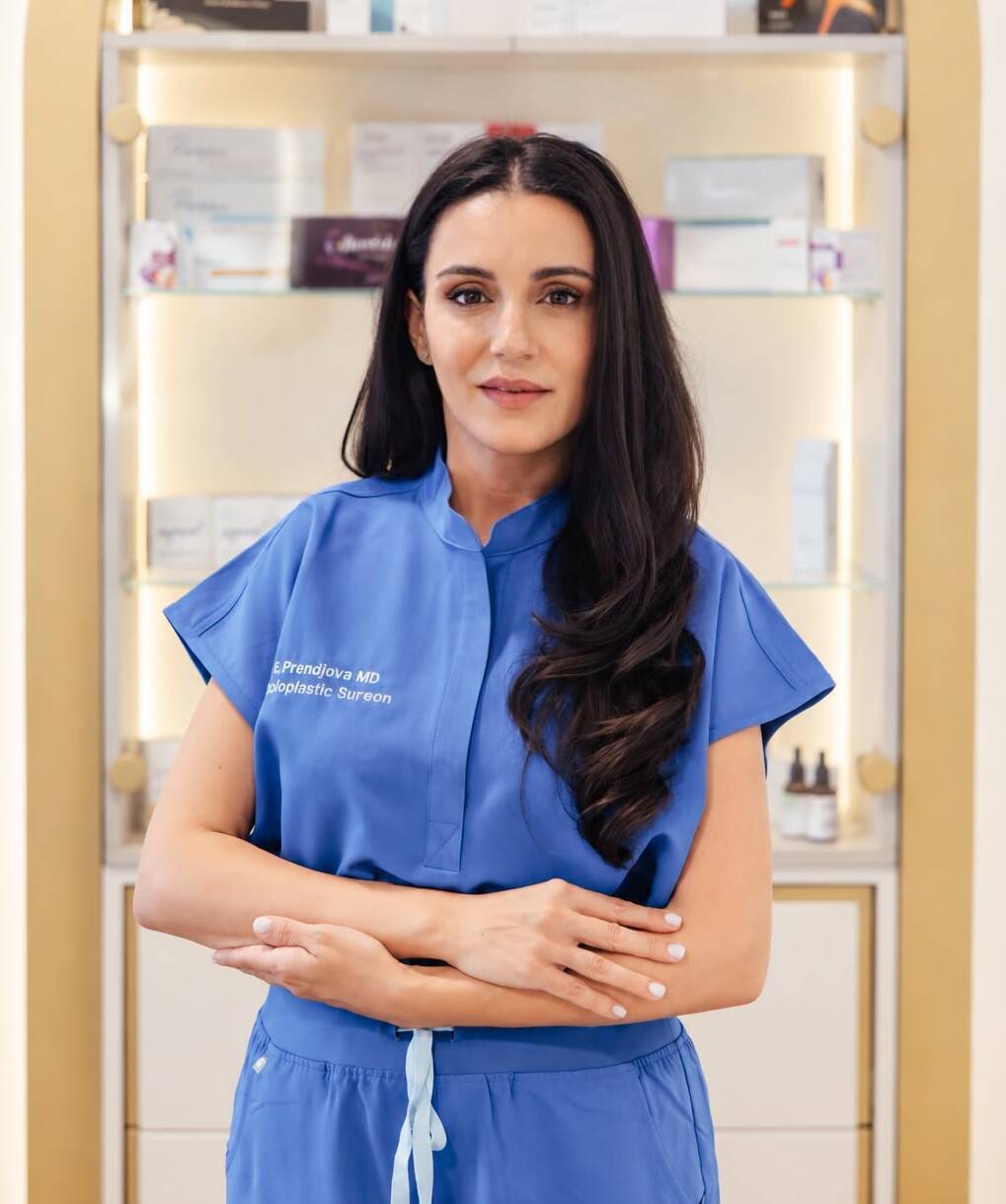
Specialist physician providing individual medical care with attention to safety, proportion and patient goals.
View Details →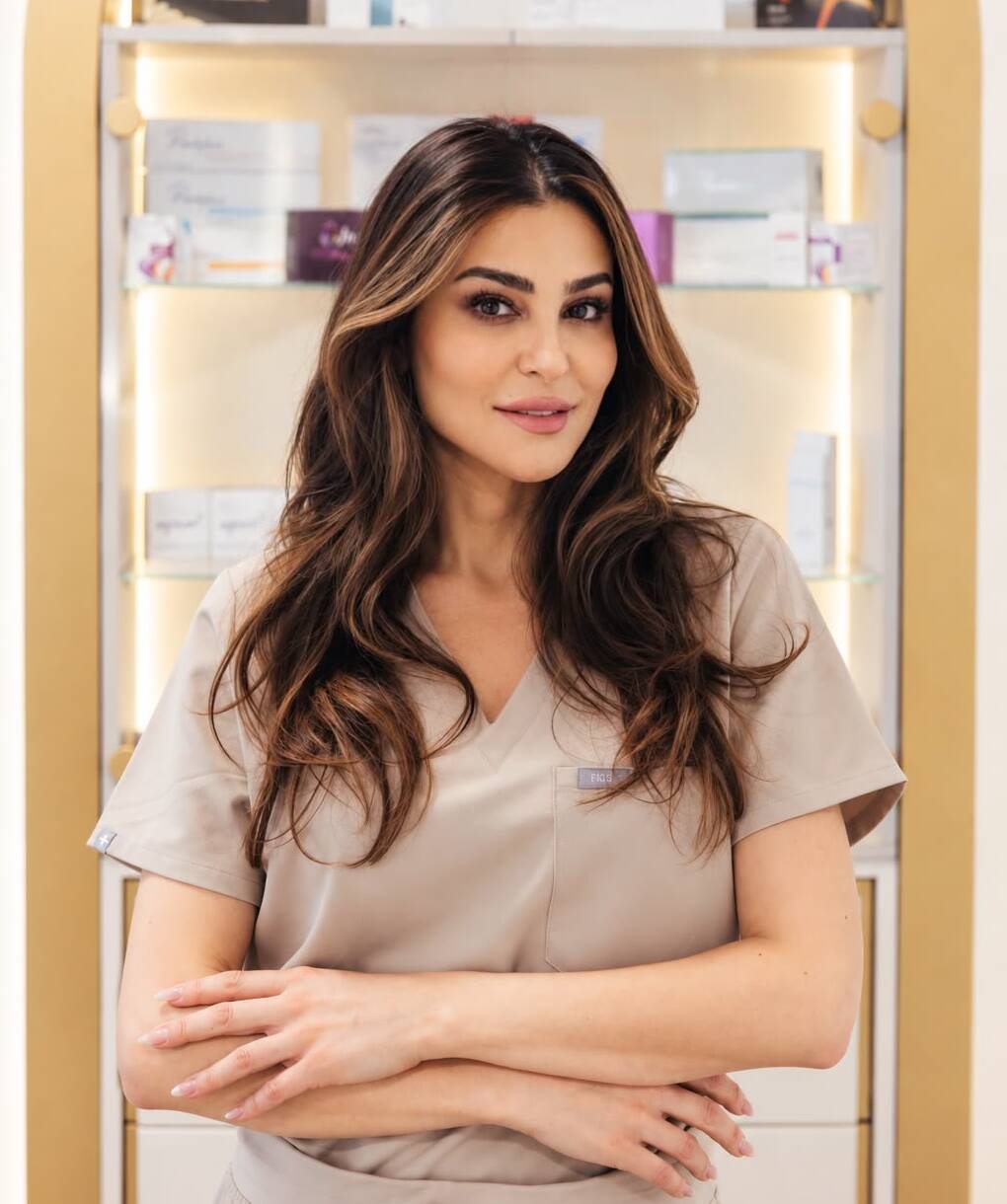
Head of Medical Cosmetics & Aesthetic Technologies with a focus on skin analysis, individual goals and long-term treatment planning.
View Details →Visit our private practice for aesthetic medicine in the heart of Munich. We take time for your questions and personal consultation.
Discover our clinic spaces.
Modern, discreet and designed with great attention to detail.