01
Muscle Analysis
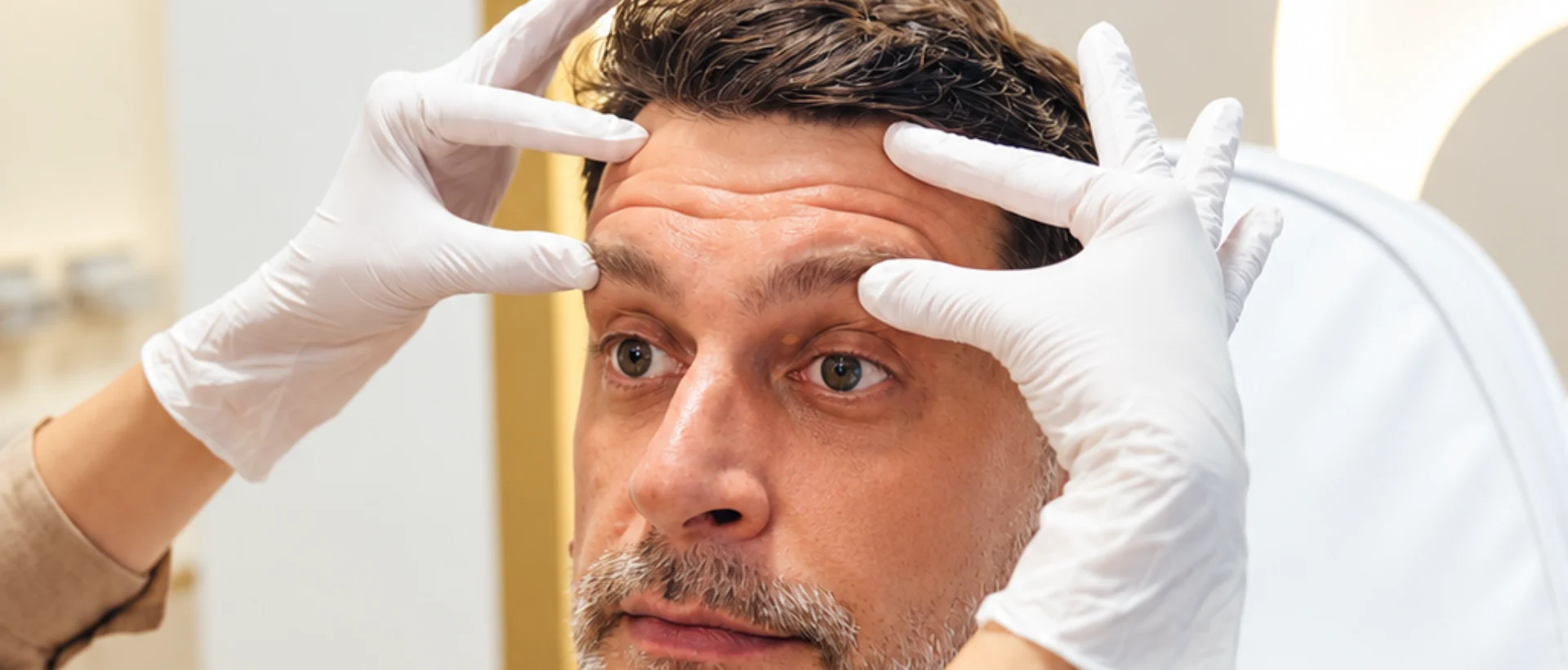
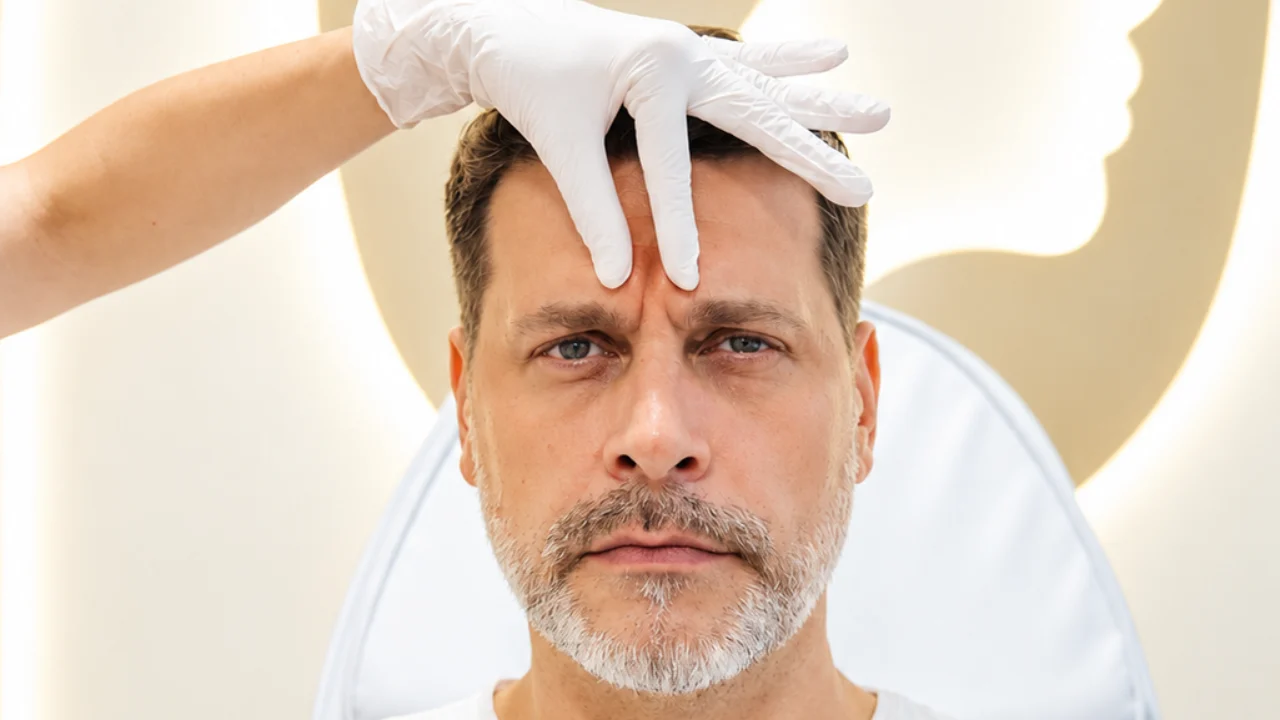
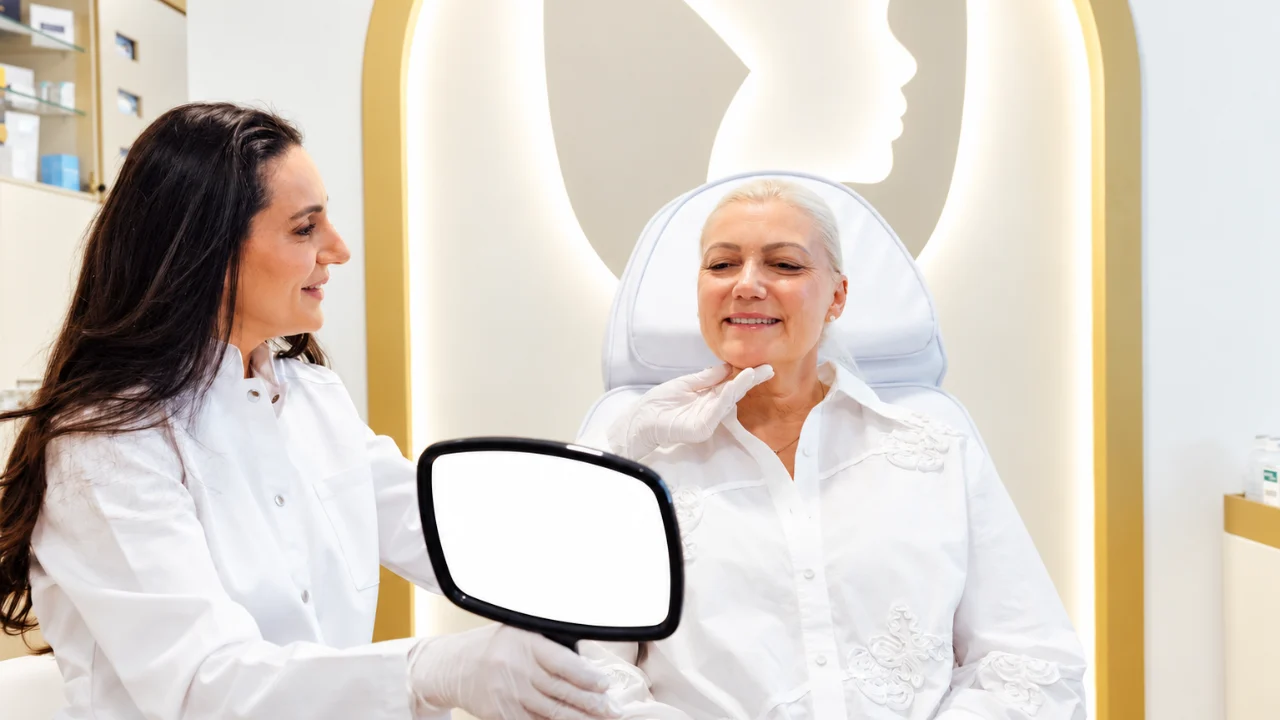
We examine the area between your brows at rest and when you frown fully. This helps us identify particularly active muscles and assess the depth of your lines.
NATURAL. SUBTLE. YOU.
Relax the muscles between your brows to soften pronounced frown lines.

A pronounced frown line often makes the face look tense. Botulinum toxin relaxes the muscles between the brows to soften this expression. The dose is tailored to your muscle strength so that the result looks natural when you make different facial expressions.
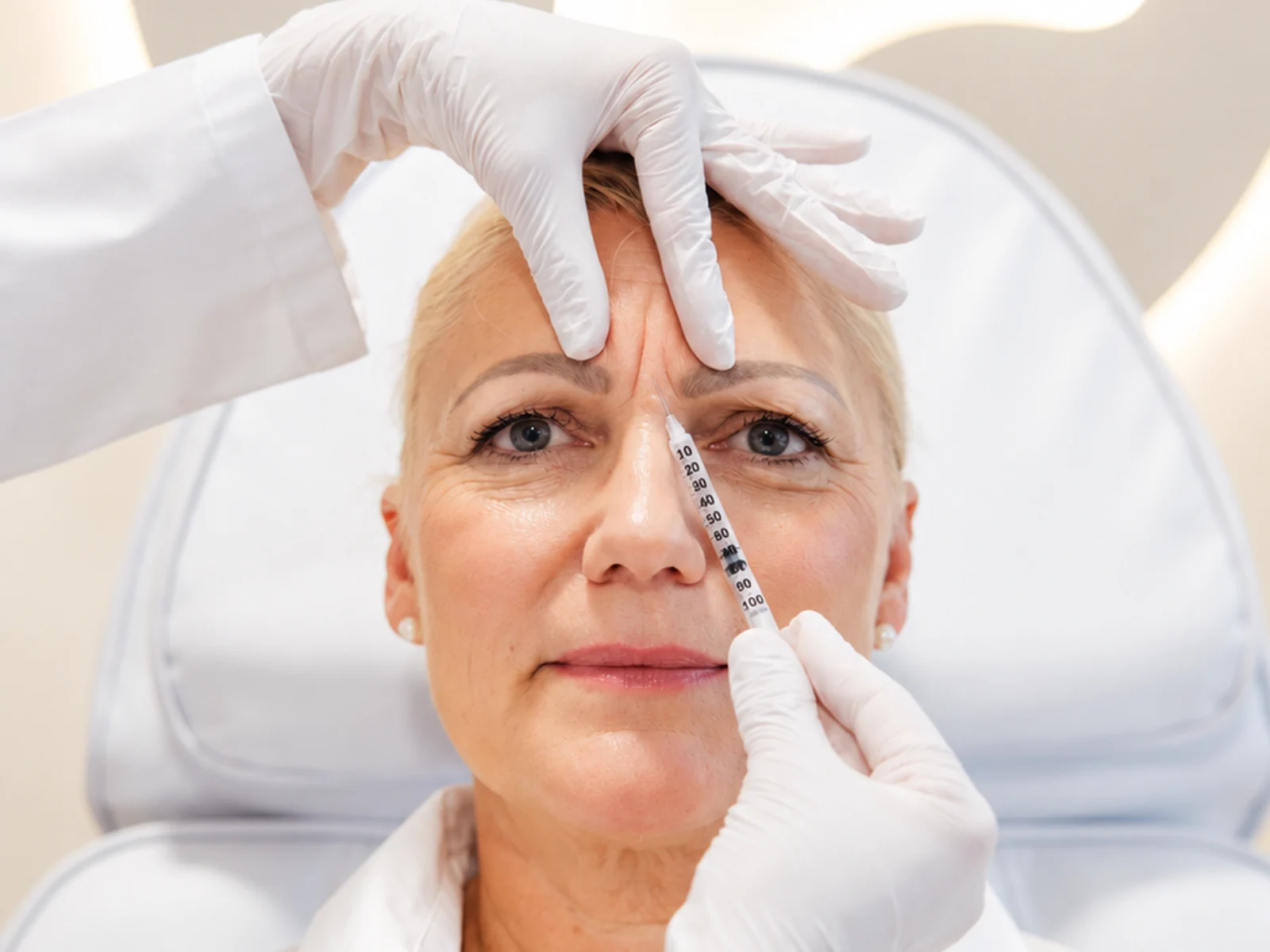
Frown lines develop through repeated muscle activity between the brows and may eventually remain visible at rest. Botulinum toxin selectively reduces this activity to soften vertical lines. This can help you look more relaxed and less stern, while preserving natural facial movement as far as possible.
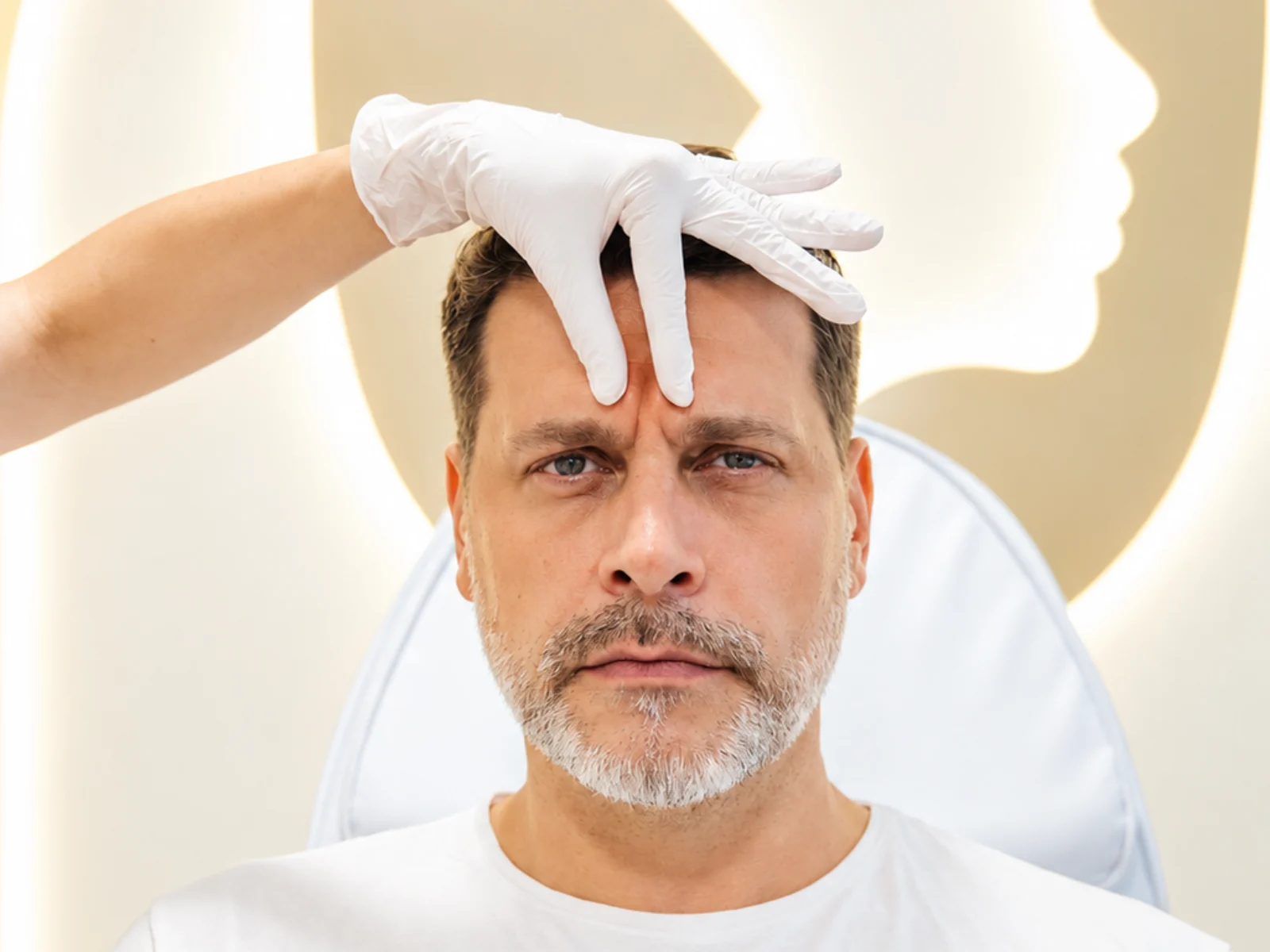
Treatment may be helpful for pronounced lines between the brows that appear during facial expressions or increasingly remain visible at rest. When lines are mainly caused by muscle activity, treatment can directly address their cause. For deeper, more pronounced lines, we assess what botulinum toxin can realistically achieve and whether additional treatment may help.

After a medical assessment, treatment is generally well tolerated. Botulinum toxin is prescription-only. We tailor doses and injection points to you and discuss potential risks and any reasons treatment may be unsuitable beforehand.
Frown line treatment is tailored to the strength of the muscles between your brows and the direction in which they pull.
We examine the area between your brows at rest and when you frown fully. This helps us identify particularly active muscles and assess the depth of your lines.
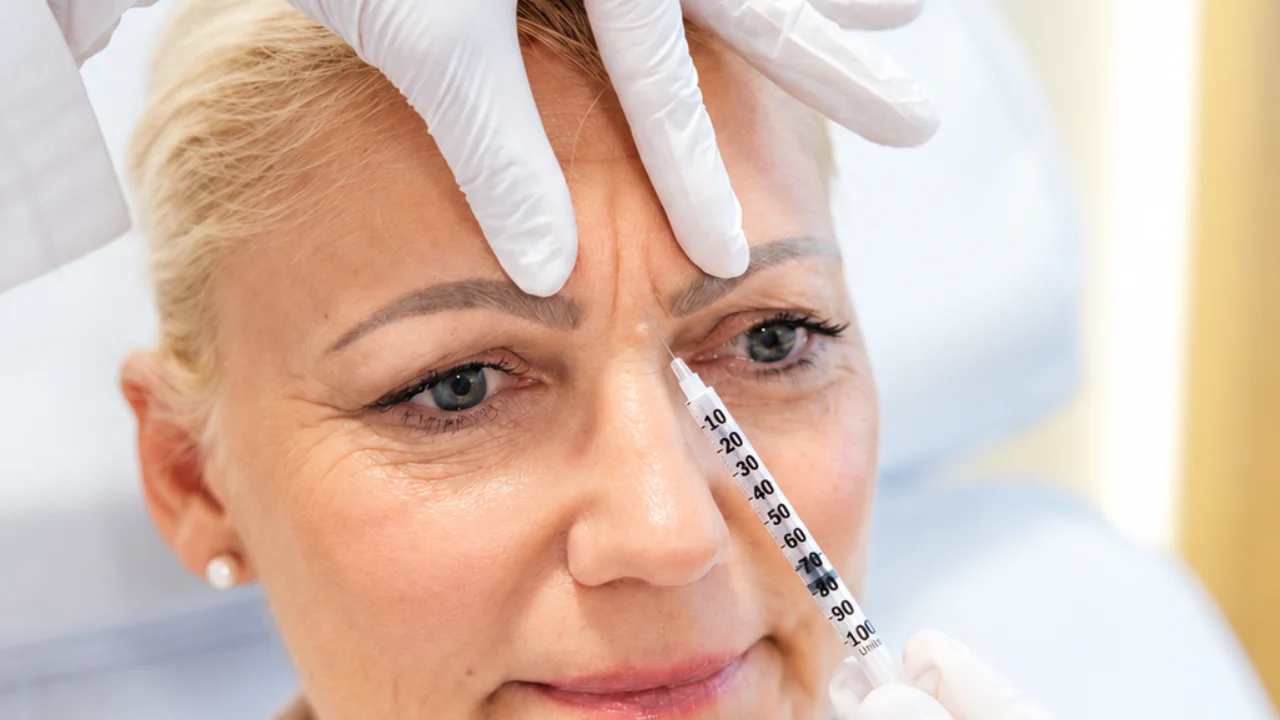
We select injection points and doses based on your muscle activity. We also consider brow shape, position and any differences between the two sides.
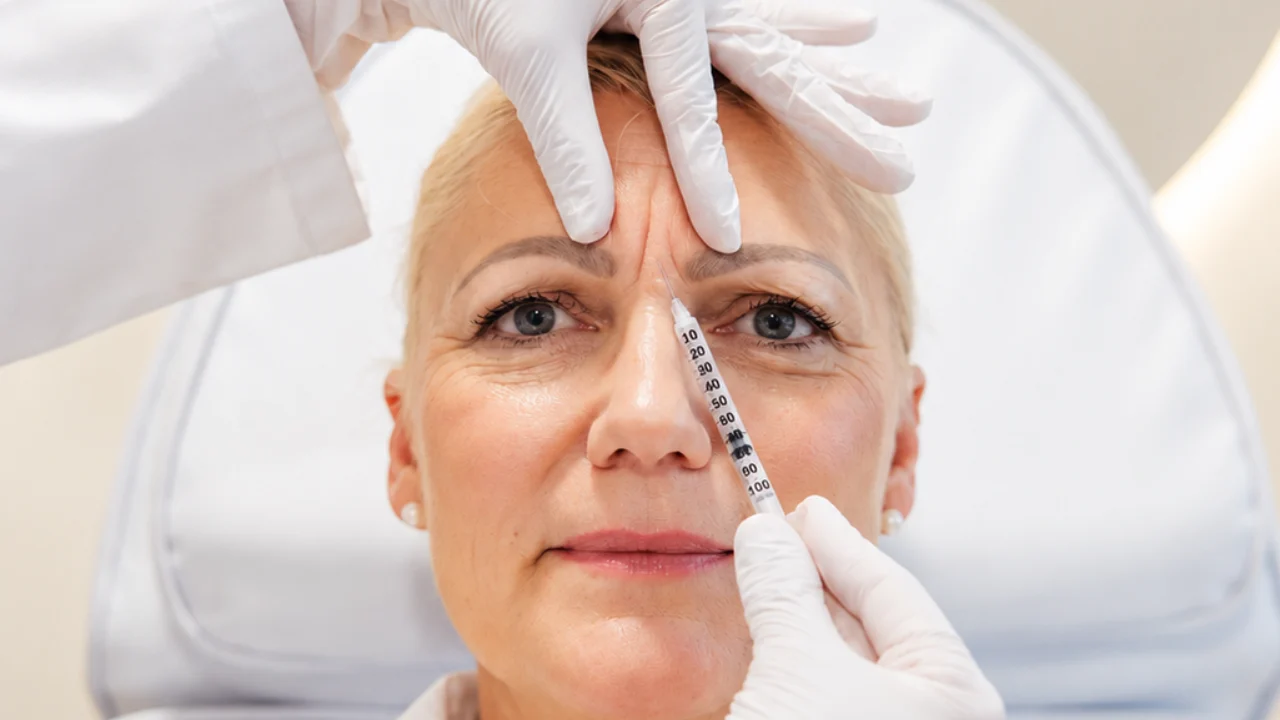
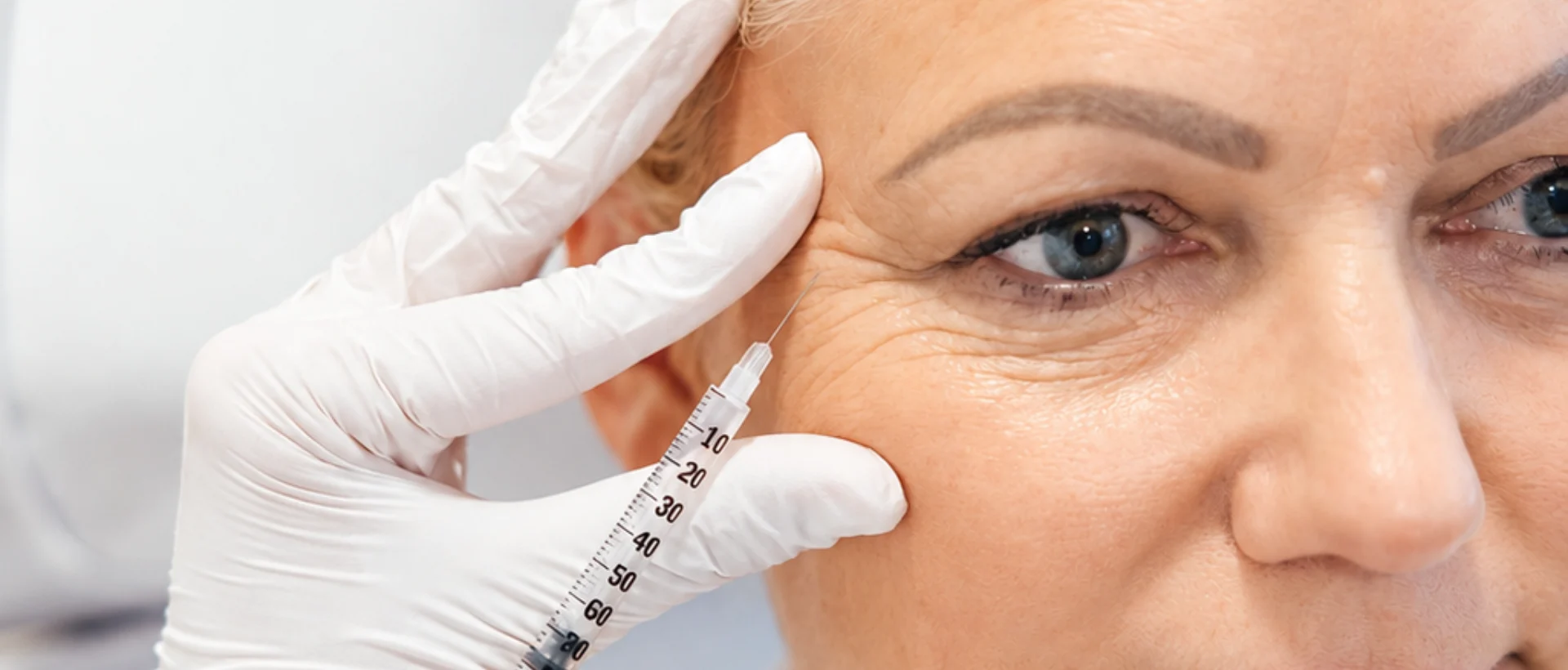
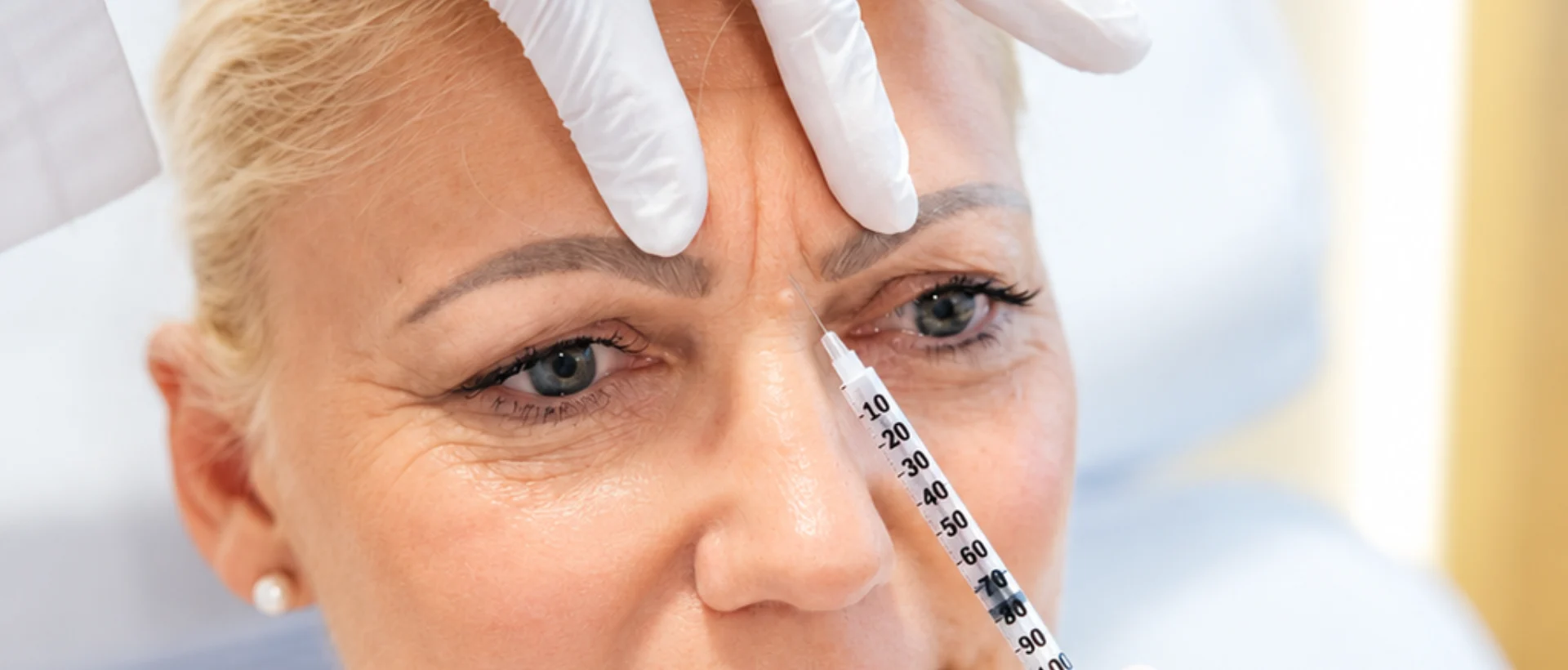
We use a fine needle to inject botulinum toxin precisely into selected muscles between the brows. Injections take only a few minutes.
After 10–14 days, we assess muscle activity and your frown lines. Only then can we reliably judge whether we have achieved the result you want or whether a small adjustment may help.
Tell us about relevant medical conditions, allergies, current medications and previous botulinum toxin treatment. Medicines that affect blood clotting are particularly important, but you must never stop prescribed medication without medical advice. Treatment should be postponed if there is inflammation or infection in the forehead or brow area.
Minor redness, swelling or pinpoint needle marks may appear immediately after injection and usually settle quickly. Initially avoid firm pressure or rubbing between the brows and follow your personalised aftercare advice.
Effects develop gradually over the first few days. Minor temporary differences may occur as muscles respond at different rates. We assess the final results after approximately 10–14 days. Effects usually last three to four months and then gradually diminish, although they may last longer in some people.
Download the key preparation and aftercare guidance as a PDF.
We agree on your treatment plan and confirm the cost during your consultation.
Prices may vary according to the dose required and combination of treatment areas.
Answers to your questions about treatment, results and aftercare.
Frown lines develop through repeated frowning. Botulinum toxin reduces activity in the muscles involved and softens vertical lines between the brows.
The appointment lasts 15–30 minutes. Initial changes are usually visible after 3–7 days. The final result is generally assessed after 10–14 days. Effects usually last around 3–4 months, although this varies from person to person.
Injections are usually only mildly painful, although experiences vary. Local anaesthesia is generally unnecessary but may be offered on request. Treatment usually causes no significant downtime. Small injection-site bumps or mild swelling may remain visible for a few hours, occasionally up to 1–2 days. Temporary redness, tenderness, small bruises, headache or tightness may occur.
This treatment may interest you if vertical lines between the brows make your face look more tense than you feel. Keep the area clean and initially avoid firm rubbing or pressure. Follow the advice provided on exercise, heat and further treatments. Contact the practice if you develop significant or unusual symptoms.
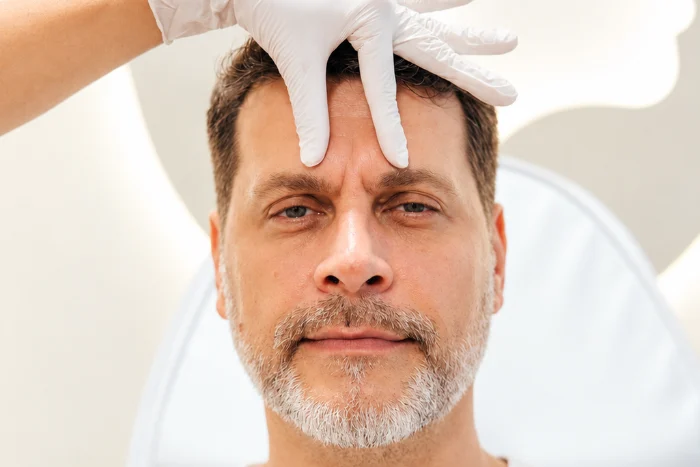
Usually no significant downtime
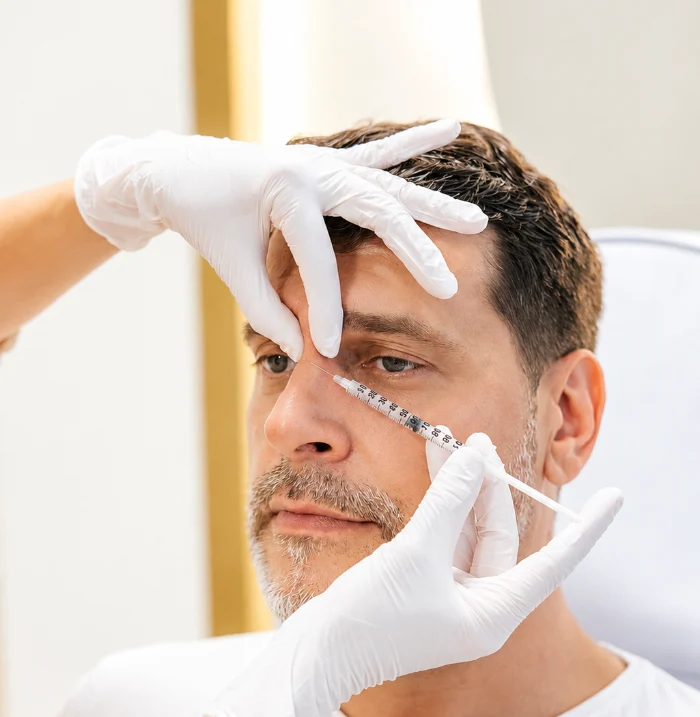
Temporary redness, tenderness, small bruises, headache or tightness may occur. These usually resolve on their own.
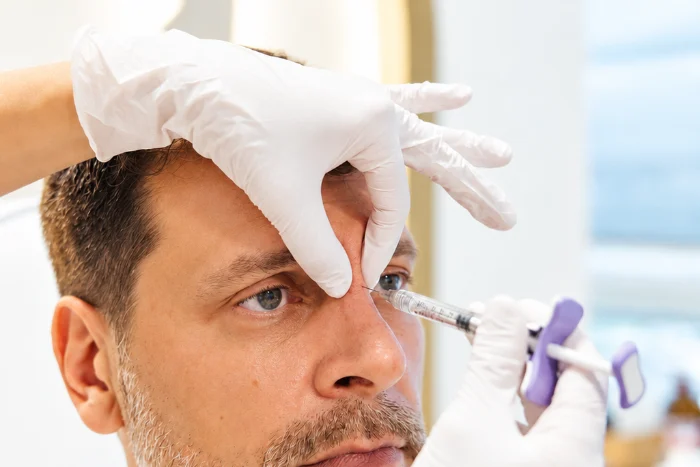
Treatment may be combined with fillers, injections to improve skin quality or laser treatment, provided each procedure is medically appropriate and the timing is carefully planned.

A pronounced frown line often makes the face look tense. Botulinum toxin relaxes the muscles between the brows to soften this expression. The dose is tailored to your muscle strength so that the result looks natural when you make different facial expressions.

During your consultation, we discuss your concerns, relevant medical history and suitable options. We explain what treatment involves, the potential risks and aftercare, and allow time for your questions. A 30-minute consultation costs From €75 Plus VAT.
A 30-minute consultation costs From €75 Plus VAT.
Book a consultation >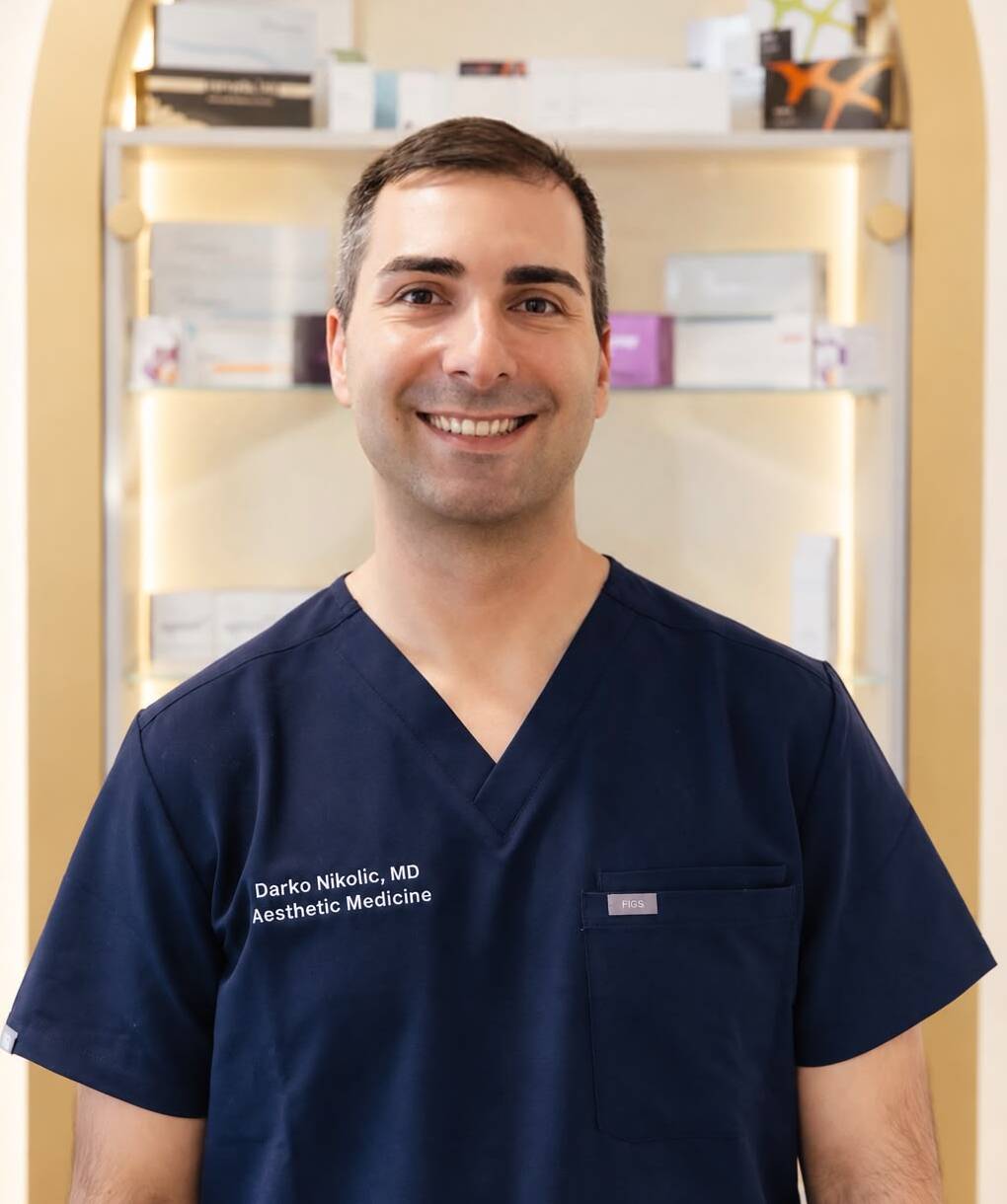
Specialist in anaesthesiology with a focus on aesthetic medicine and pain management.
View Details →
Specialist in ophthalmology with a focus on facial contouring and aesthetic eyelid treatments.
View Details →
Head of medical cosmetics and device-based aesthetic treatments, with a focus on skin analysis and personalised skincare.
View Details →Visit our private practice for a personal consultation. We take time to answer your questions.
Take a look inside our practice.
A modern, discreet practice where every detail is carefully considered.
How long the effects last depends on factors including the treatment area, dose, muscle activity, metabolism and individual response. Adequate zinc levels are important for many enzyme processes. Some studies have explored a possible link between zinc levels and the effects of botulinum toxin, but there is no clear scientific evidence to support routine zinc supplementation to prolong these effects. Supplements should therefore be considered individually with a doctor, particularly if a deficiency is known or suspected. Repeat treatments are planned according to your response, the reason for treatment and a medical assessment.