01
Headache Analysis
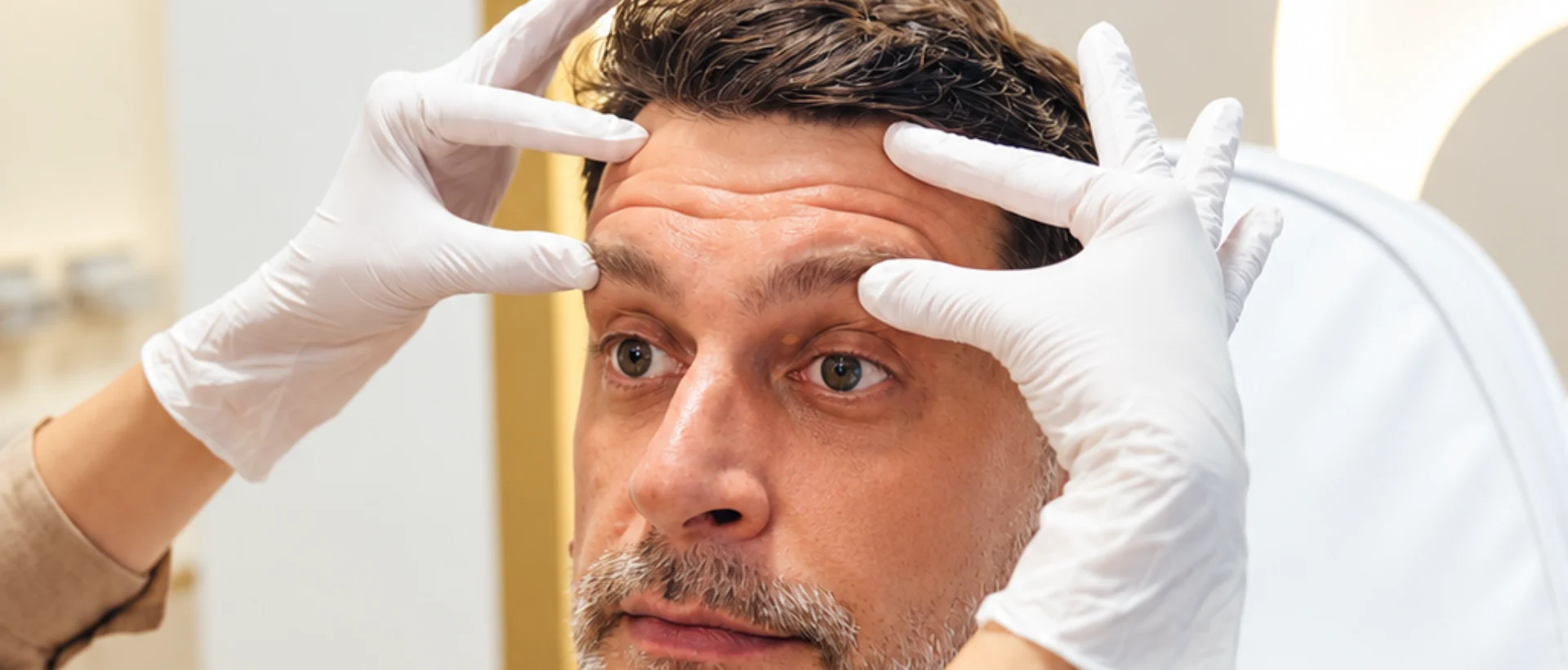
We discuss how often your headaches occur, their duration, location and characteristics, triggers and accompanying symptoms. We also review previous investigations, treatment and medication.

NATURAL. SUBTLE. YOU.
A medical assessment of your headaches and a treatment plan suited to your diagnosis.

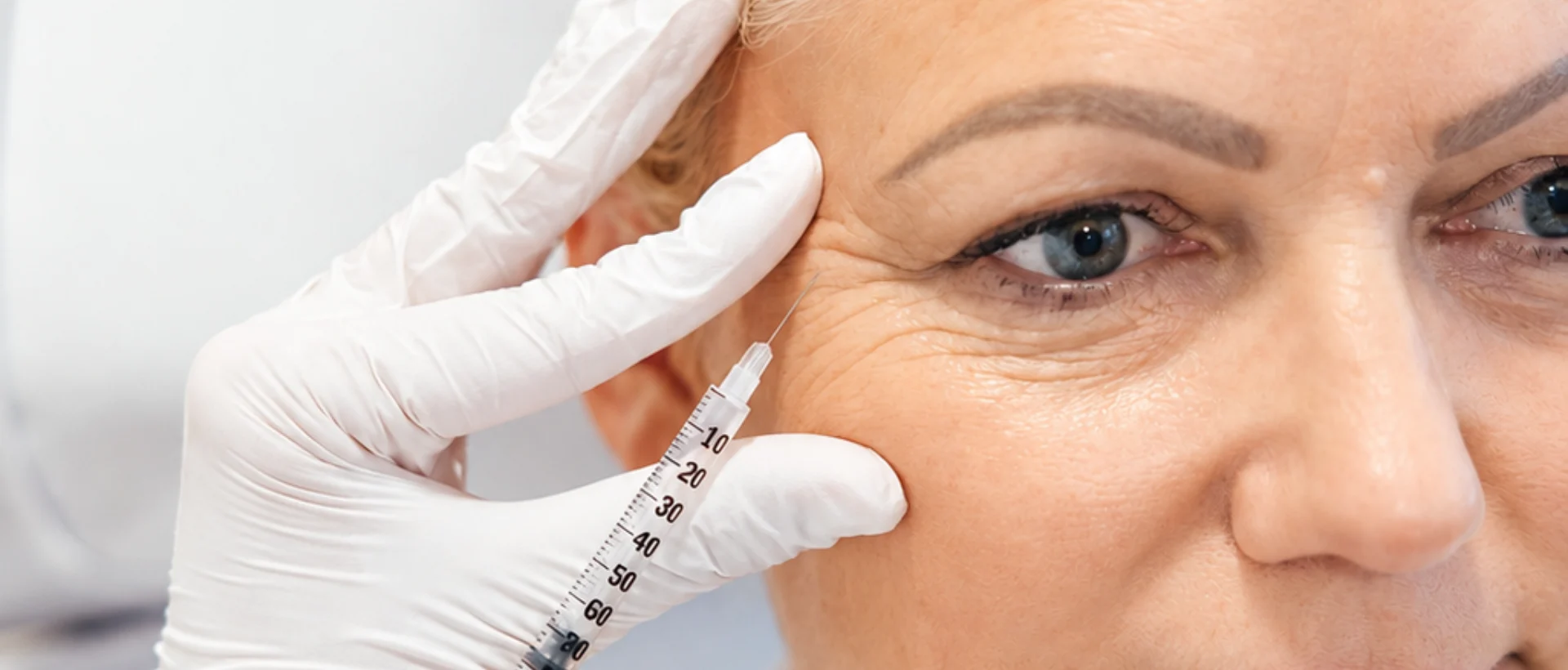
Headache Treatment Protocols with Botulinum Toxin Recurring headaches have many possible causes. We first assess how they have developed, where they occur, their triggers and any muscle involvement rather than starting with injections. Where increased muscle activity contributes and treatment is medically appropriate, botulinum toxin may form part of an individual plan.

Not every headache can be treated with botulinum toxin. If the assessment supports treatment, overactive muscles in the forehead, temples, back of the head, neck or shoulders may be treated to reduce activity and strain. Treatment areas are selected according to your symptoms and diagnosis.

Treatment may be suitable for recurring headaches that have been medically investigated and involve muscle-related factors, such as accompanying tension in the temples, back of the head, neck or shoulders. We first assess whether botulinum toxin is suitable for your type of headache. Chronic migraine treatment follows its own standard medical protocol.

We treat only after a medical diagnosis, taking into account the dose, treatment intervals, existing medical conditions and possible interactions.
The site of pain is not always the best place to treat. We first identify which structures are causing or worsening your symptoms.
We discuss how often your headaches occur, their duration, location and characteristics, triggers and accompanying symptoms. We also review previous investigations, treatment and medication.
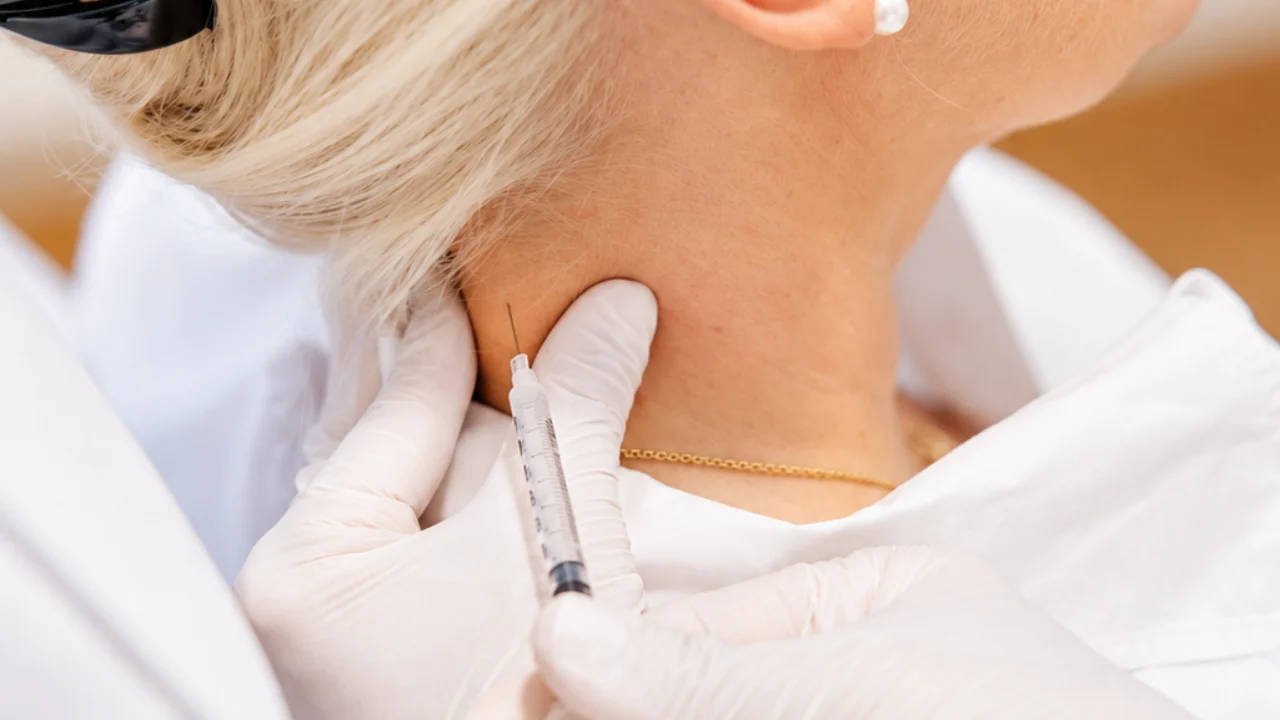
We use your symptoms and examination results to decide whether treatment is suitable and which muscles to treat. We then select injection points and doses based on your individual assessment.
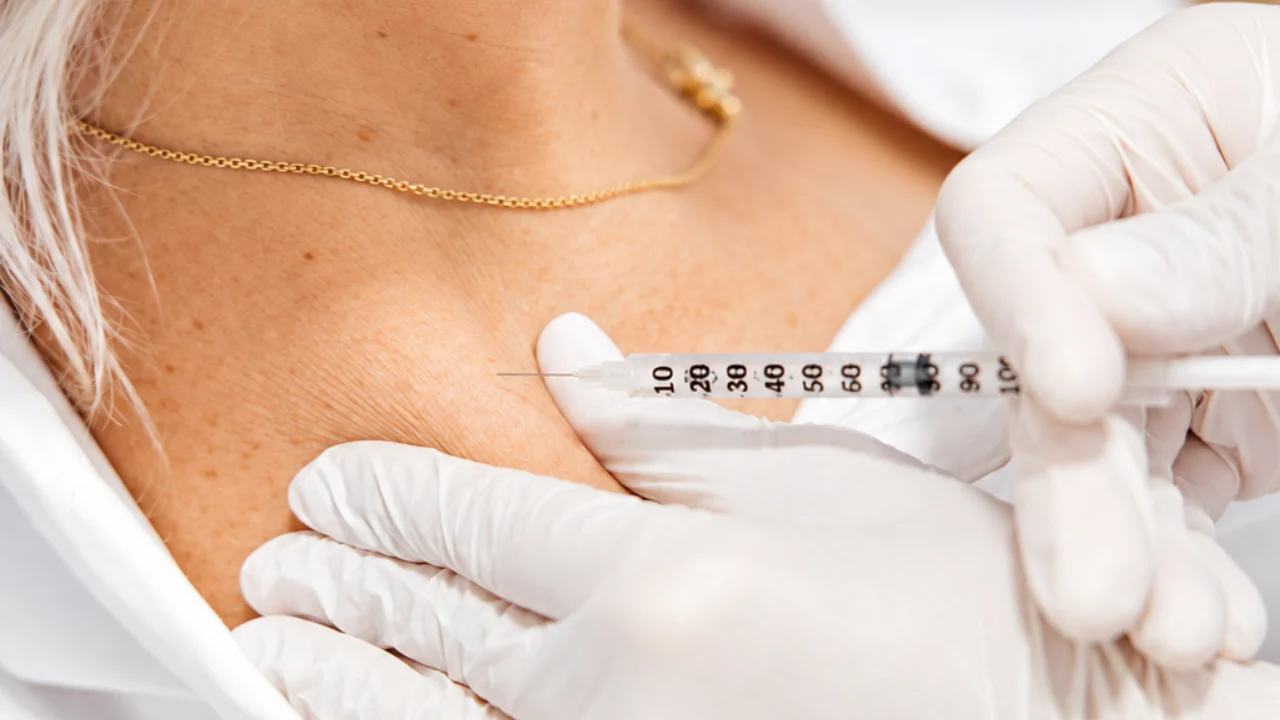
We use a fine needle to inject botulinum toxin into selected muscles contributing to your symptoms. We may treat different areas of the head, neck or shoulders, depending on what we find during your examination.

We assess changes in the symptoms that led you to seek treatment, including headache frequency, intensity and accompanying muscle tension, rather than muscle relaxation alone.
Tell us about any medical conditions, allergies, medication and previous botulinum toxin treatment, as well as headache investigations, treatments and painkillers taken regularly or as needed. Do not stop prescribed medication without medical advice.
Temporary redness, tenderness, swelling or bruising may occur. Treated areas may feel weaker or different from usual. Follow the advice provided and contact us if you develop significant or unusual symptoms.
Effects develop over days to weeks. We assess success through changes in your headaches and muscle-related symptoms. Your response and how long the effects last depend on the cause, muscles treated and dose. We plan repeat treatment only after reviewing your progress.
Download the key preparation and aftercare guidance as a PDF.
We select treatment areas and doses based on your diagnosis and examination results.
Prices may vary according to the dose and how much treatment is needed.
Answers to your questions about treatment, results and aftercare.
Medical headache care combines assessment with targeted treatment. Botulinum toxin is used for relevant overactive muscles when the medical assessment supports this approach.
The appointment lasts 20–45 minutes. Initial changes are usually apparent after 3–7 days. Full response is generally assessed after 2–4 weeks. Effects usually last around 3–6 months, although the response depends on the condition and dose.
Injections are usually only mildly painful, although experiences vary. Local anaesthesia is generally unnecessary but may be offered on request. Treatment usually causes no significant downtime. Small injection-site bumps or mild swelling may remain visible for a few hours, occasionally up to 1–2 days. Temporary redness, tenderness, small bruises, headache or tightness may occur.
If you have recurring headaches whose cause has been investigated, we discuss whether targeted muscle treatment would help. Keep the area clean and initially avoid firm rubbing or pressure. Follow the advice provided on exercise, heat and further treatment. Contact the practice if you develop significant or unusual symptoms.

Usually no significant downtime

Temporary redness, tenderness, small bruises, headache or tightness may occur. These usually resolve on their own.

Depending on the diagnosis, botulinum toxin may form part of a broader treatment plan. This may include neurological care, existing medication and, for muscle-related factors, physiotherapy, physical medicine and targeted exercises. We choose the combination based on your diagnosis and examination results.

We establish your headache type and the contribution of muscle activity before deciding whether to use botulinum toxin and which muscles to treat. Treatment is tailored to your symptoms rather than following a fixed injection pattern.

During your consultation, we review your headaches, investigations and treatments in detail. We then assess muscle-related factors and whether botulinum toxin is suitable. A 30-minute consultation costs From €75 Plus VAT.
A 30-minute consultation costs From €75 Plus VAT.
Book a consultation >
Specialist in anaesthesiology with a focus on aesthetic medicine and pain management.
View Details →
Specialist in ophthalmology with a focus on facial contouring and aesthetic eyelid treatments.
View Details →
Head of medical cosmetics and device-based aesthetic treatments, with a focus on skin analysis and personalised skincare.
View Details →Visit our private practice for a personal consultation. We take time to answer your questions.
Take a look inside our practice.
A modern, discreet practice where every detail is carefully considered.
How long the effects last depends on factors including the treatment area, dose, muscle activity, metabolism and individual response. Adequate zinc levels are important for many enzyme processes. Some studies have explored a possible link between zinc levels and the effects of botulinum toxin, but there is no clear scientific evidence to support routine zinc supplementation to prolong these effects. Supplements should therefore be considered individually with a doctor, particularly if a deficiency is known or suspected. Repeat treatments are planned according to your response, the reason for treatment and a medical assessment.