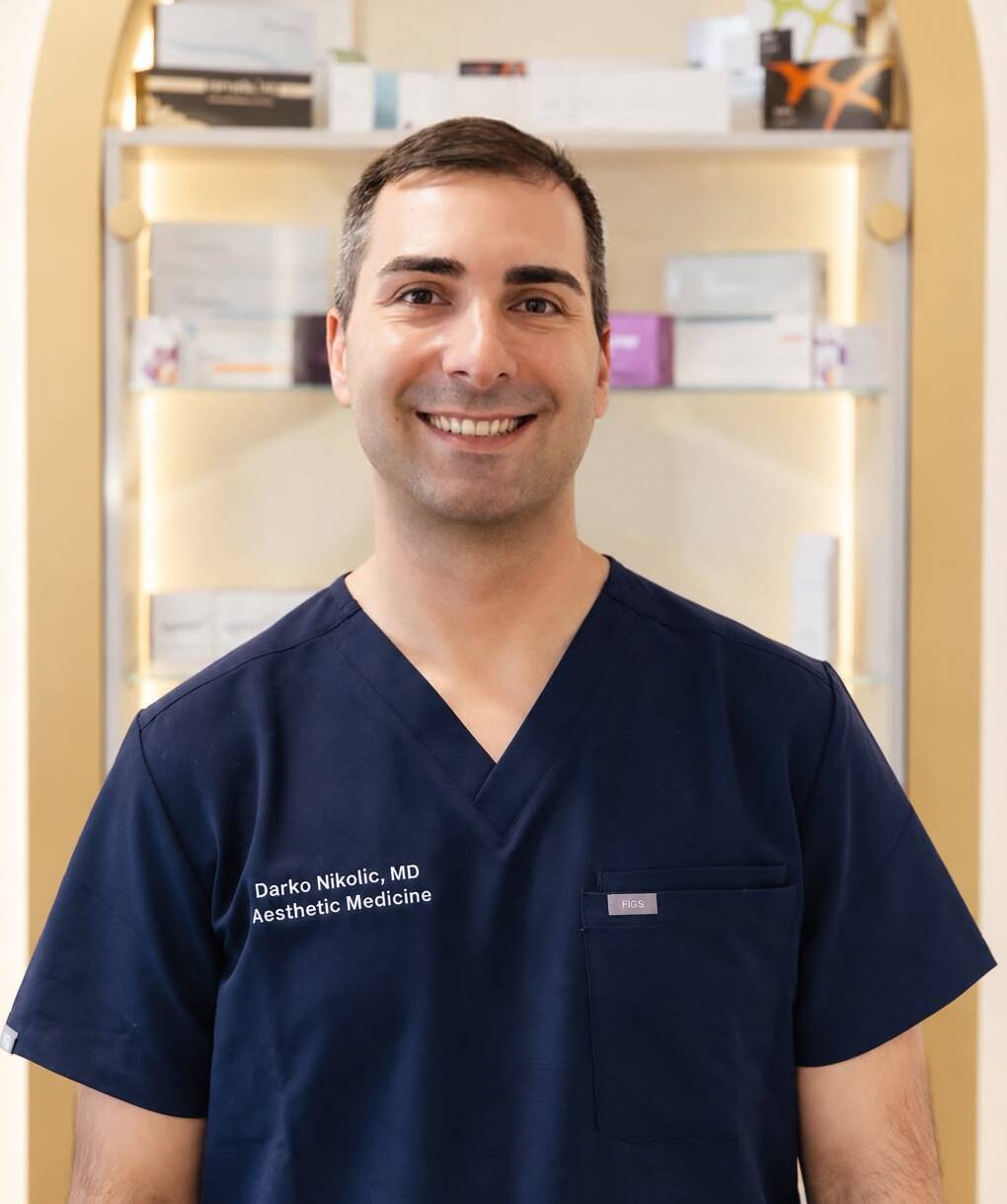
Aesthetic medicine
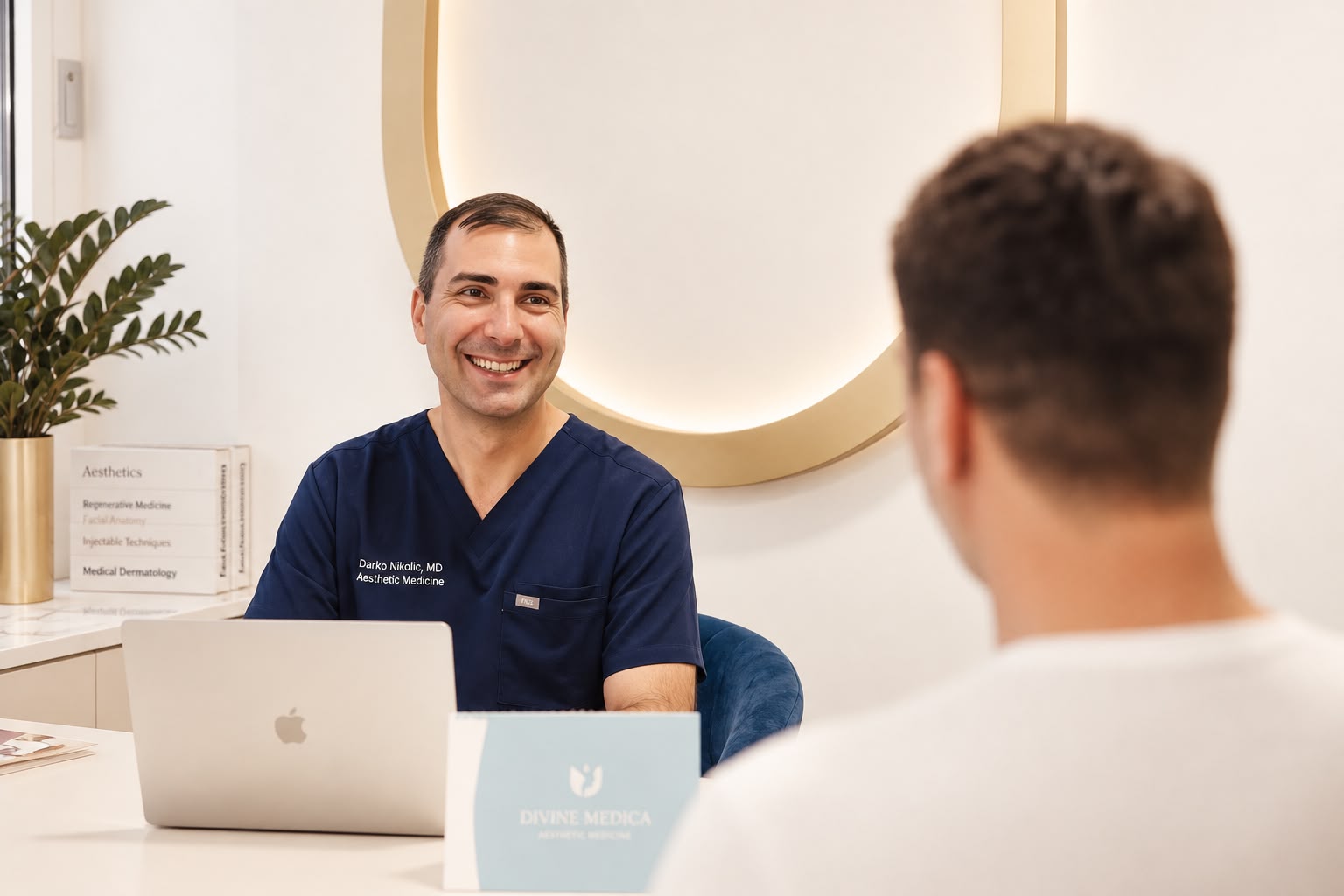
Dr. med. Darko Nikolic
Specialist physician focused on personal consultation, medical responsibility and balanced treatment planning.
View Details →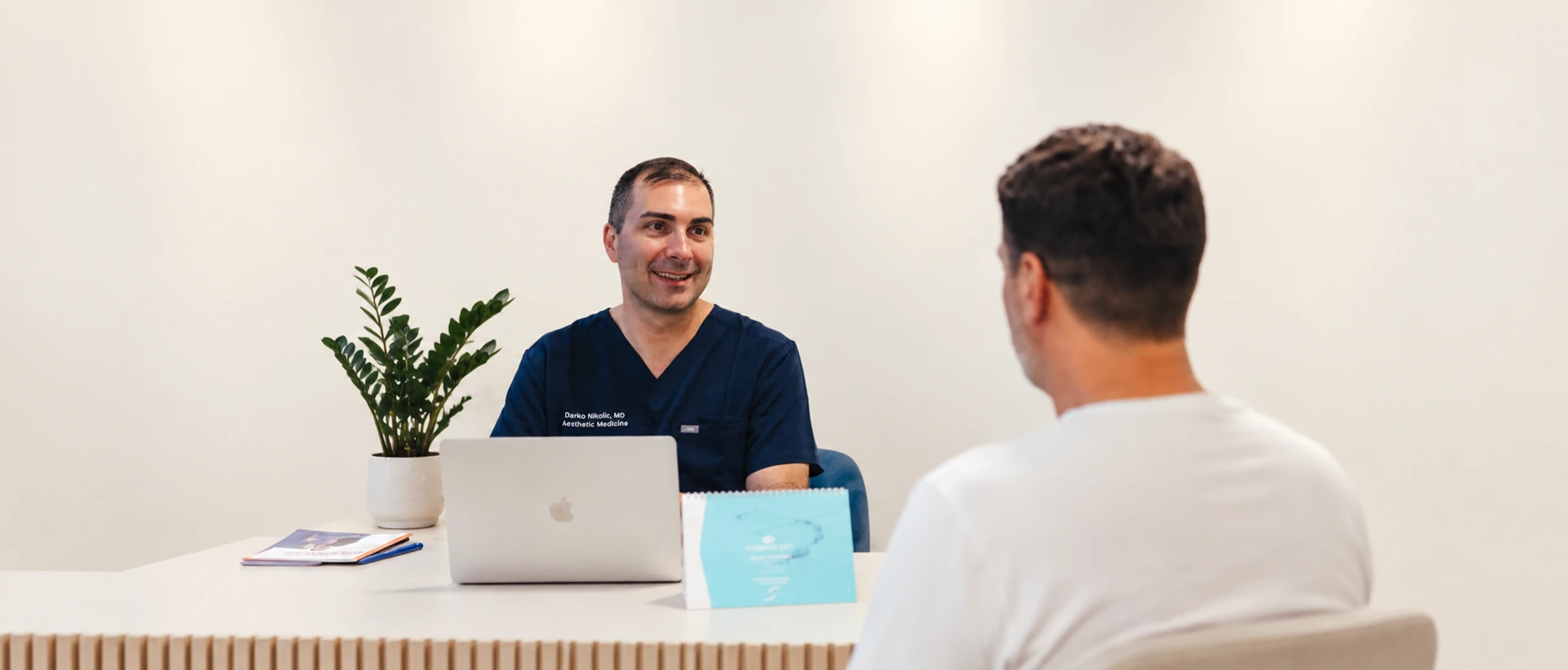
Skin & Laser
Visible or bothersome skin lesions require a diagnosis first. Suitable lesions can then be removed in a targeted way.
CO₂ laser can be used to remove selected superficial skin lesions in a controlled way. A medical examination first determines the type and depth of the lesion. If tissue sampling may be required, this is considered before complete laser removal.
Make an Appointment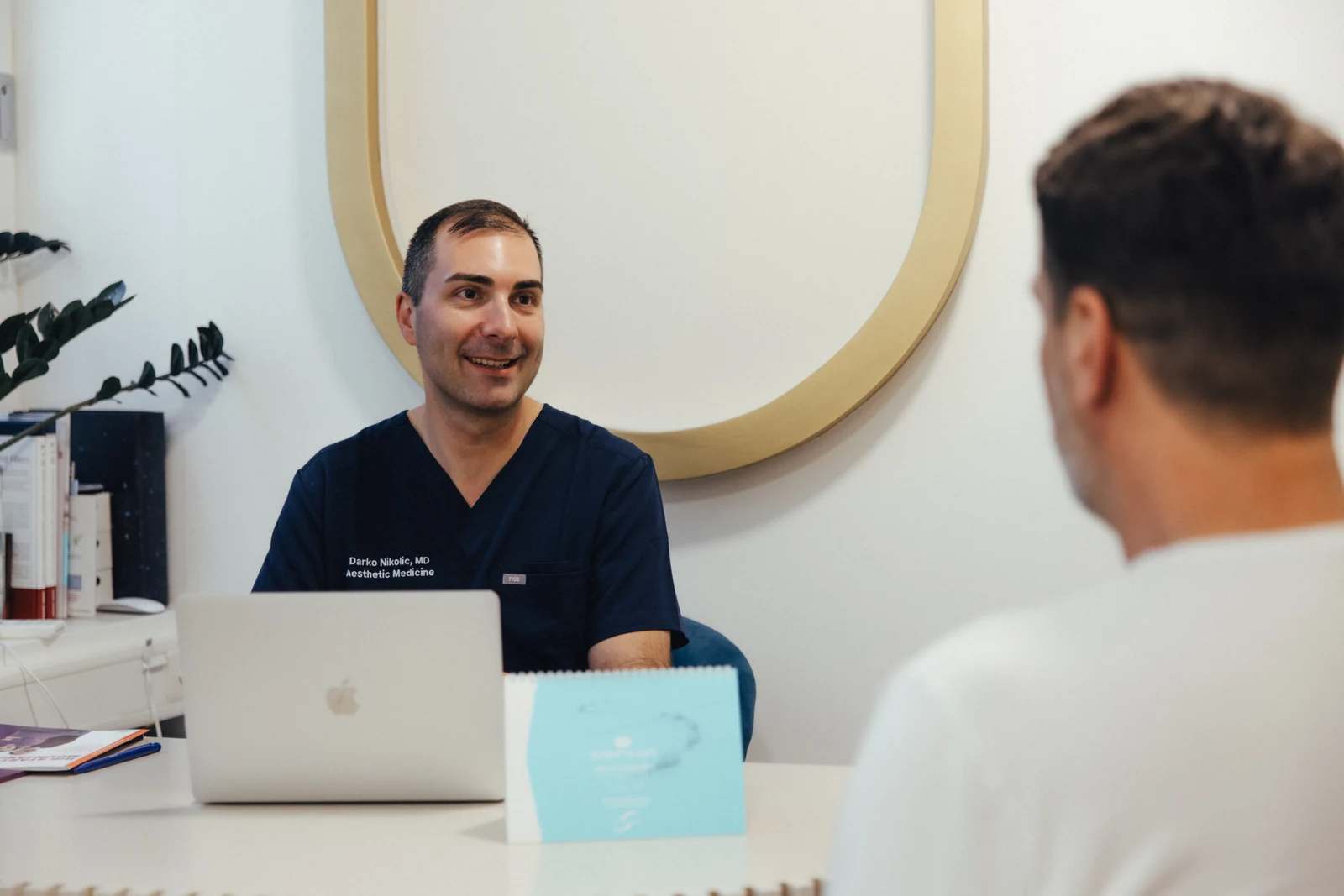
CO₂ laser can be used to remove selected superficial skin lesions in a controlled way. A medical examination first determines the type and depth of the lesion. If tissue sampling may be required, this is considered before complete laser removal.
Suitable warts, skin tags, certain keratoses and xanthelasma may be treated after diagnostic assessment. Size, depth and location determine the method used.
After removal, the area heals like a small wound. The result is assessed after the wound has closed and the scar has had time to mature. Residual tissue or recurrent lesions may require reassessment and further treatment.
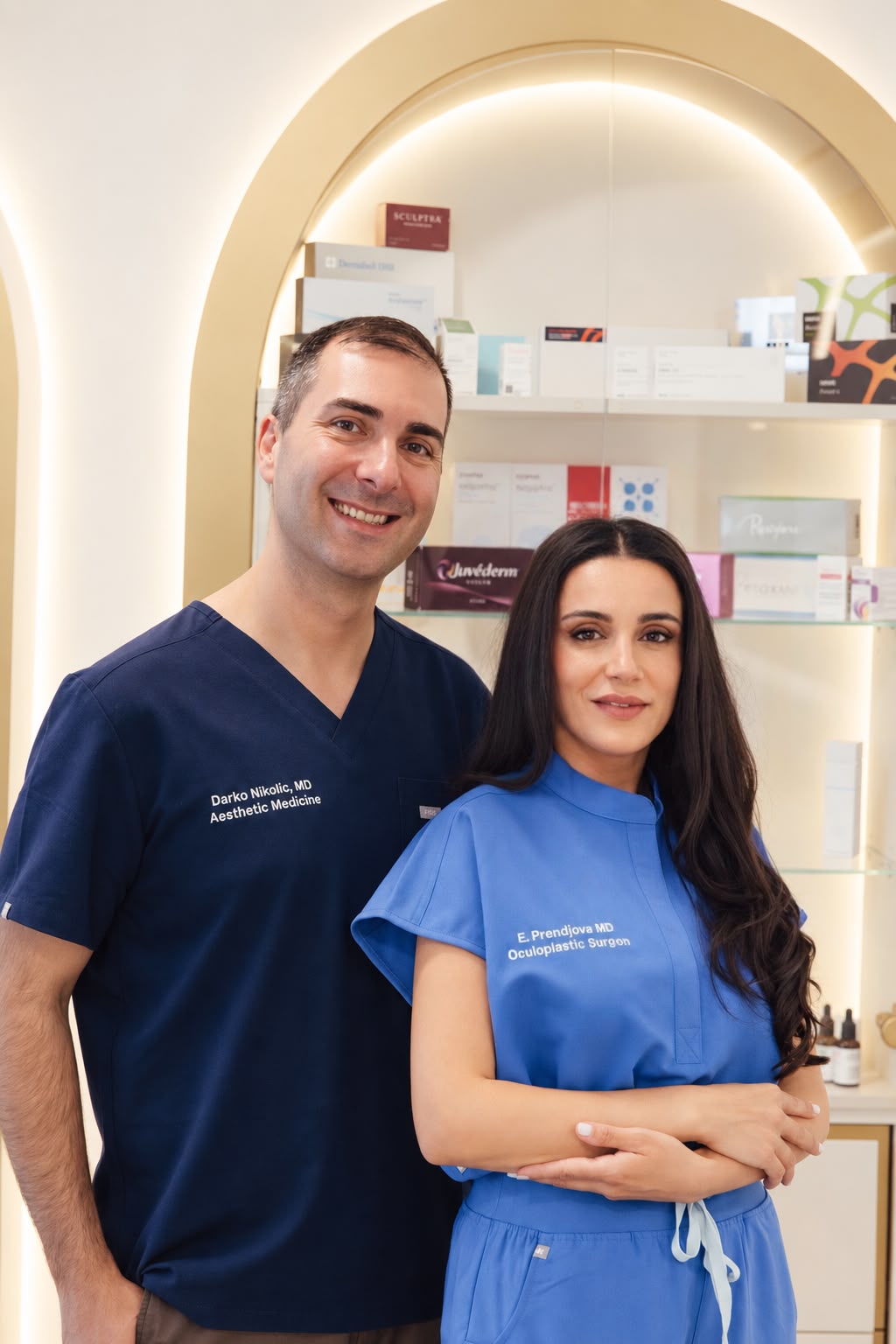
DIVINE Medica stands for specialist-led aesthetic medicine in the heart of Munich. Our doctors combine medical expertise with individual consultation and carefully selected treatments for the face, skin and body.
Every treatment is individually tailored to your anatomy, your wishes and your clinical findings. Our aim is to preserve and support your natural appearance without changing your individual facial features.
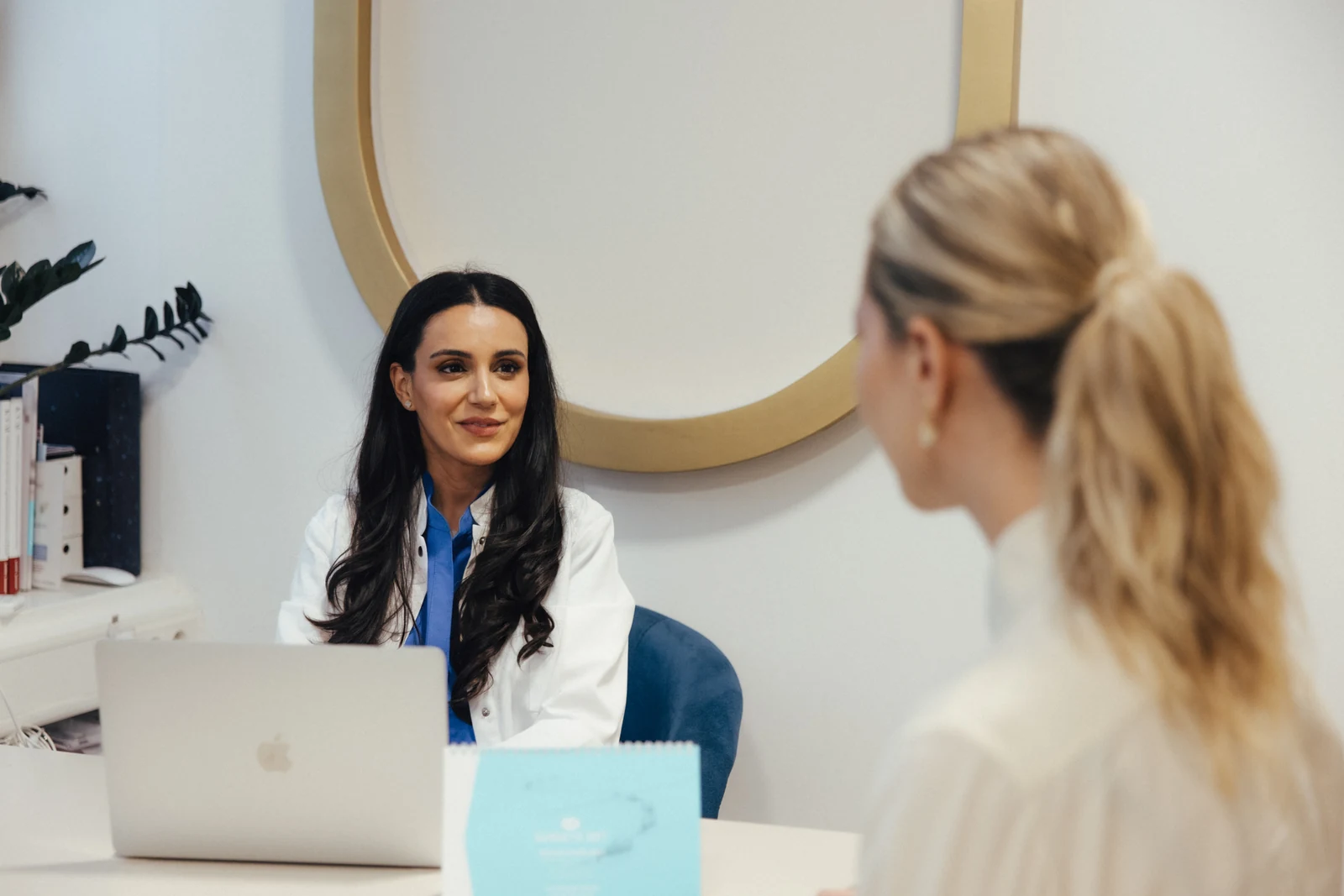
Meet our specialist doctors →Specialist physician focused on personal consultation, medical responsibility and balanced treatment planning.
View Details →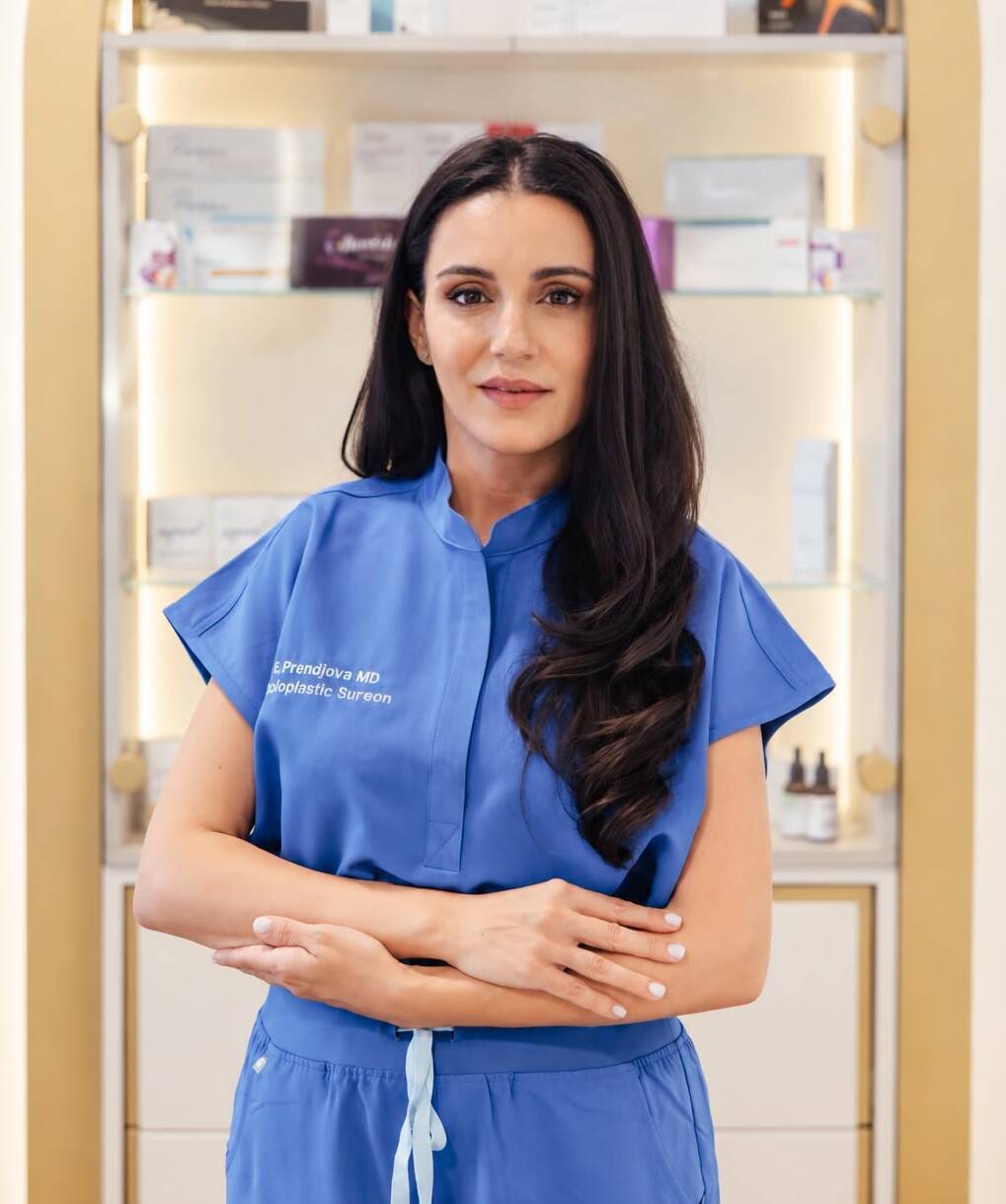
Specialist physician providing individual medical care with attention to safety, proportion and patient goals.
View Details →
Head of Medical Cosmetics & Aesthetic Technologies with a focus on skin analysis, individual goals and long-term treatment planning.
View Details →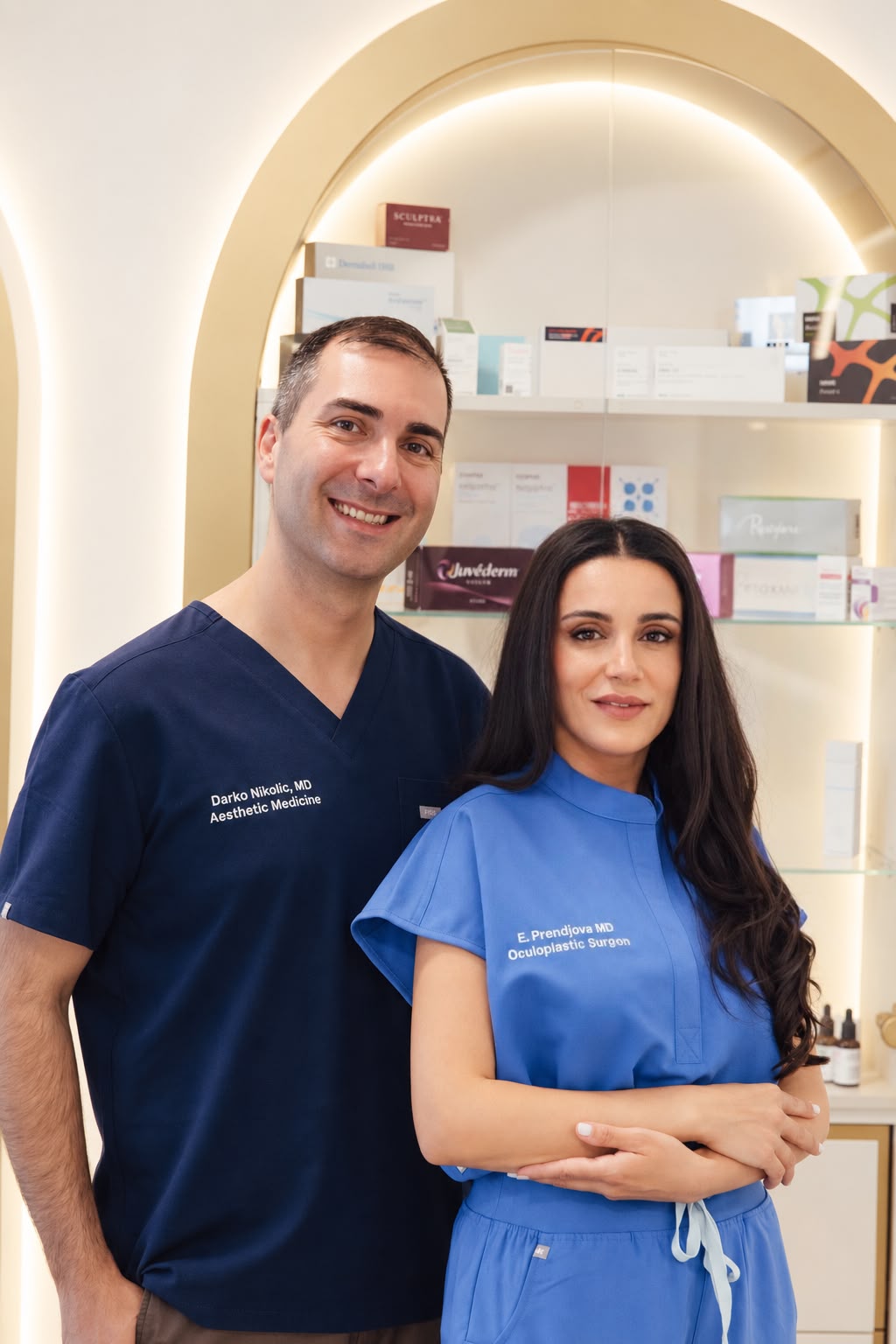

“I'm extremely happy with my results! I went for lip fillers together with a few of my friends, and we all loved the outcome.”

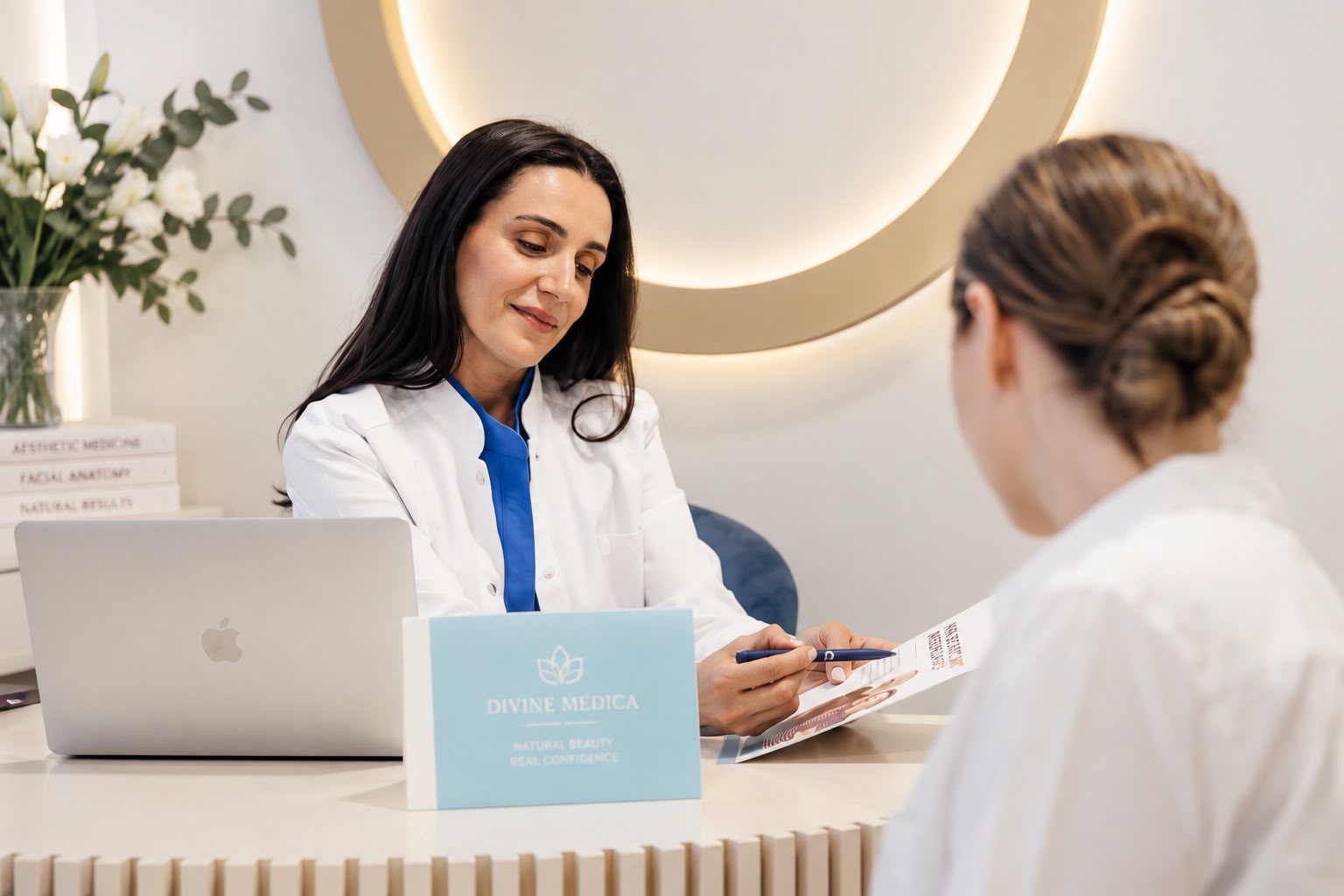
Temporary tenderness or minor bleeding may occur during removal. Infection, delayed healing, scarring, pigment changes and damage to surrounding tissue are separate risks. Eye protection and smoke evacuation are part of laser treatment. Because fully ablated tissue can no longer be examined histologically, the diagnosis is clarified beforehand.
Answers to your questions about the treatment process and aftercare.
Suitable warts, skin tags, certain keratoses and xanthelasma may be treated after diagnostic assessment. Size, depth and location determine the method used.
After removal, the area heals like a small wound. The result is assessed after the wound has closed and the scar has had time to mature. Residual tissue or recurrent lesions may require reassessment and further treatment.
During healing, the treated area may initially remain open or develop a crust. Redness can persist after the wound has closed, with the skin tone gradually settling over time.
CO₂ laser can be used to remove selected superficial skin lesions in a controlled way. A medical examination first determines the type and depth of the lesion. If tissue sampling may be required, this is considered before complete laser removal.