01
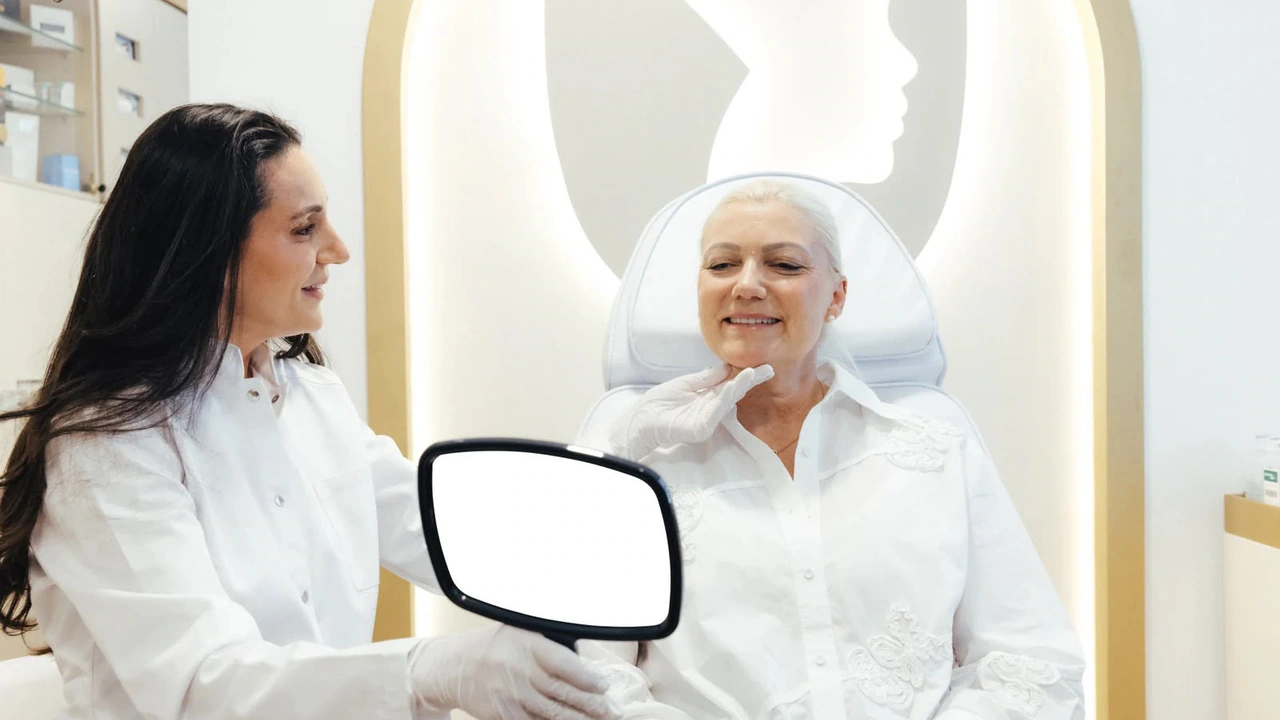
Initial consultation
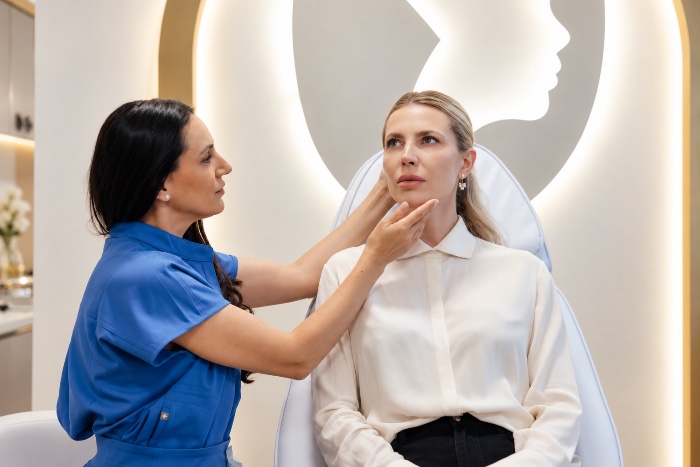
We examine your eyelids and eyes, review your health and medicines, and discuss the treatment options.

NATURAL. SUBTLE. YOU.
Get a clear assessment of an eyelid change and the care it needs.
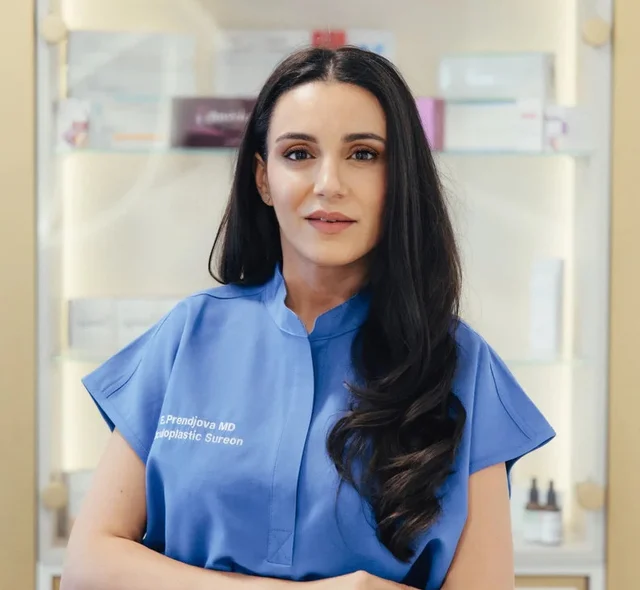
A new lump, mark or change on the eyelid deserves a clear explanation. Specialist examination looks at the lesion and any effect on eye comfort or vision, then sets out whether monitoring, further tests, biopsy or treatment is the right next step in your care.
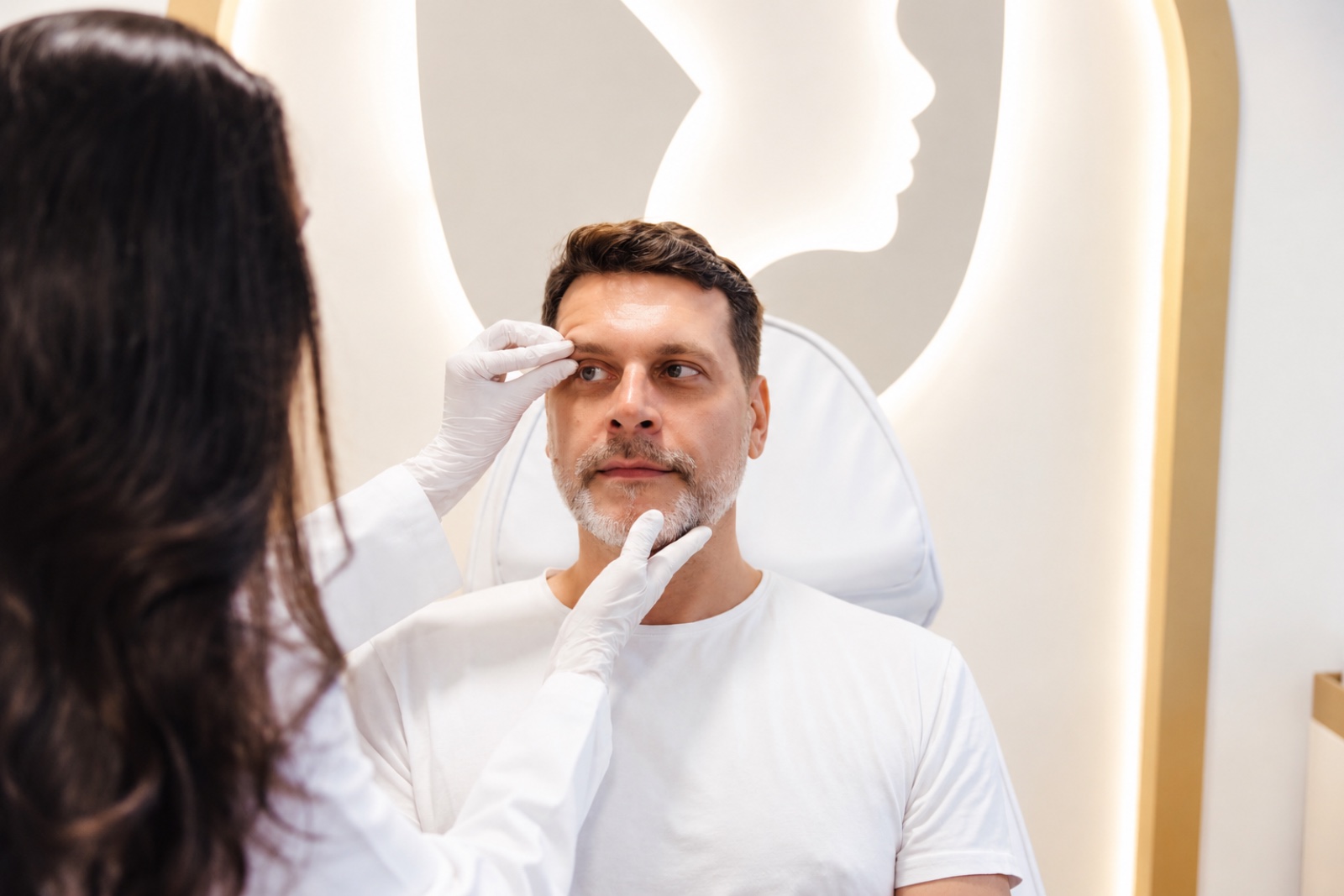
An eyelid lesion assessment examines a lump, mark or other change and its effect on the eye. The clinician uses the findings to plan monitoring, further tests, a biopsy or treatment of the area.
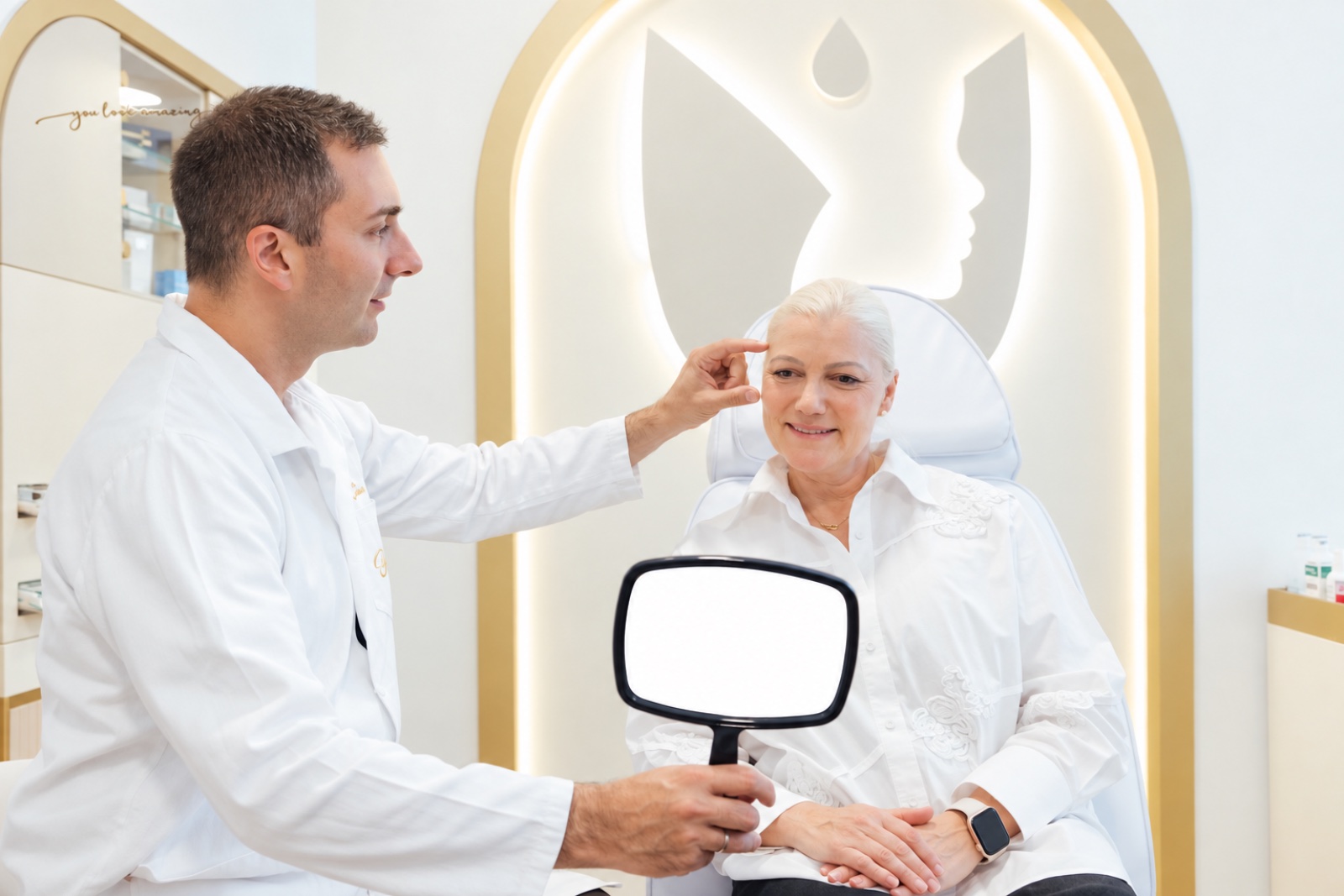
Arrange an evaluation for a new, changing, persistent or bleeding eyelid lesion, especially if it affects eye comfort or vision. The findings guide whether monitoring, tests or treatment are needed.
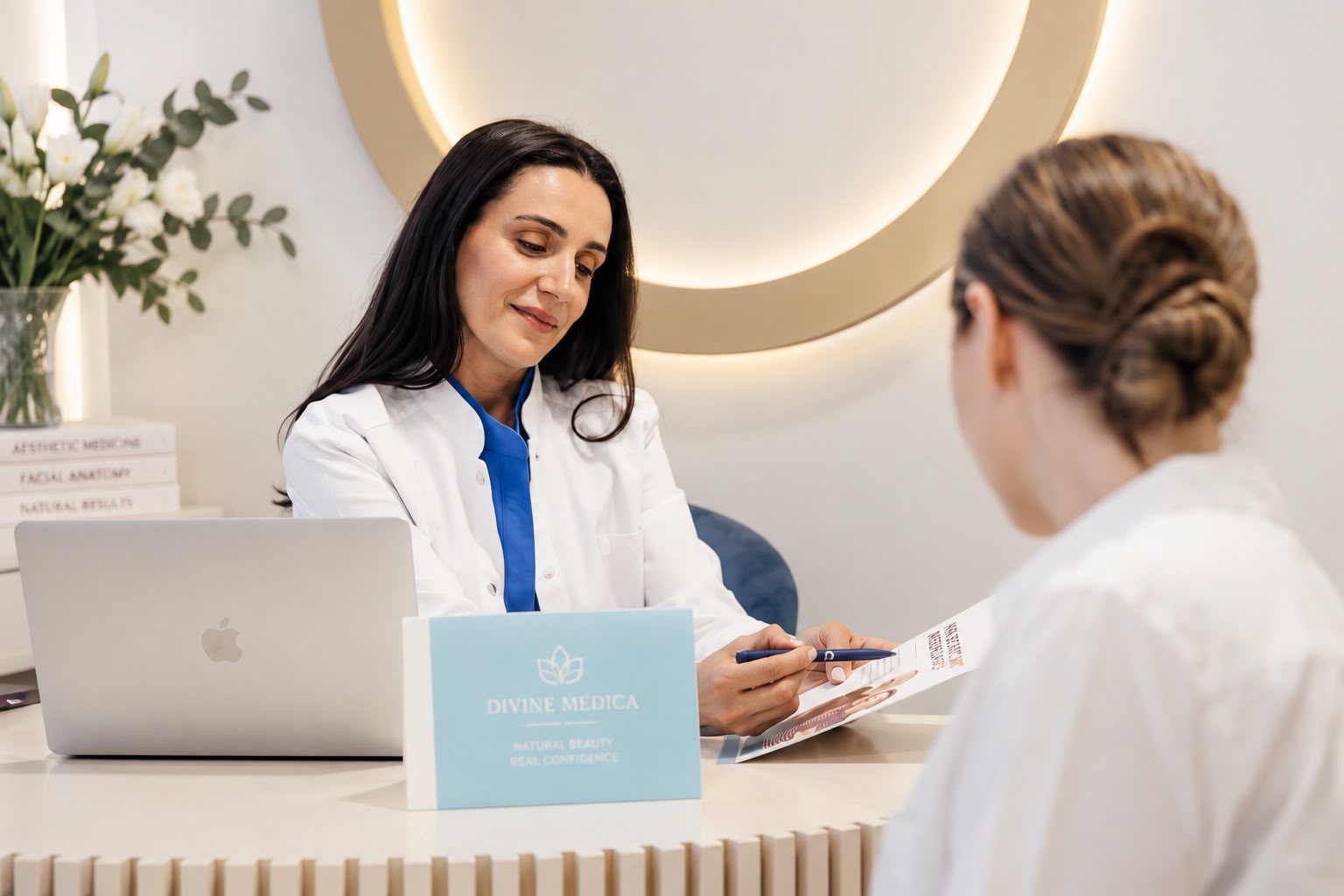
An eyelid examination is usually straightforward. A suspicious lesion or symptoms affecting vision can need urgent investigation or referral. Your clinician explains the findings and the next steps before any procedure is planned.
Here’s what to expect at each stage, from your consultation to your follow-up.
We examine your eyelids and eyes, review your health and medicines, and discuss the treatment options.
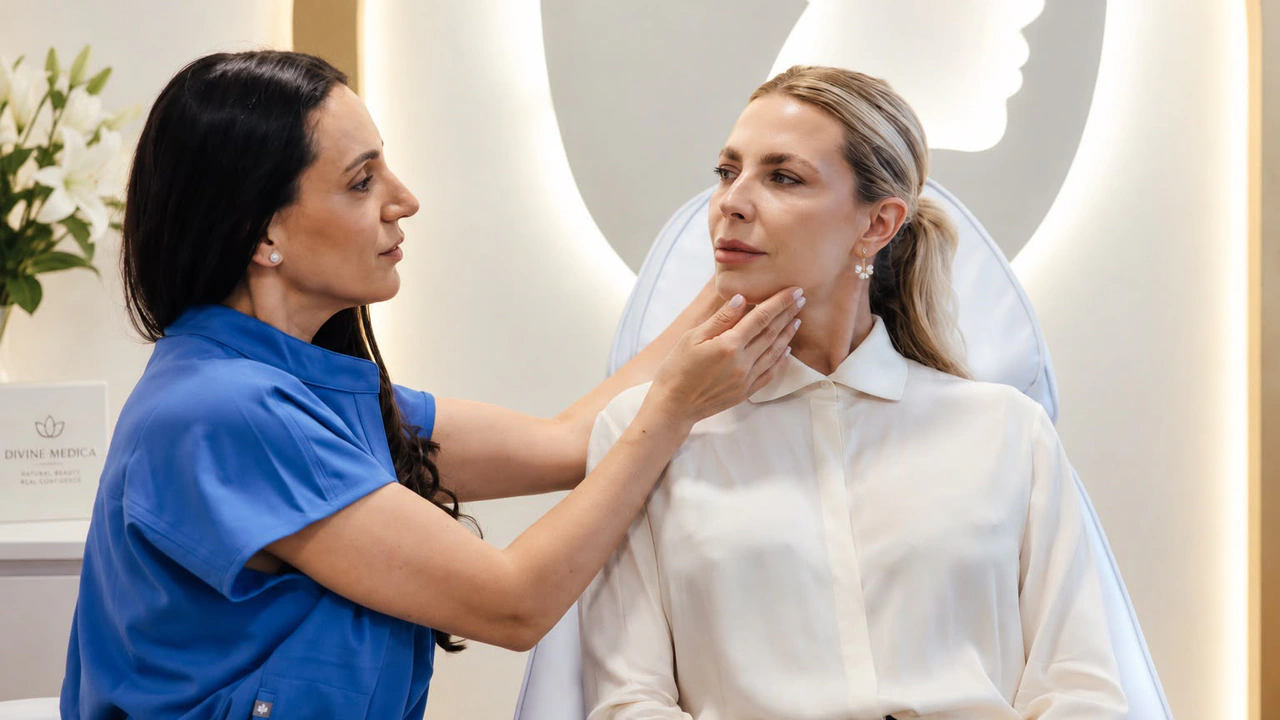
The lesion is measured, photographed and examined with appropriate diagnostic tools.
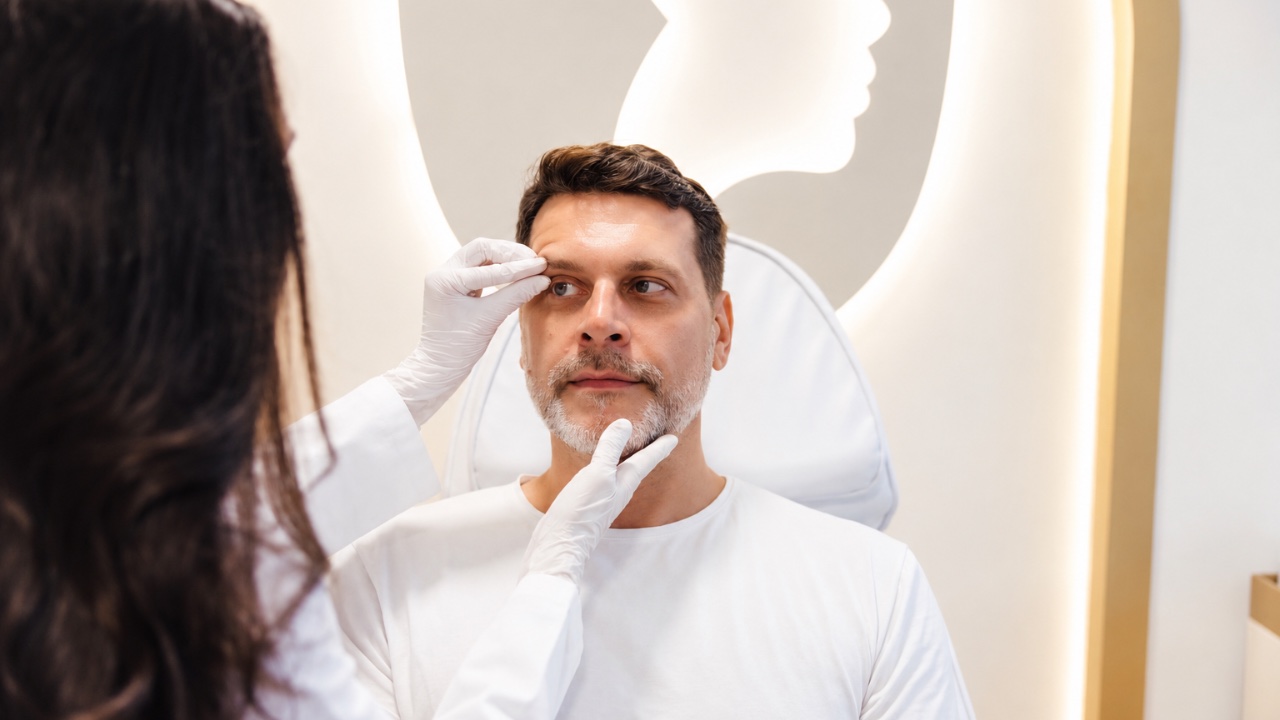
Further tests, observation, biopsy or treatment are recommended according to the findings.
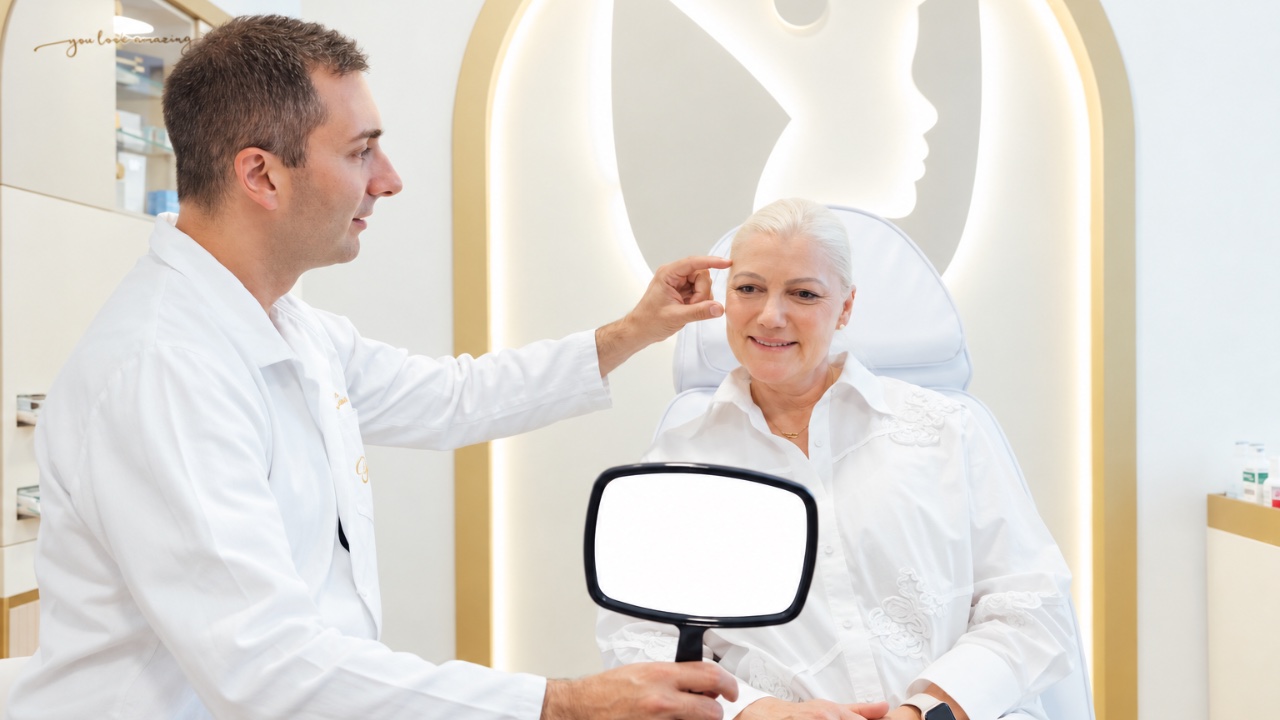
The clinician explains warning signs, follow-up timing and the next step.
Share your medical history, allergies, medicines and previous procedures, and do not stop prescribed medicine unless the prescribing clinician advises it. Arrange transport if sedation is planned, follow fasting instructions and report infection, eye irritation or a change in vision.
Follow the agreed monitoring or referral plan and seek urgent eye care for sudden visual change, severe pain or rapid swelling.
Your clinician explains the findings and next steps after the examination. Any further tests or tissue results guide the final plan. Follow-up depends on the diagnosis and changes in the lesion.
Exact treatment planning and pricing are confirmed during consultation.
Prices may vary depending on product, amount, and treatment combination.
Find direct answers about Eyelid Lesion Evaluation, suitability, results, and aftercare.
The first priority is diagnosis. Your clinician explains whether monitoring, further investigation or a separate procedure is appropriate after examining the area.
Allow 20-40 minutes for the appointment. Your clinician explains the examination findings and any further tests or review needed.
The examination does not normally require anaesthesia or procedural recovery. If eye drops are needed, they can briefly sting or blur vision. Your clinician explains any precautions before you leave.
Follow the agreed monitoring or referral plan and seek urgent eye care for sudden visual change, severe pain or rapid swelling.
There is no procedural downtime from the examination. If eye drops are used, follow the advice given about temporary blurred vision and driving.
Eye drops used during examination can briefly blur vision or sting if they are needed.
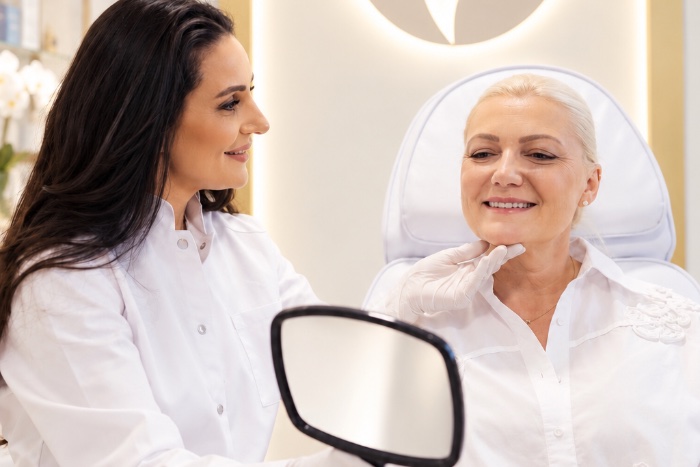
The evaluation can lead to photography, imaging, biopsy, laboratory testing or specialist referral, according to the findings.

At DIVINE Medica, our doctors and aesthetic specialists take time to listen and help you make informed choices. You’ll find clear advice, a plan built around your needs and personal support throughout your care at our Munich clinic.

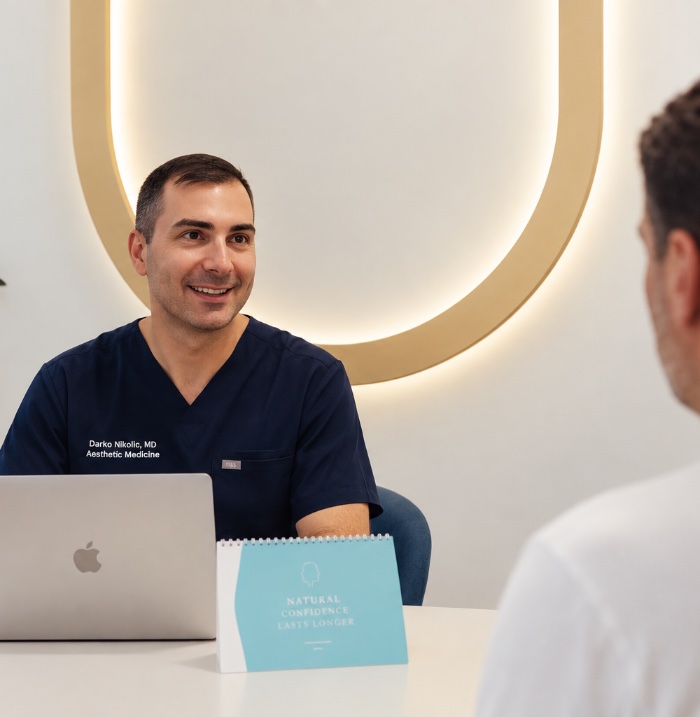
During your consultation, we discuss your goals, medical history and suitable treatment options. We explain what to expect, possible risks and aftercare, and take time to answer your questions.
A 30-minute consultation costs €75.
Make an Appointment >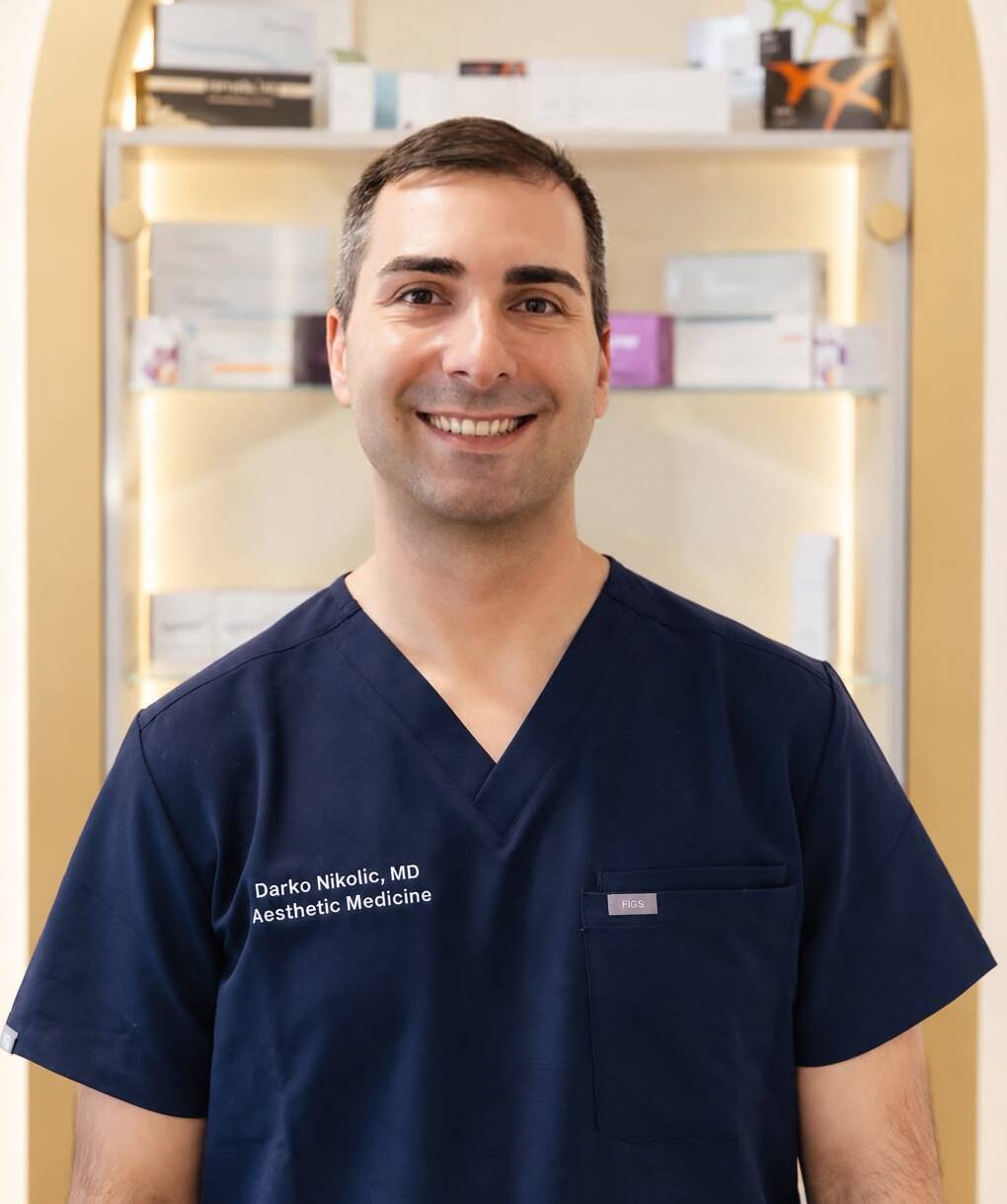
Specialist physician focused on personal consultation, medical responsibility and balanced treatment planning.
View Details →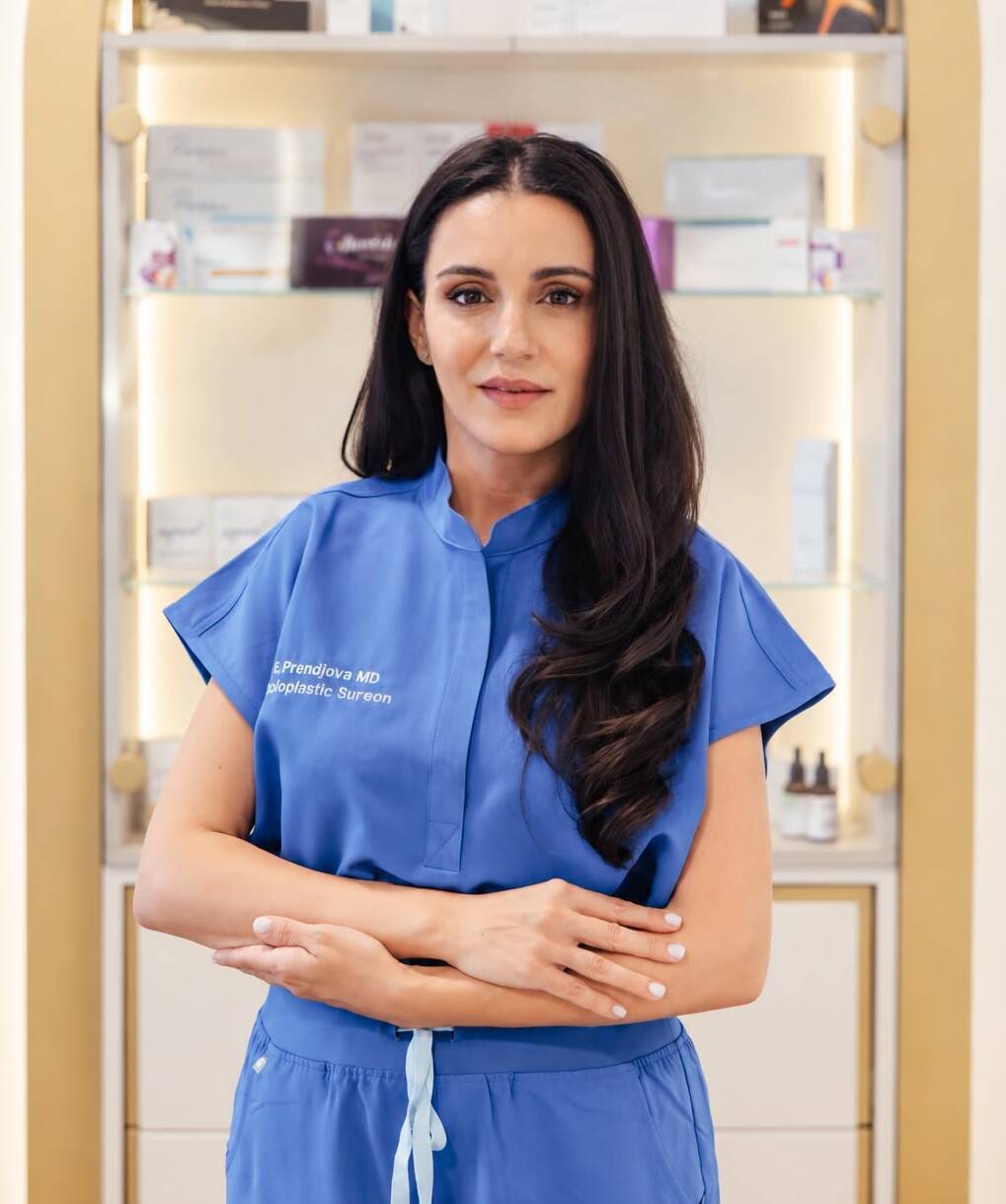
Specialist physician providing individual medical care with attention to safety, proportion and patient goals.
View Details →
Head of Medical Cosmetics & Aesthetic Technologies with a focus on skin analysis, individual goals and long-term treatment planning.
View Details →Visit our private practice for aesthetic medicine in the heart of Munich. We take time for your questions and personal consultation.
Discover our clinic spaces.
Modern, discreet and designed with great attention to detail.