01
Initial consultation
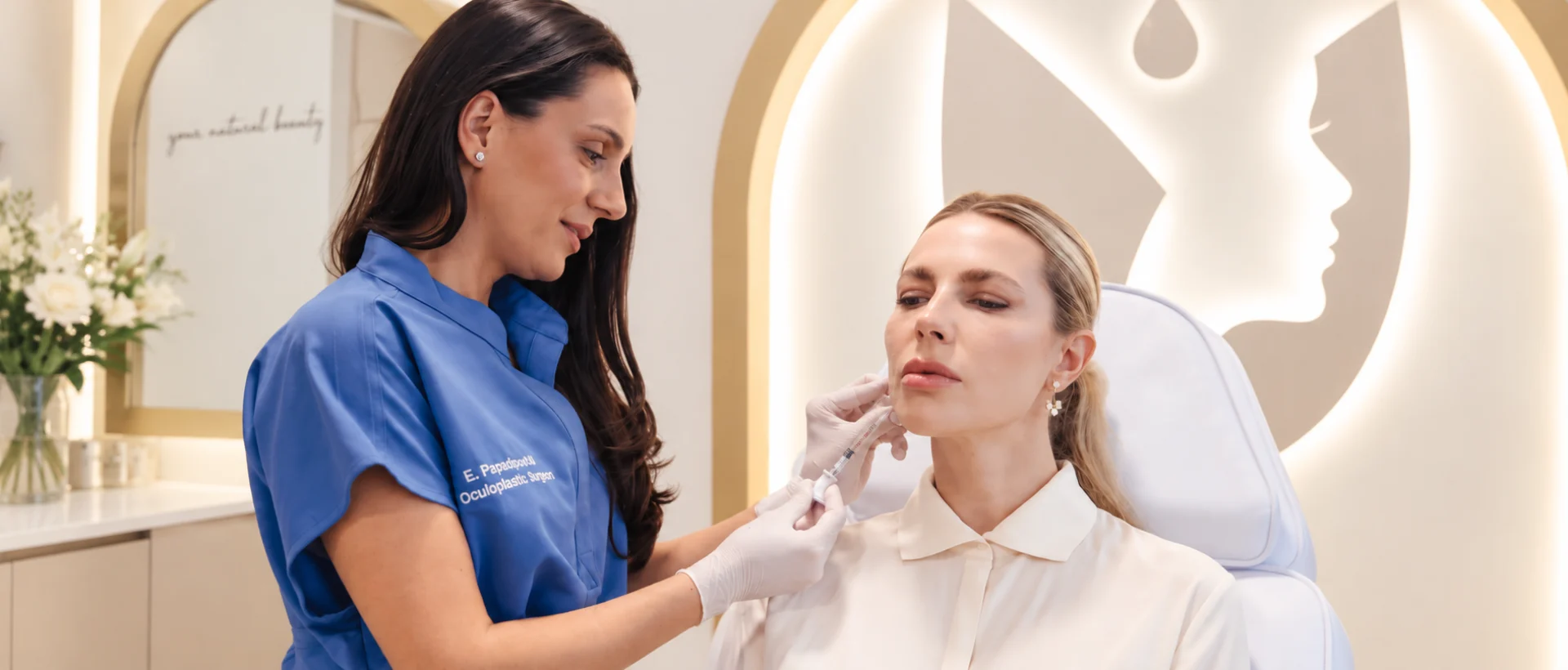
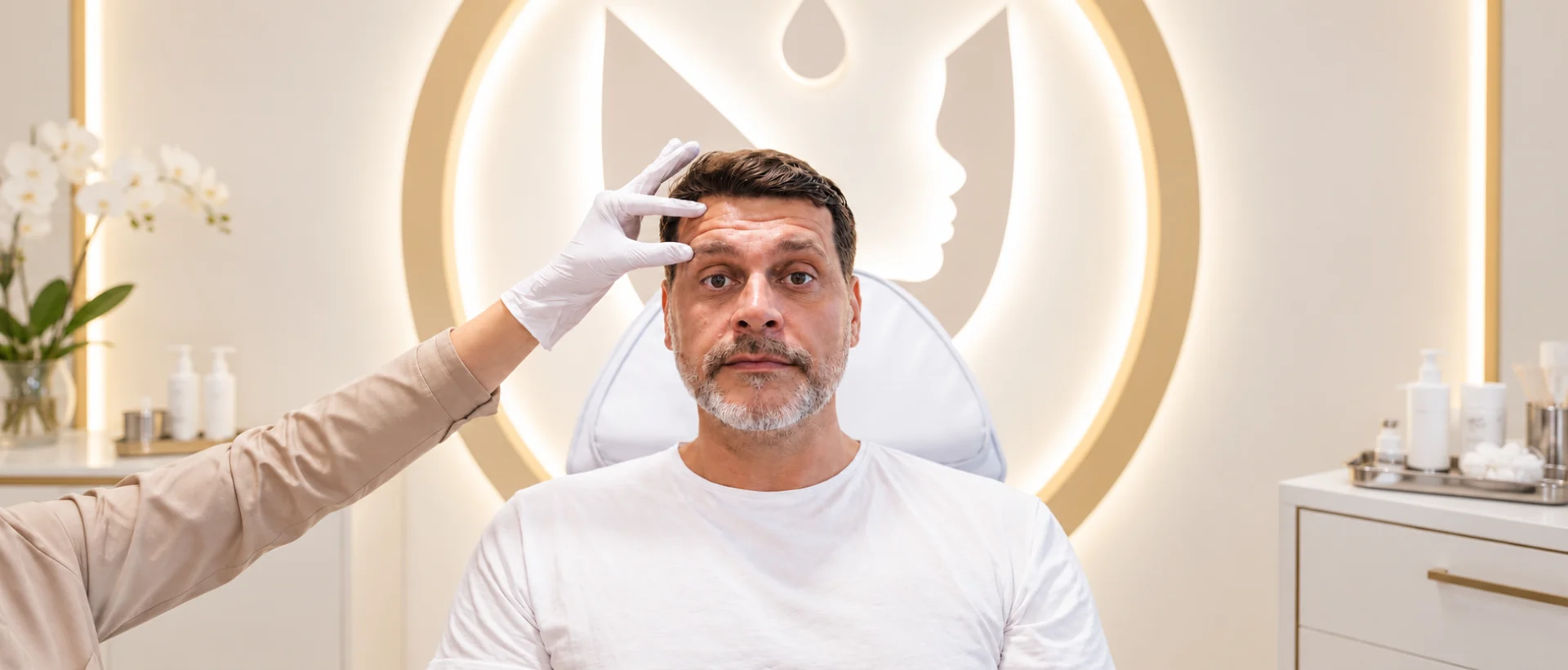
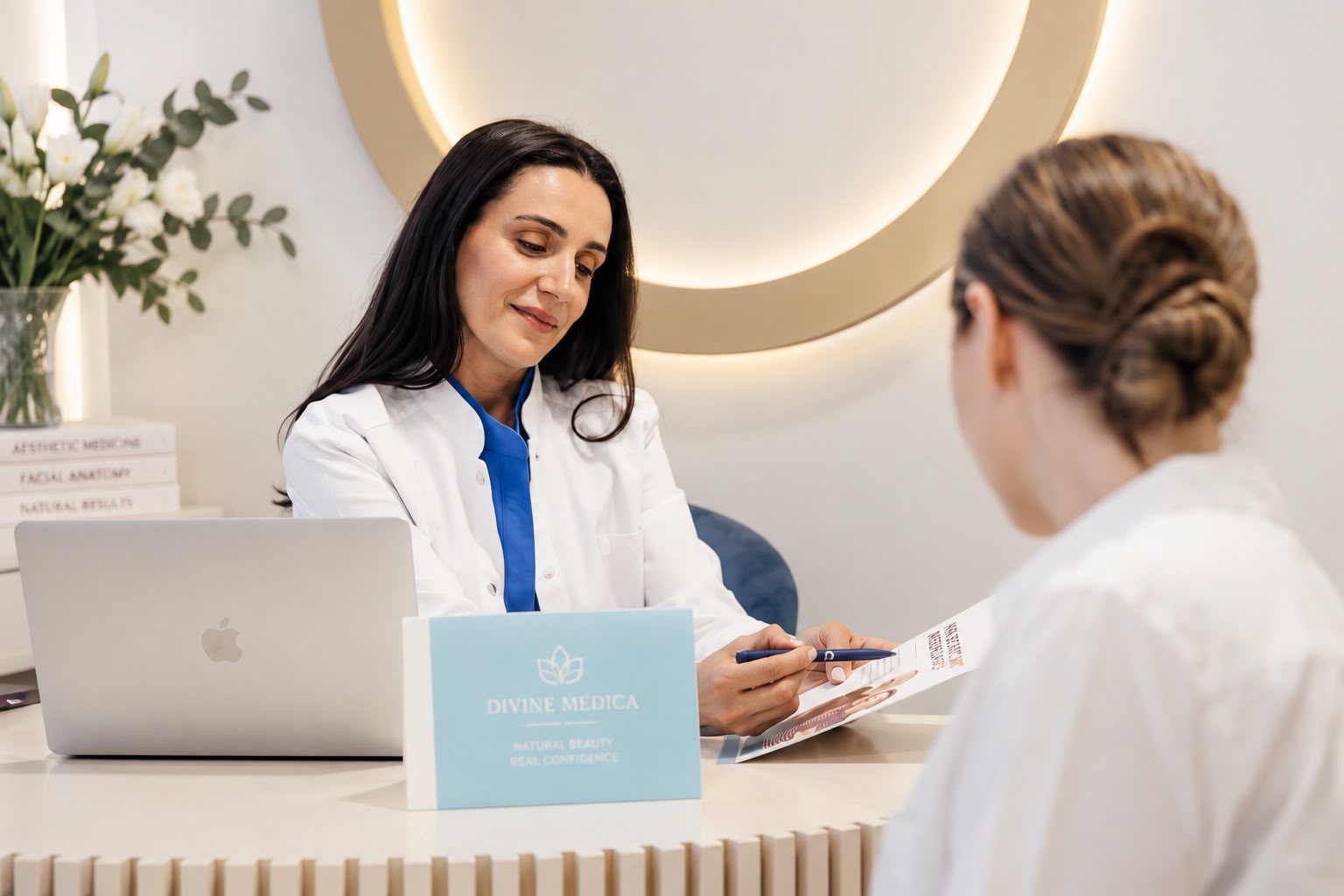
We examine your eyelids and eyes, review your health and medicines, and discuss the treatment options.
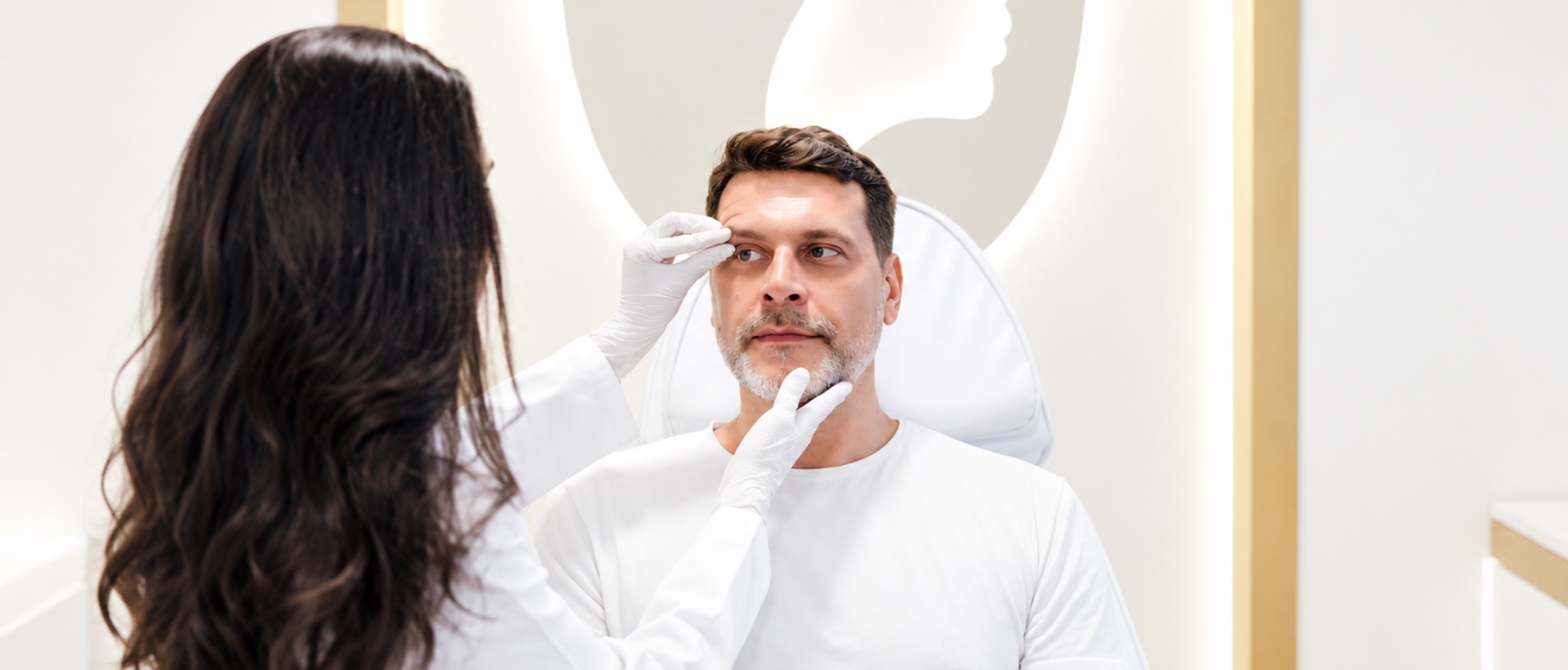
NATURAL. SUBTLE. YOU.
Lift a descended brow while preserving your natural facial expression.
A descended brow can add heaviness to the upper face and change the appearance of the eyelids. A surgical brow lift repositions the brow to improve its height and contour, with the lift planned around your eyelid skin and natural expression for a balanced result.
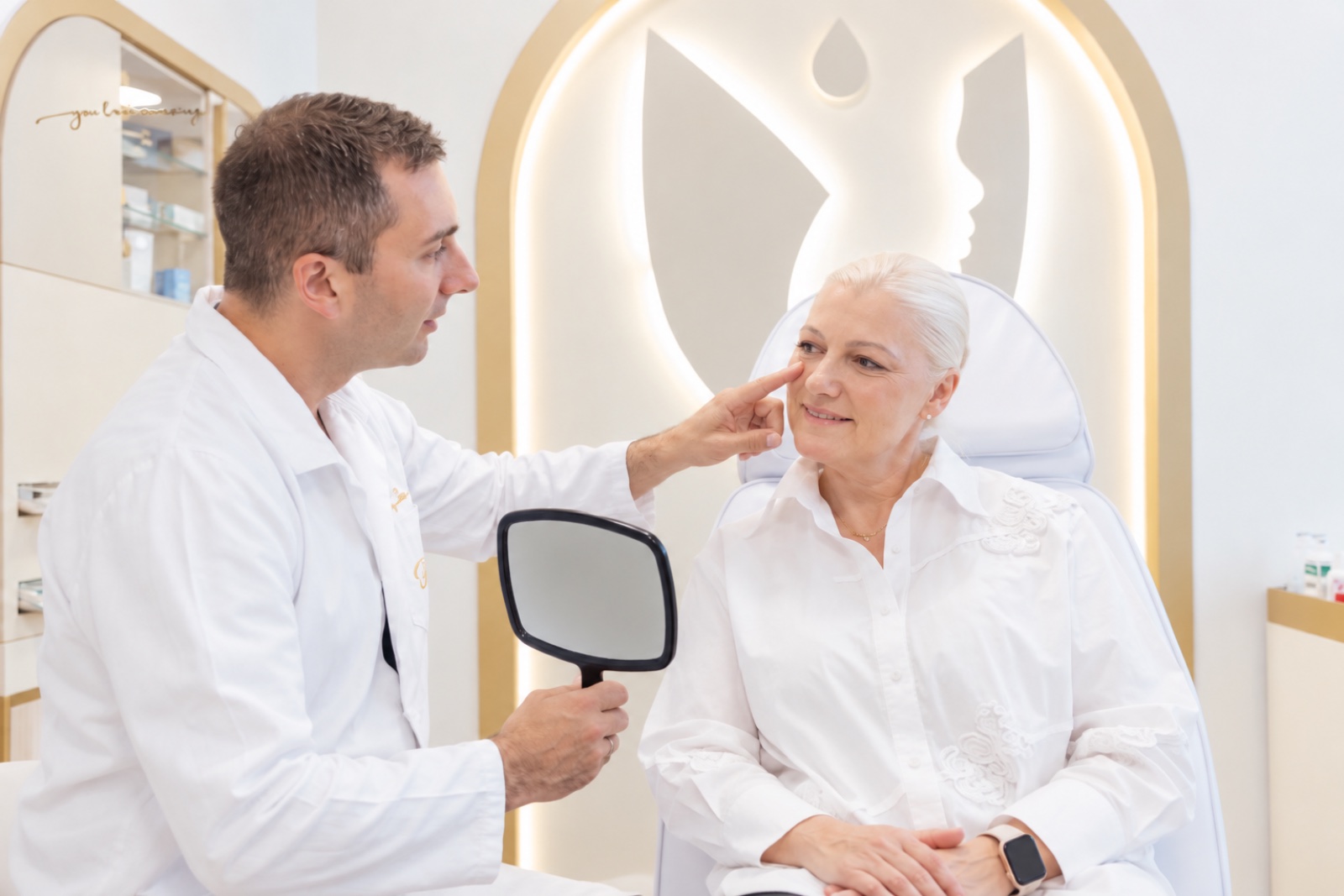
A surgical brow lift repositions descended brow tissue through a planned surgical approach. The surgeon assesses brow height alongside upper-eyelid skin before selecting the areas and extent of repositioning.
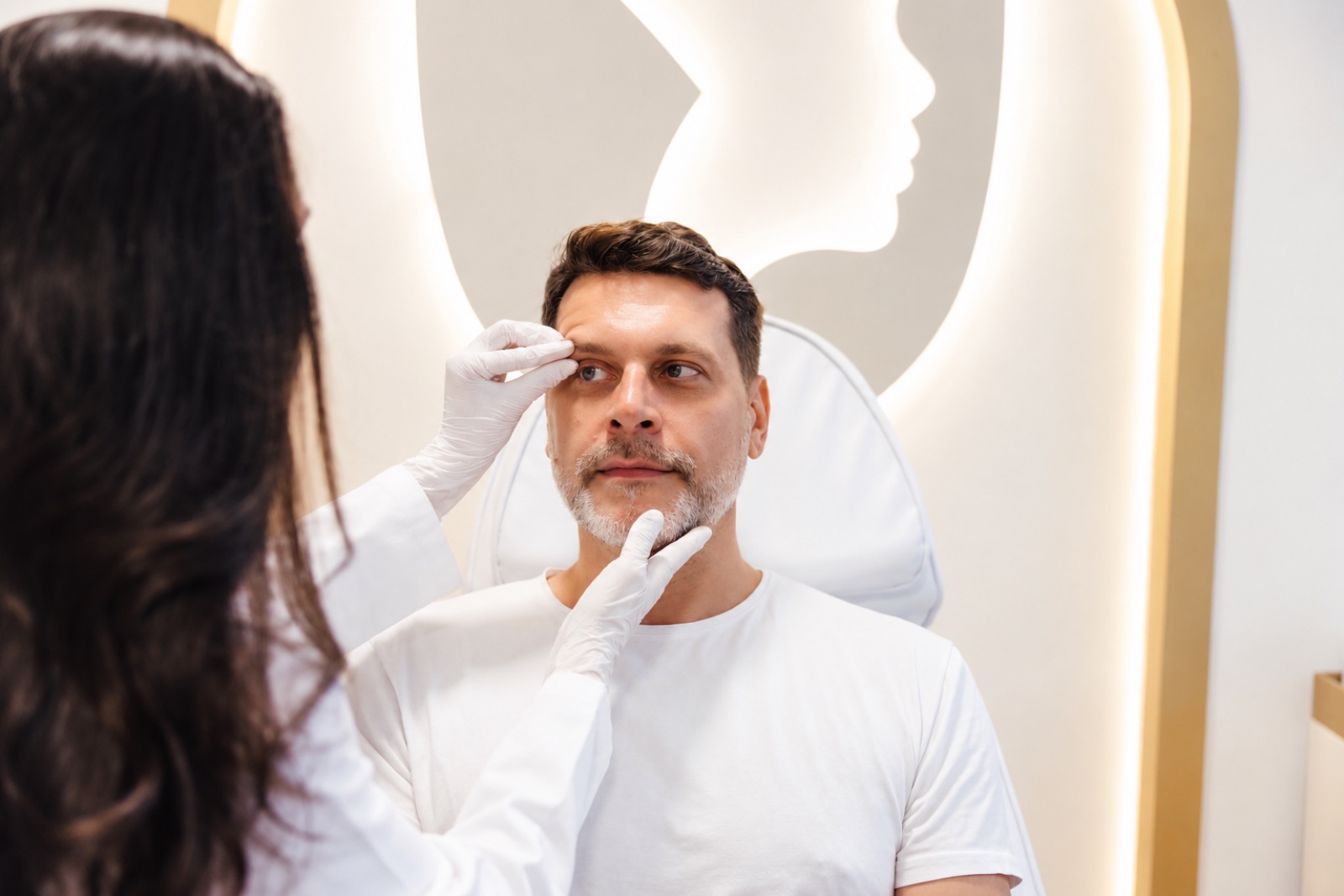
Consider a surgical brow lift when significant brow descent contributes to upper-face heaviness. Assessment distinguishes brow position from excess eyelid skin and establishes the degree of lift needed.
Surgical planning includes an examination, review of your medicines and a discussion of recovery and complications. Risks include bleeding, infection, scarring, dry eyes, asymmetry and changes in eyelid function. Severe eye pain or a change in vision needs urgent assessment.
Here’s what to expect at each stage, from your consultation to your follow-up.
We examine your eyelids and eyes, review your health and medicines, and discuss the treatment options.
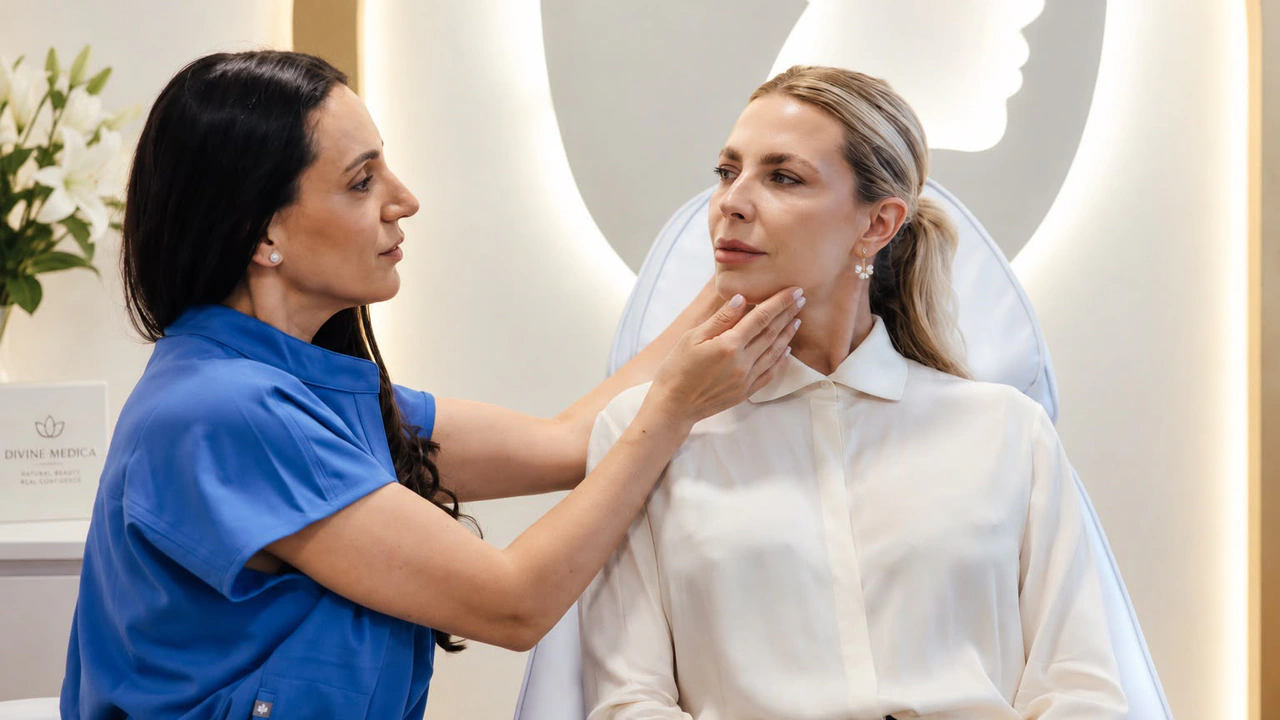
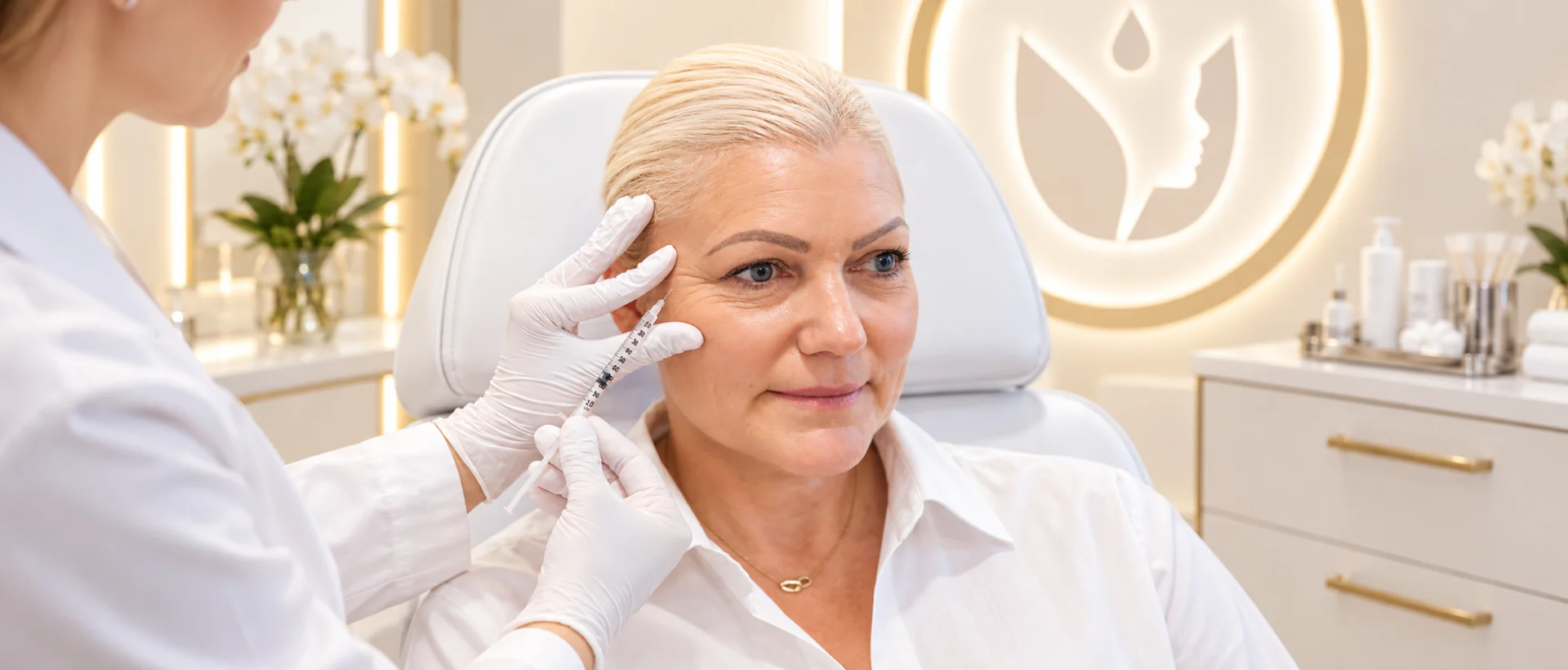
The treatment area is marked, cleaned and anaesthesia is given.
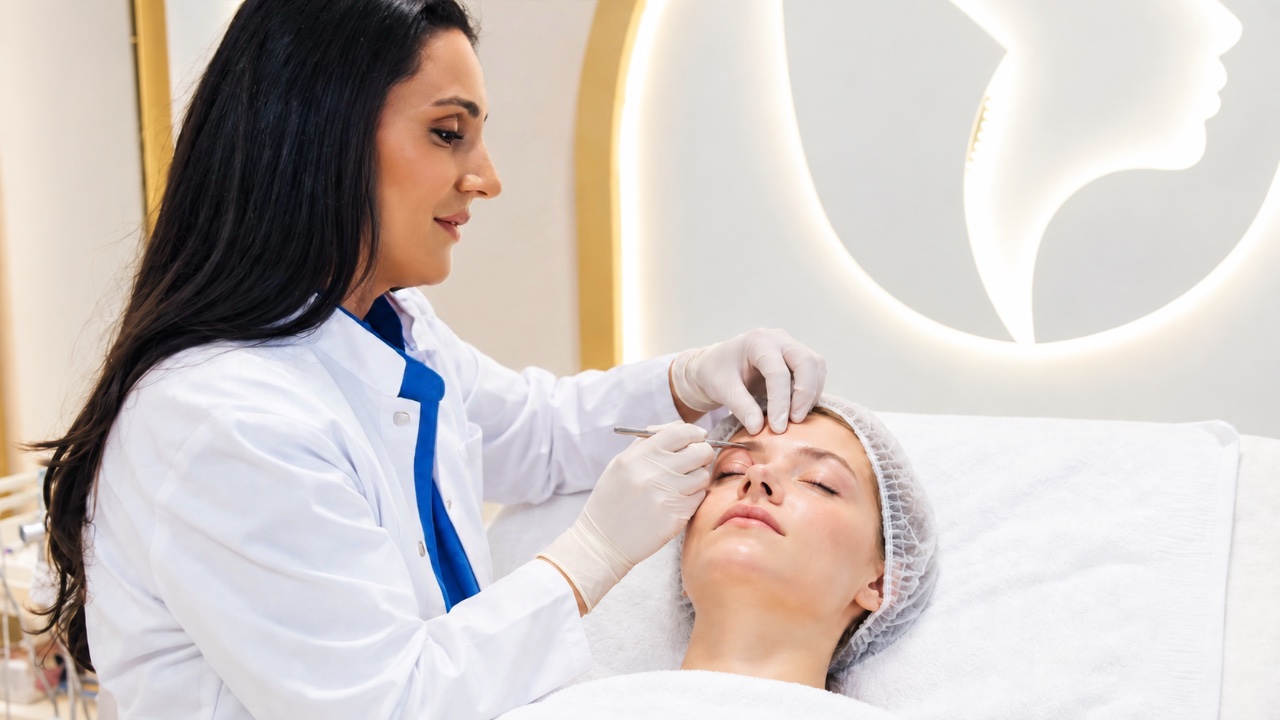
The planned surgical correction is completed and bleeding is controlled.
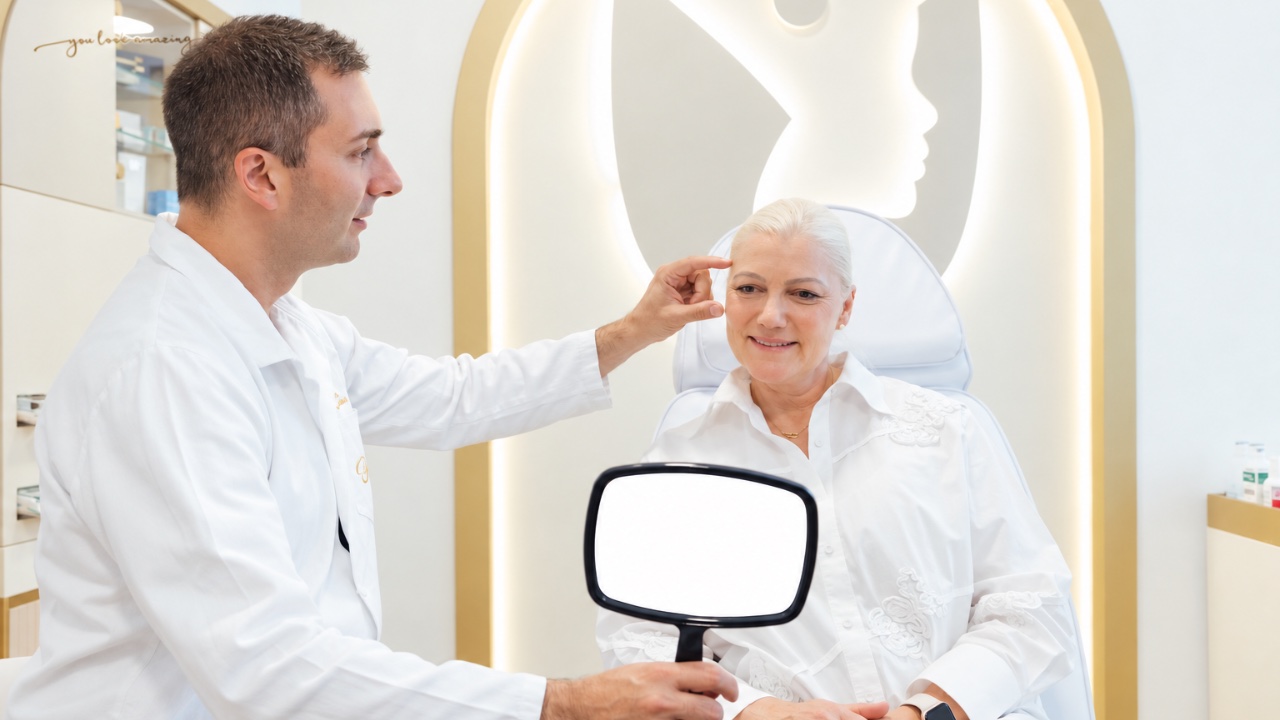
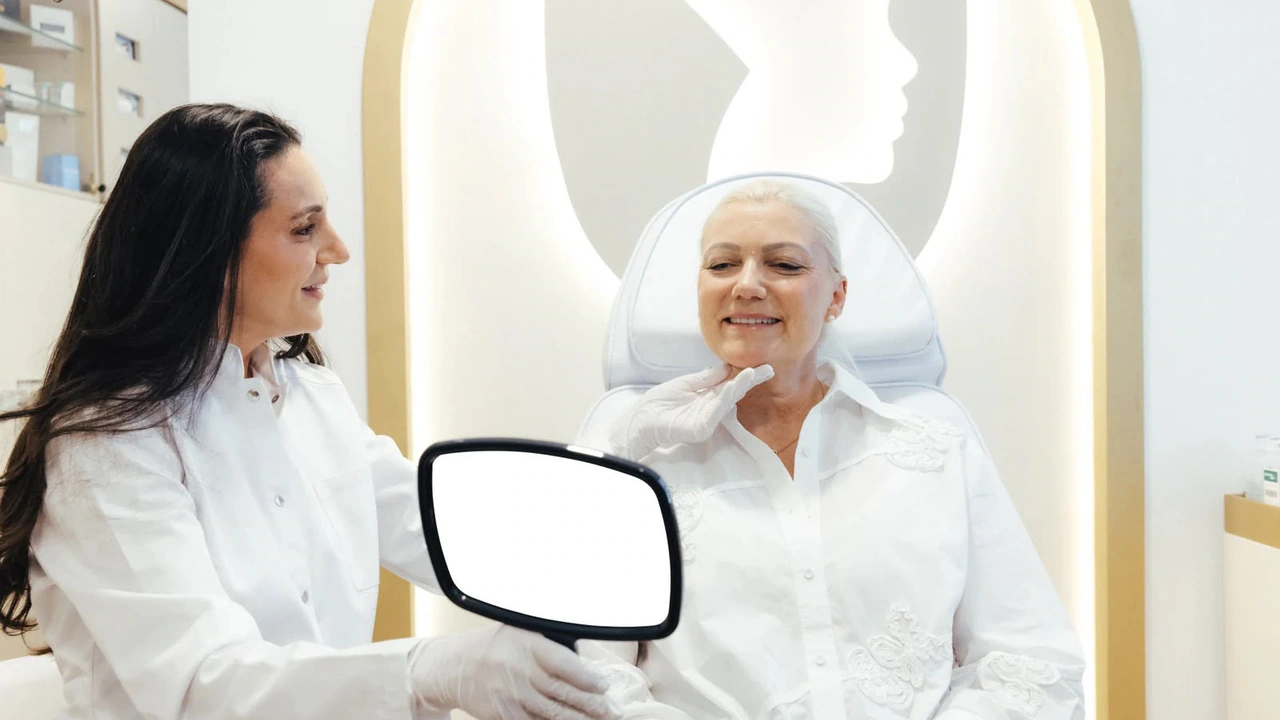
The wound is closed or dressed, recovery is monitored and written aftercare is provided.
Share your medical history, allergies, medicines and previous procedures, and do not stop prescribed medicine unless the prescribing clinician advises it. Arrange transport if sedation is planned, follow fasting instructions and report infection, eye irritation or a change in vision.
Use prescribed eye care, cold compresses and head elevation as directed, protect the wound and seek urgent help for severe pain, bleeding or any visual change.
The change in brow position becomes clearer as early swelling settles over 1-2 weeks, opening the upper eye area and softening its heavy appearance. The result is reviewed after 2-3 months, with a long-lasting change in brow position and scars maturing for up to a year.
Exact treatment planning and pricing are confirmed during consultation.
Prices may vary depending on product, amount, and treatment combination.
Find direct answers about Surgical Brow Lift, suitability, results, and aftercare.
A brow lift changes brow position, while blepharoplasty addresses selected eyelid tissue. Examination establishes which area contributes to the concern and whether one or both need treatment.
Appointments usually take 60-180 minutes. Early changes are usually seen within 1-2 weeks. The final result is reviewed after 2-3 months, and scars continue to mature for up to a year. Surgical improvement is long-lasting, although ageing and tissue change continue. Routine wound and scar reviews are arranged, with later treatment only if medically needed.
Discomfort is typically rated 2-3 out of 10. The anaesthesia plan is discussed with your surgeon before treatment. Downtime is usually 7-14 days. Most patients plan 7-14 days away from social or demanding work. Moderate eyelid swelling commonly peaks in the first 2-3 days and improves over 1-2 weeks.
Use prescribed eye care, cold compresses and head elevation as directed, protect the wound and seek urgent help for severe pain, bleeding or any visual change.
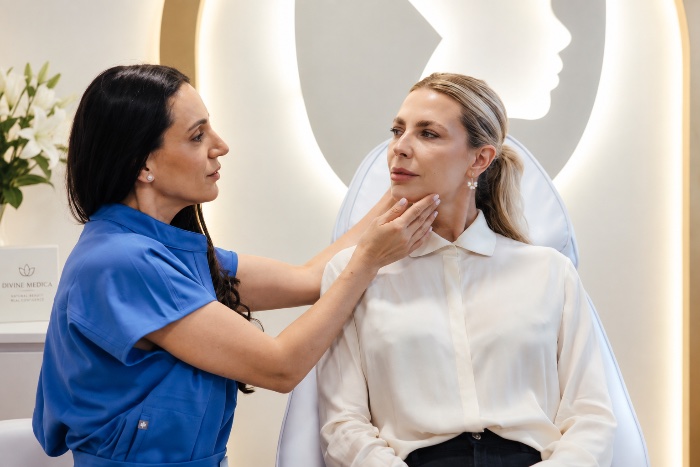
Downtime is usually 7-14 days. Most patients plan 7-14 days away from social or demanding work. Moderate eyelid swelling commonly peaks in the first 2-3 days and improves over 1-2 weeks.
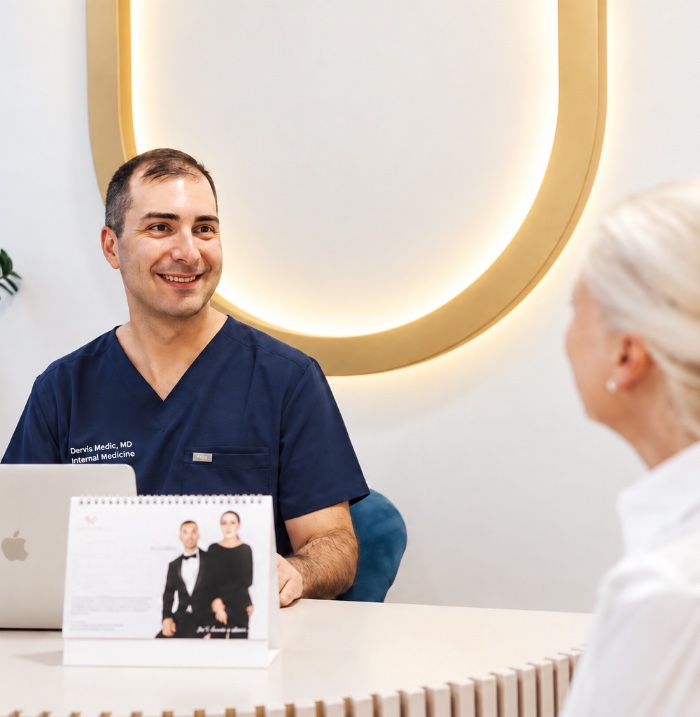
Bruising, swelling, tightness, watering, dryness, temporary blurred vision and scar tenderness can occur.
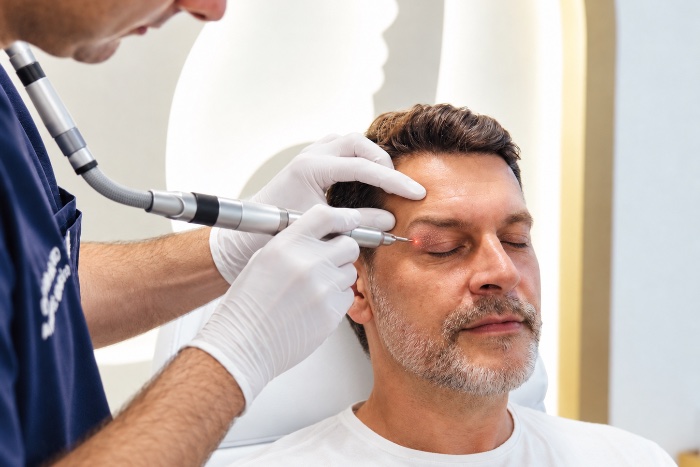
Surgery may be combined with brow, skin or injectable treatment only when the surgeon considers the timing and eye-surface health safe.

At DIVINE Medica, our doctors and aesthetic specialists take time to listen and help you make informed choices. You’ll find clear advice, a plan built around your needs and personal support throughout your care at our Munich clinic.
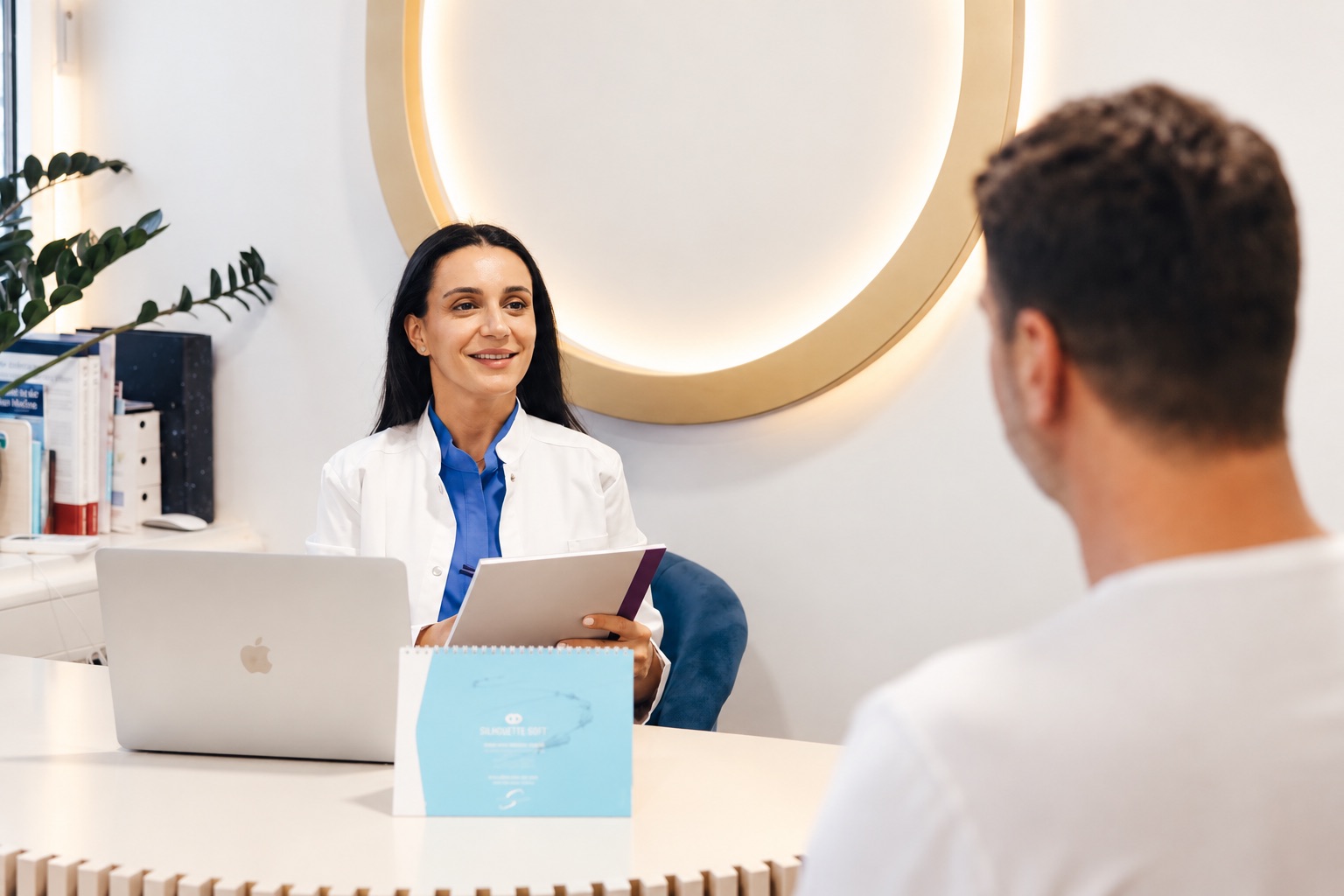
During your consultation, we discuss your goals, medical history and suitable treatment options. We explain what to expect, possible risks and aftercare, and take time to answer your questions.
A 30-minute consultation costs €75.
Make an Appointment >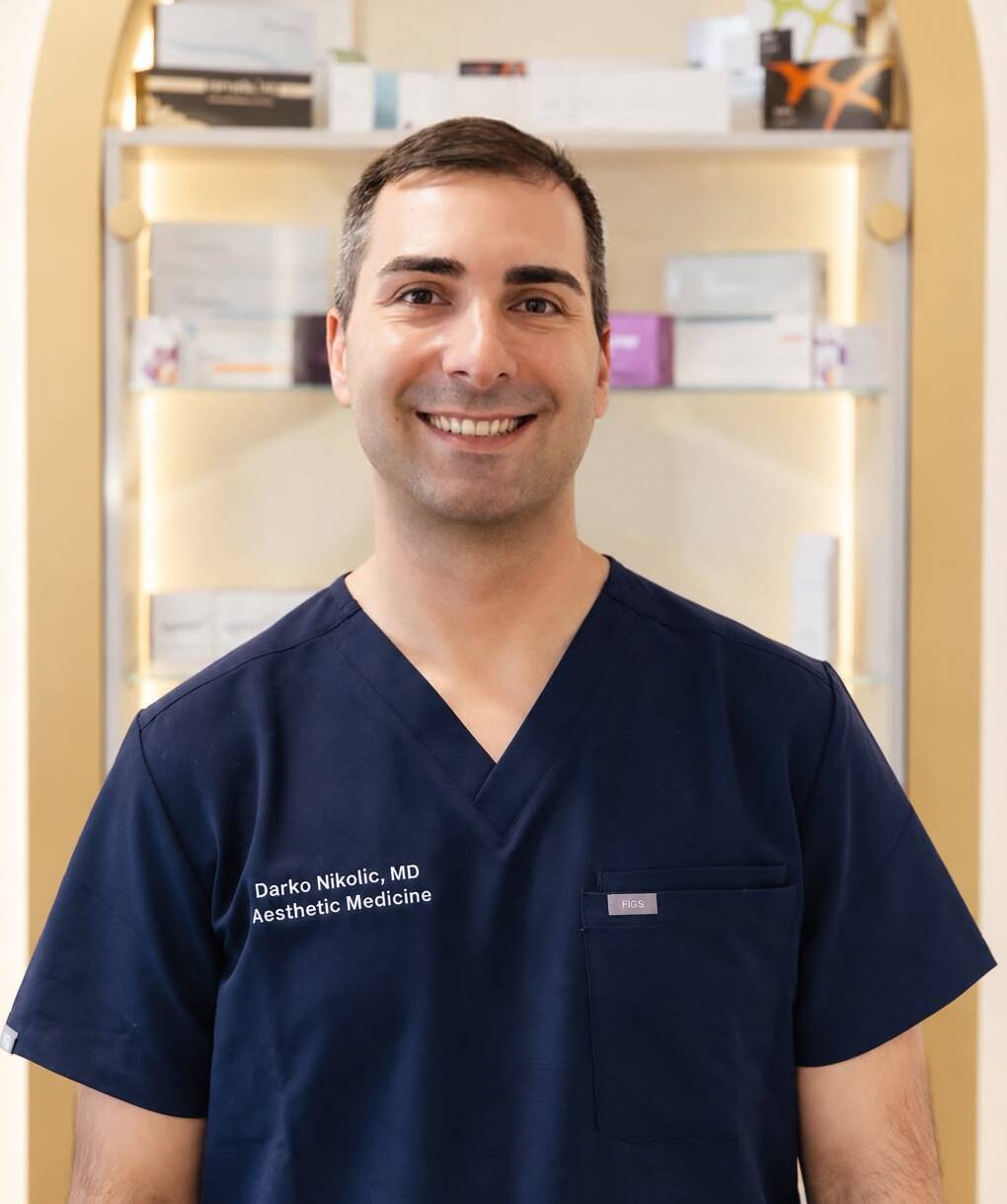
Specialist physician focused on personal consultation, medical responsibility and balanced treatment planning.
View Details →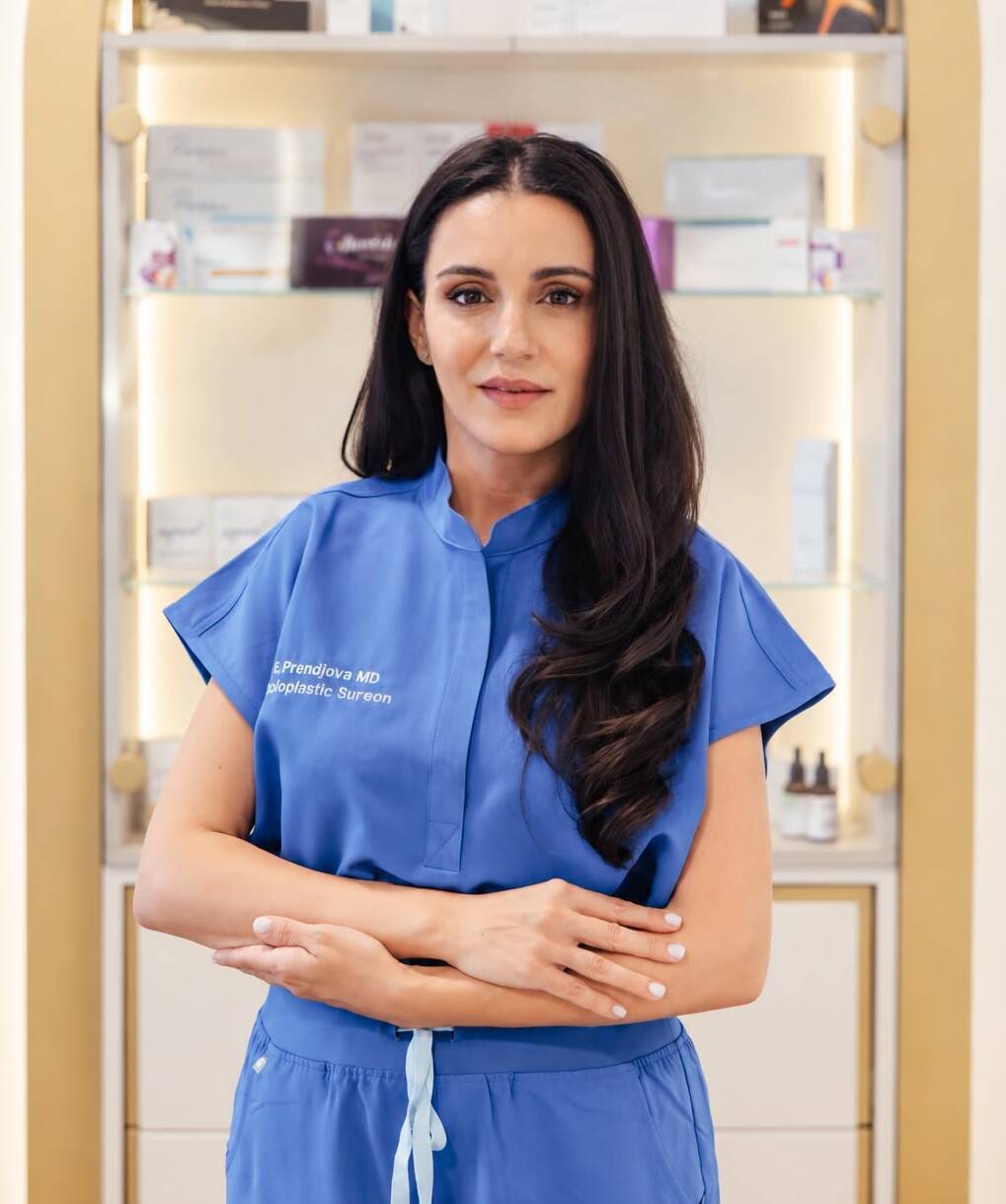
Specialist physician providing individual medical care with attention to safety, proportion and patient goals.
View Details →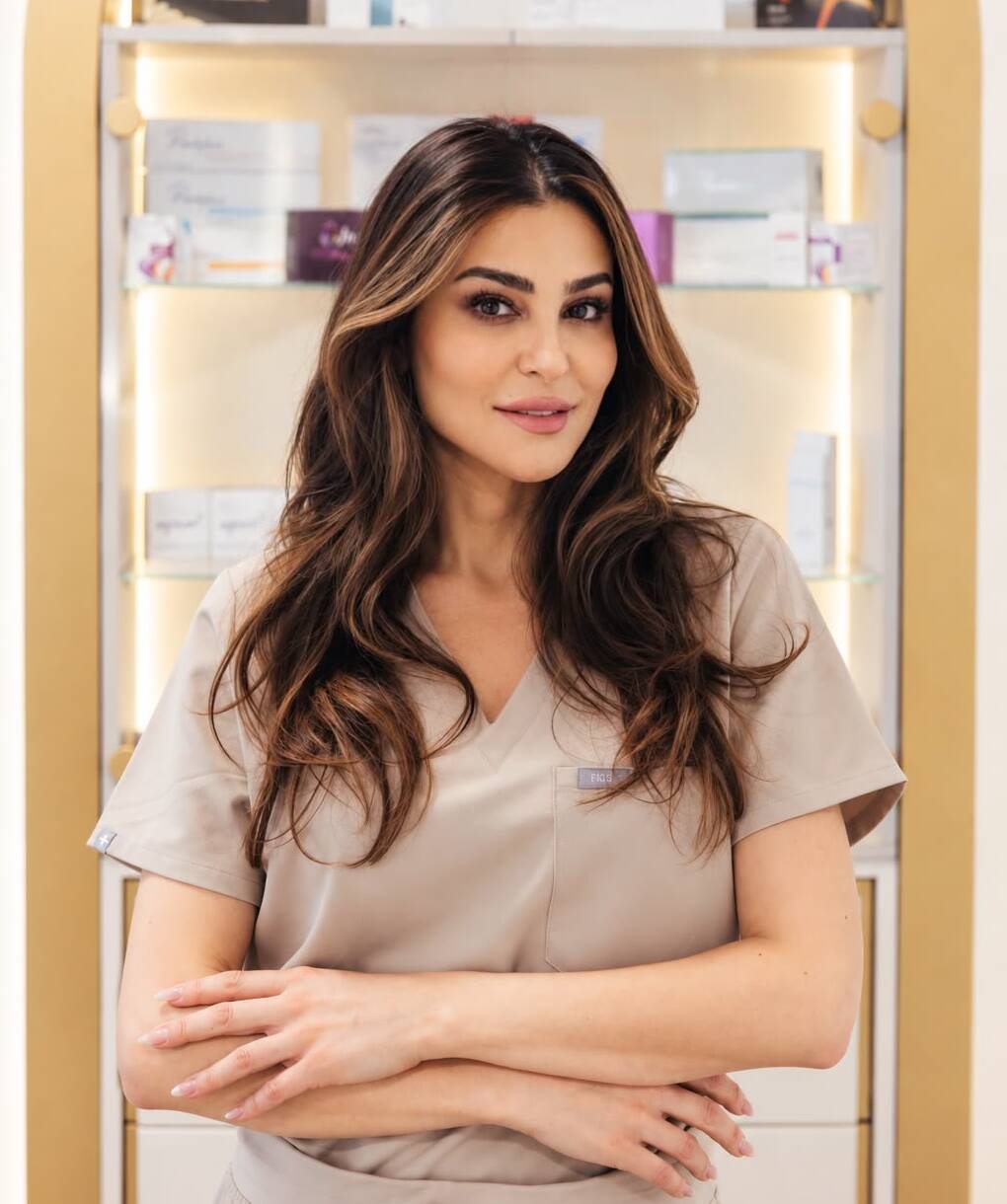
Head of Medical Cosmetics & Aesthetic Technologies with a focus on skin analysis, individual goals and long-term treatment planning.
View Details →Visit our private practice for aesthetic medicine in the heart of Munich. We take time for your questions and personal consultation.
Discover our clinic spaces.
Modern, discreet and designed with great attention to detail.