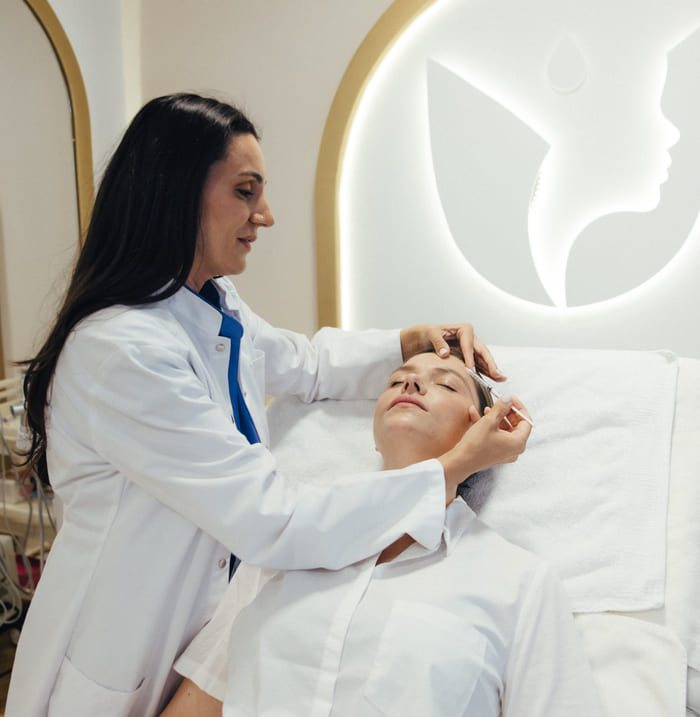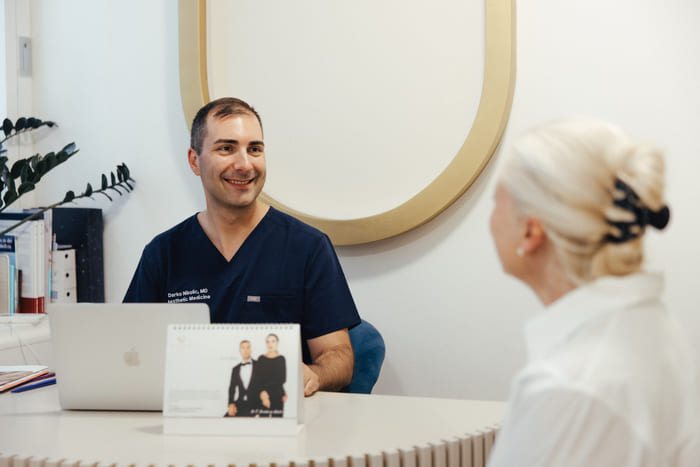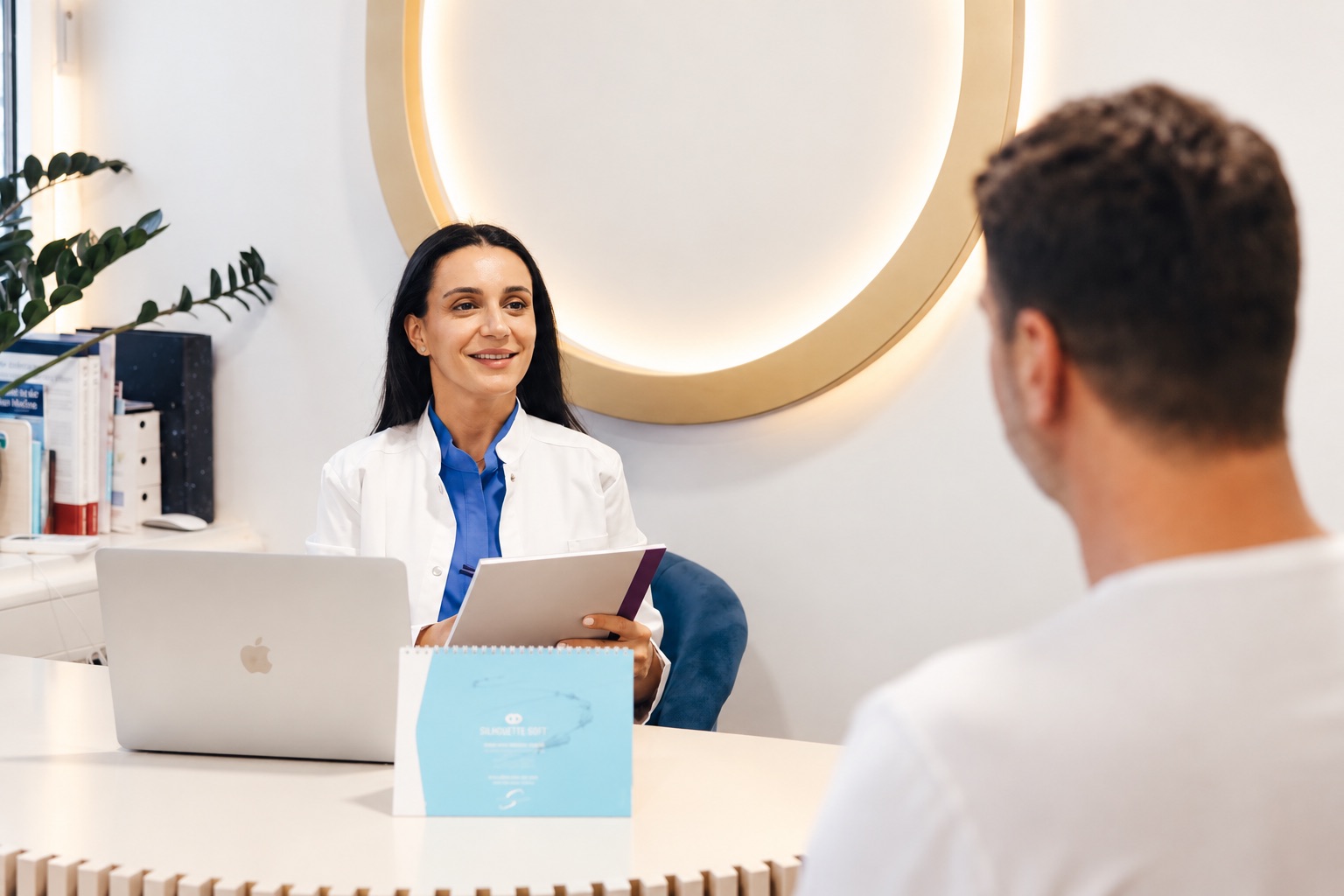

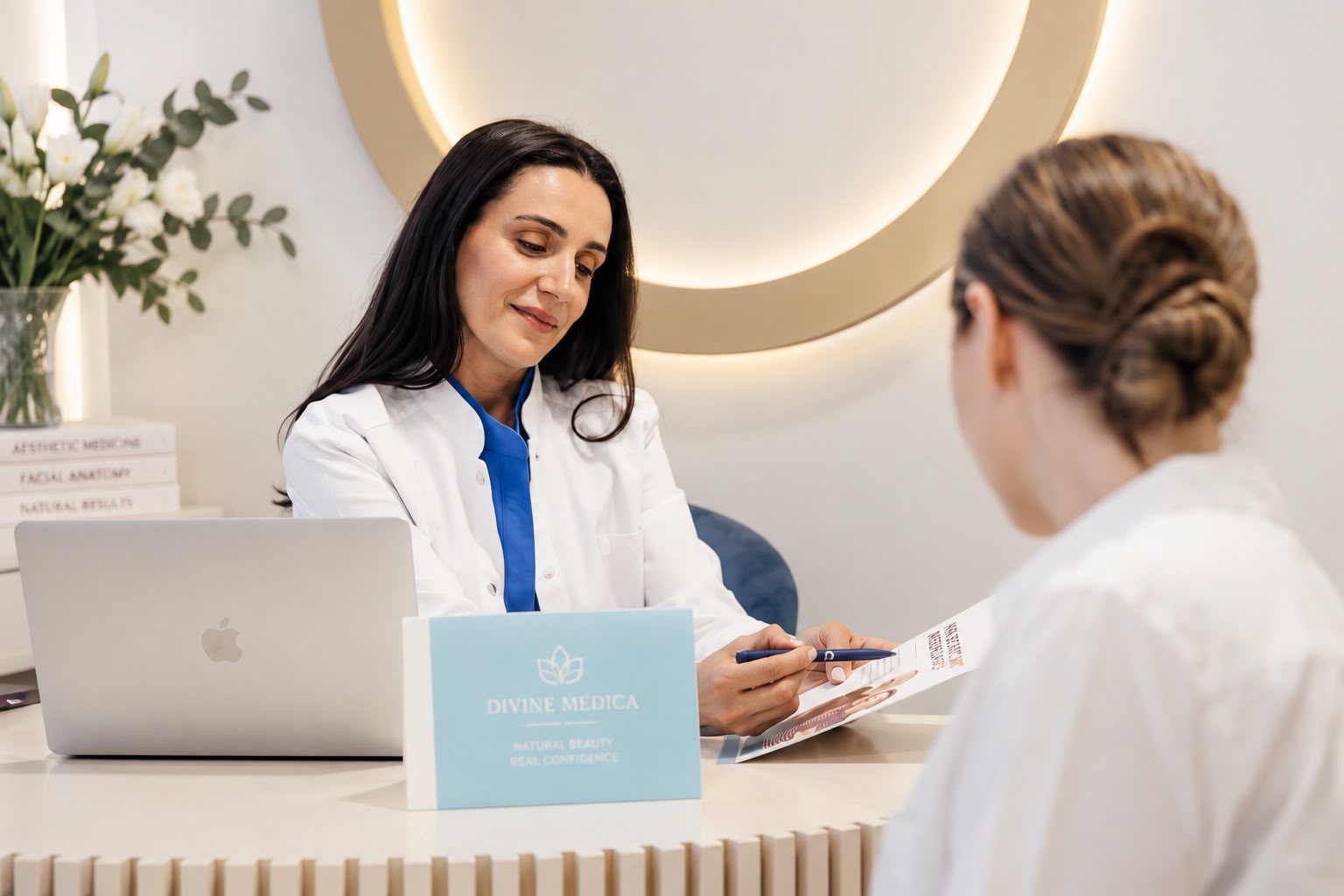
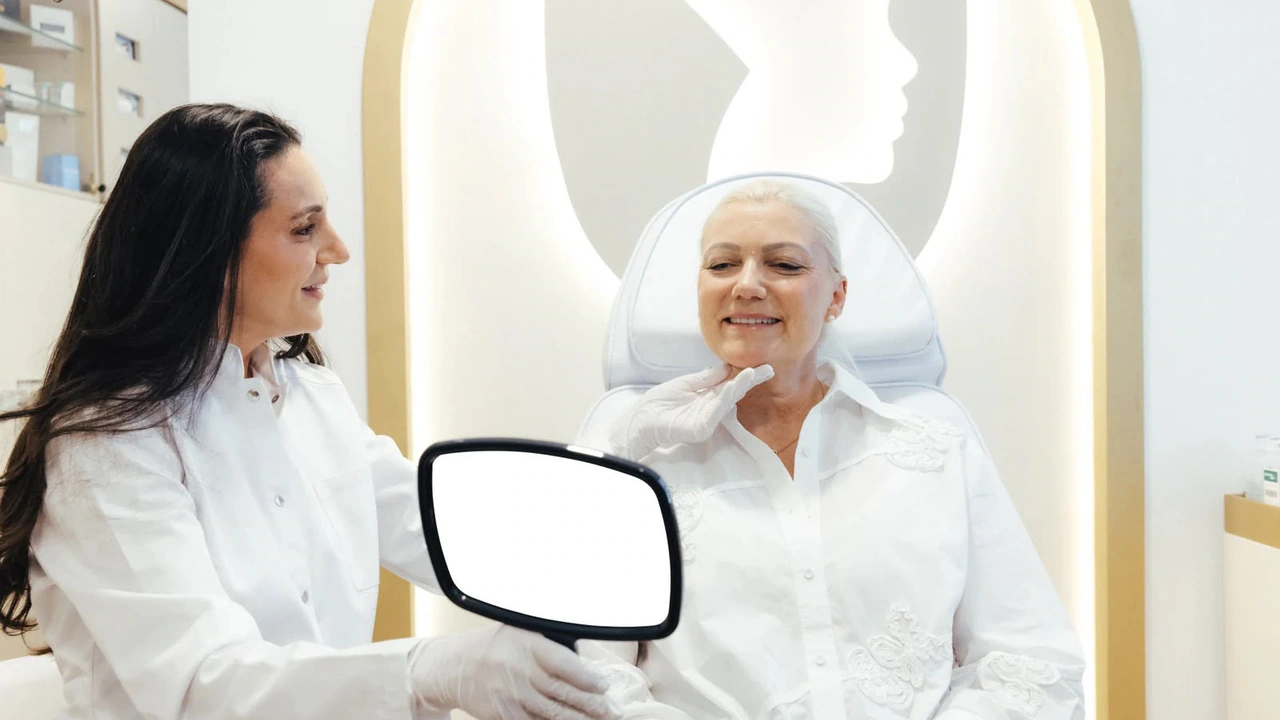
Initial consultation
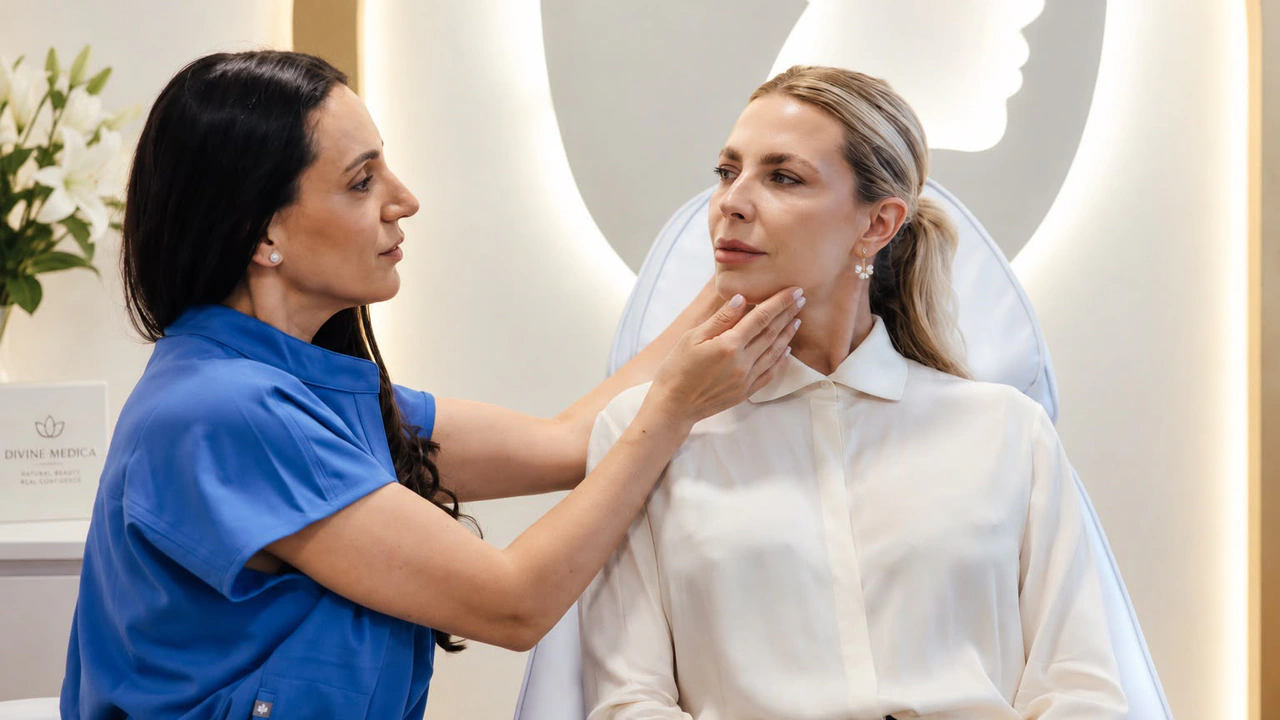
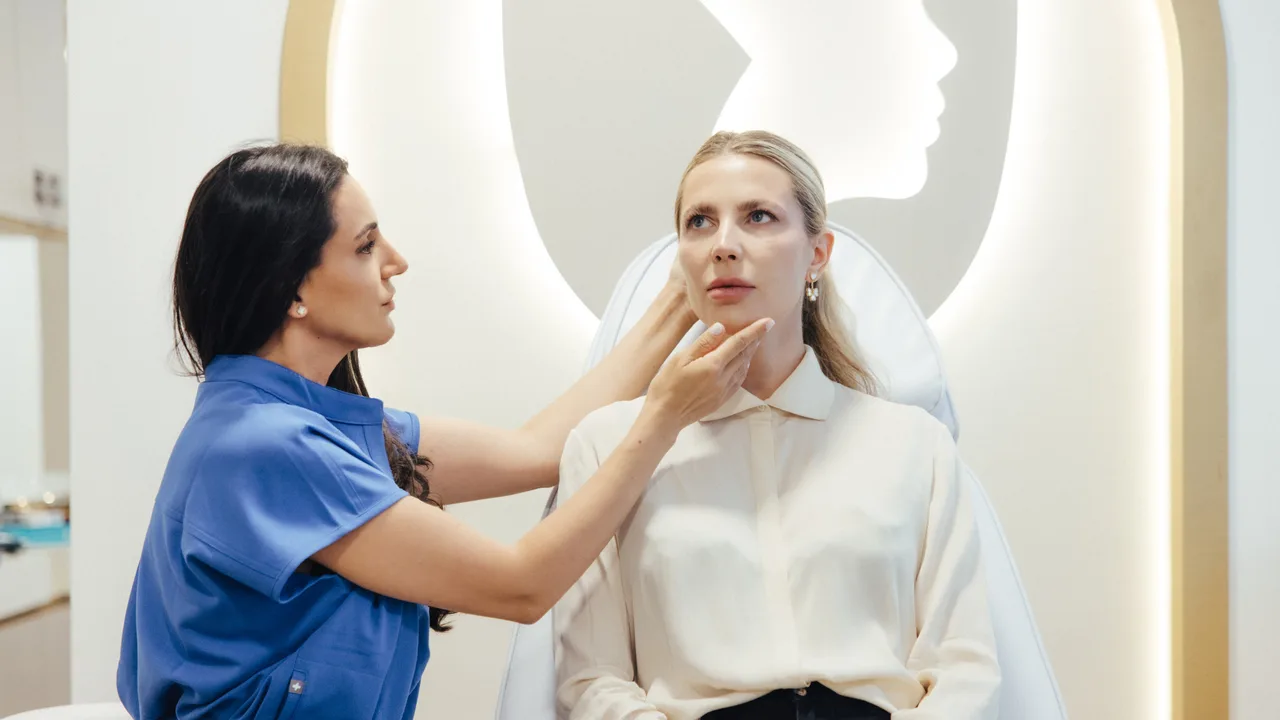
The clinician reviews the pattern, onset, family history, medicines, nutrition and scalp health. Important alternatives are also discussed.

NATURAL. SUBTLE. YOU.
PRP Hair Restoration uses platelet-rich plasma
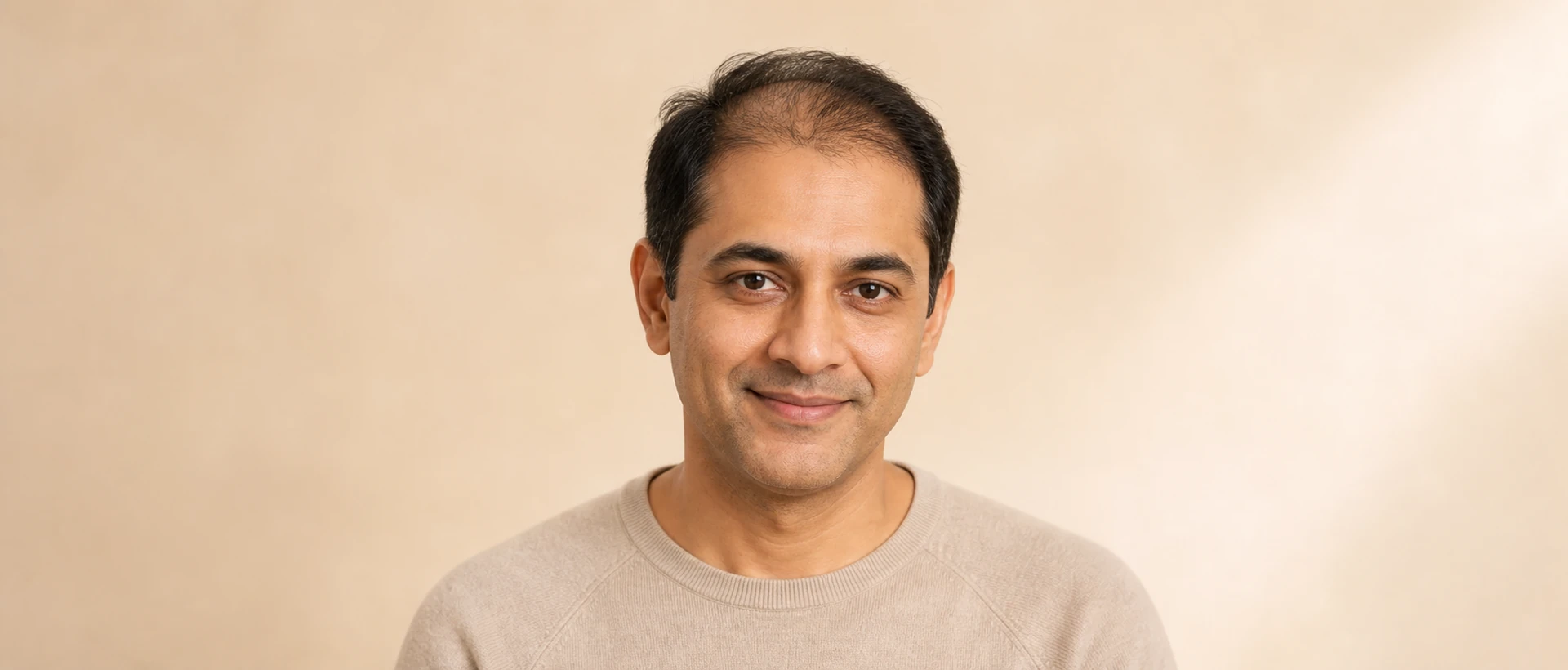
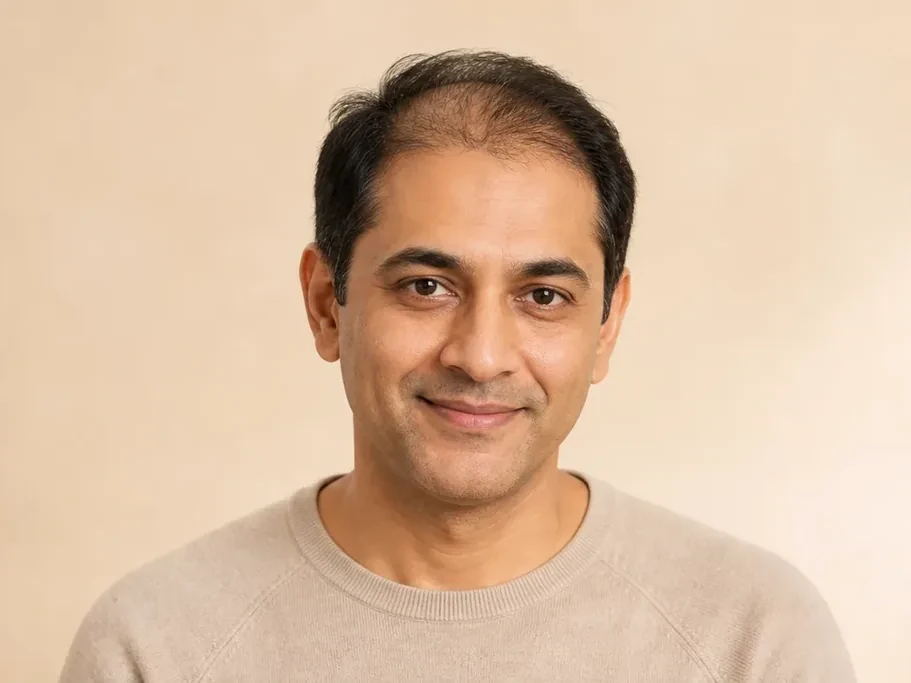
The goal is to reduce suitable hair shedding and support thicker-looking growth using the patient’s own platelet-rich plasma after identifying the type and cause of hair loss. Progress is reviewed against agreed goals.

PRP Hair Restoration uses platelet-rich plasma prepared from the patient’s own blood to reduce suitable hair shedding and support thicker-looking growth using the patient’s own platelet-rich plasma. Individual assessment remains essential before treatment.

Consider this service after a clinician has diagnosed the hair-loss pattern and explained standard medical and procedural options. A consultation should confirm suitability, alternatives and realistic expectations. Individual assessment remains essential before proceeding.
Each appointment is planned around your anatomy, goals, and medical suitability.

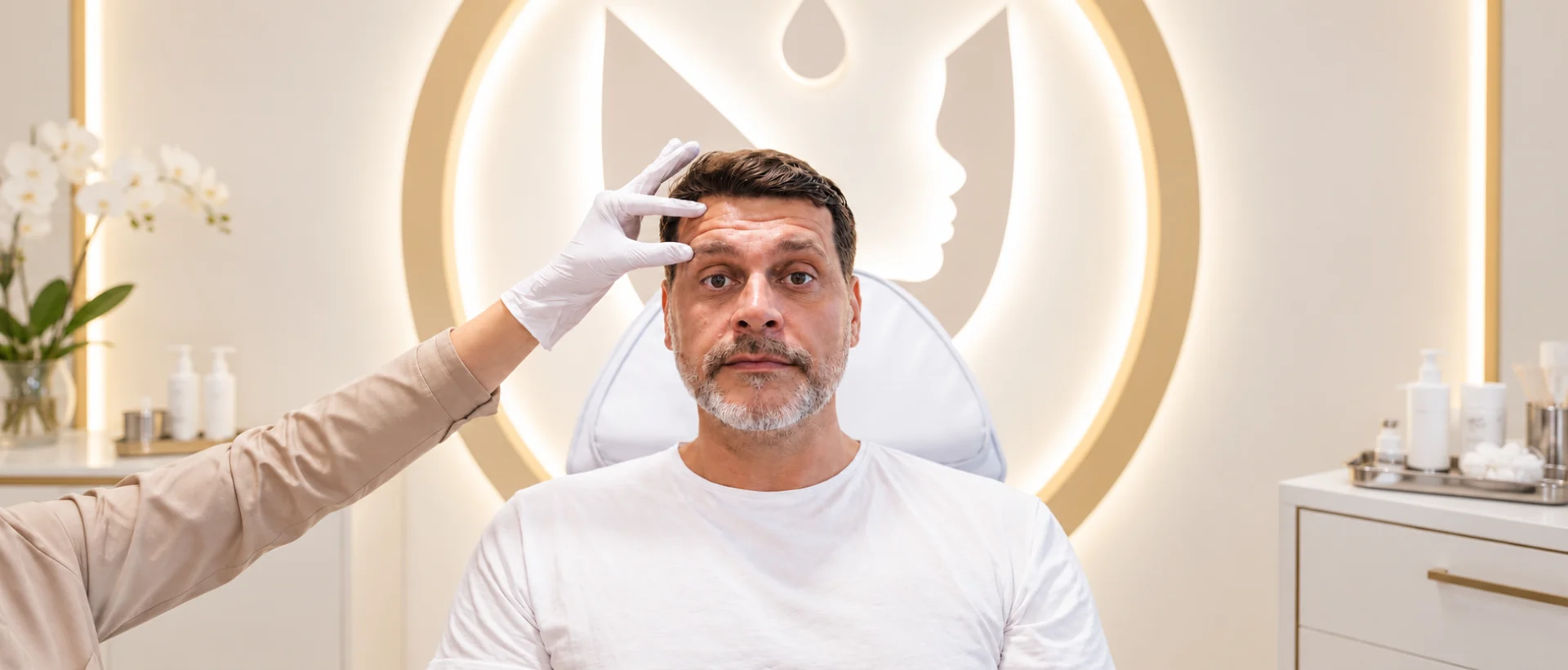
The clinician reviews the pattern, onset, family history, medicines, nutrition and scalp health. Important alternatives are also discussed.

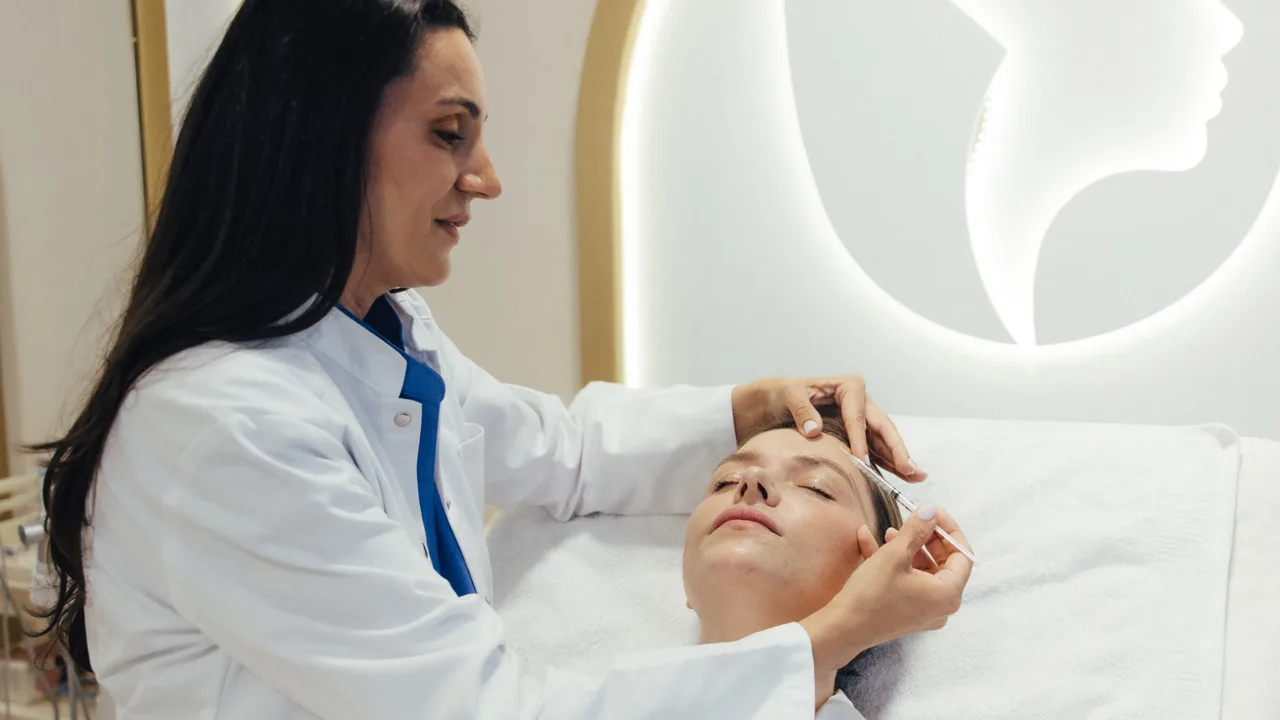
A small blood sample is processed to prepare platelet-rich plasma. Comfort, markings and skin protection are checked.

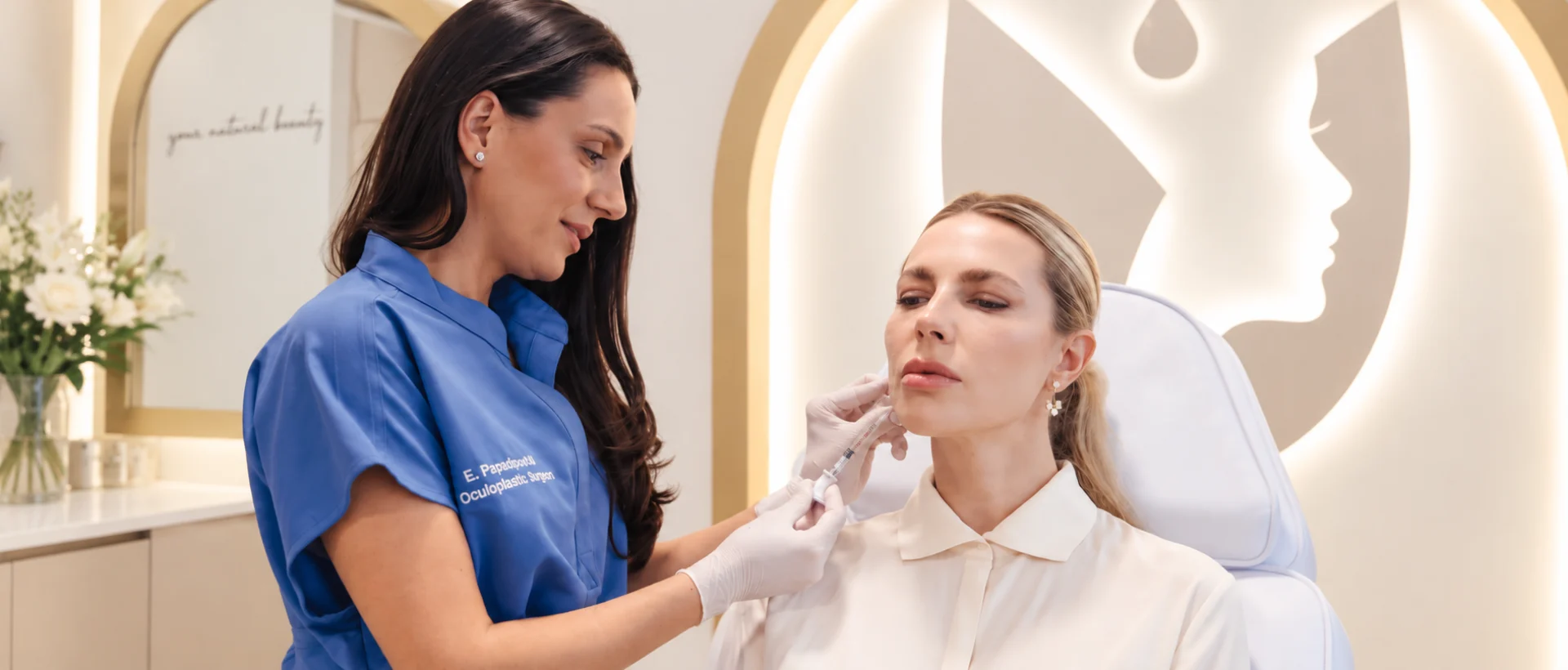
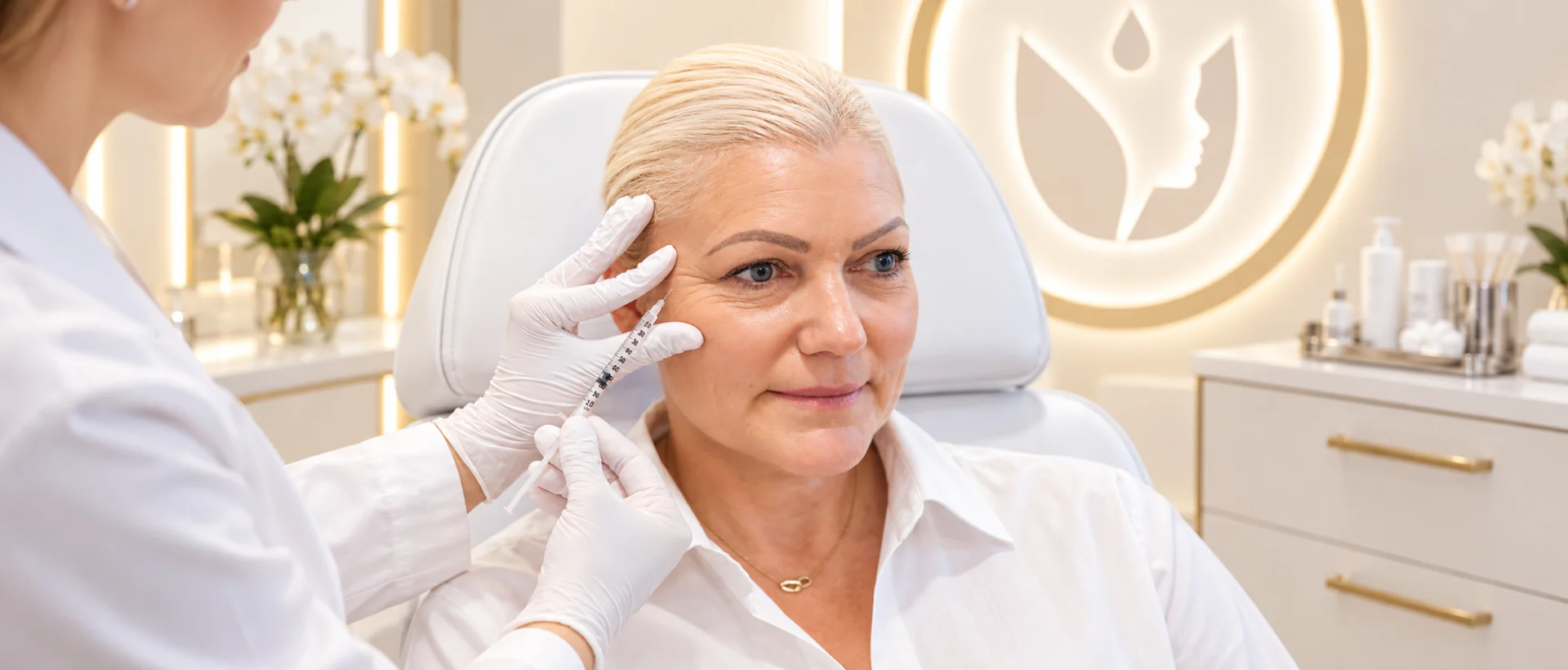
The prepared product or device treatment is applied systematically to the selected scalp areas. The treatment response is monitored.

Progress is monitored with photographs and the plan is adjusted according to response and diagnosis. Follow-up timing is confirmed clearly.
Share your medical history, allergies, medicines and previous procedures, and do not stop prescribed medicine unless the prescribing clinician advises it. Postpone treatment for active scalp infection and complete any requested blood tests or medical review.
Keep the scalp clean, avoid scratching and follow advice about washing, exercise, heat and topical hair products. Contact the clinic promptly if symptoms become severe, unusual or progressively worse during recovery.
2-3 Months A meaningful response is usually assessed after 6-12 months with standardised photographs. Any benefit depends on the diagnosis and continued management; hereditary hair loss usually requires ongoing maintenance. Maintenance is personalised and may include repeated clinic sessions and evidence-based home treatment.
Exact treatment planning and pricing are confirmed during consultation.
Prices may vary depending on product, amount, and treatment combination.

The goal is to reduce suitable hair shedding and support thicker-looking growth using the patient’s own platelet-rich plasma after identifying the type and cause of hair loss. Progress is reviewed against agreed goals.

The practitioner should confirm the diagnosis, suitability, realistic outcome and consent before treatment. Diagnose scarring versus non-scarring hair loss and refer promptly when disease activity is suspected.
Make an Appointment >
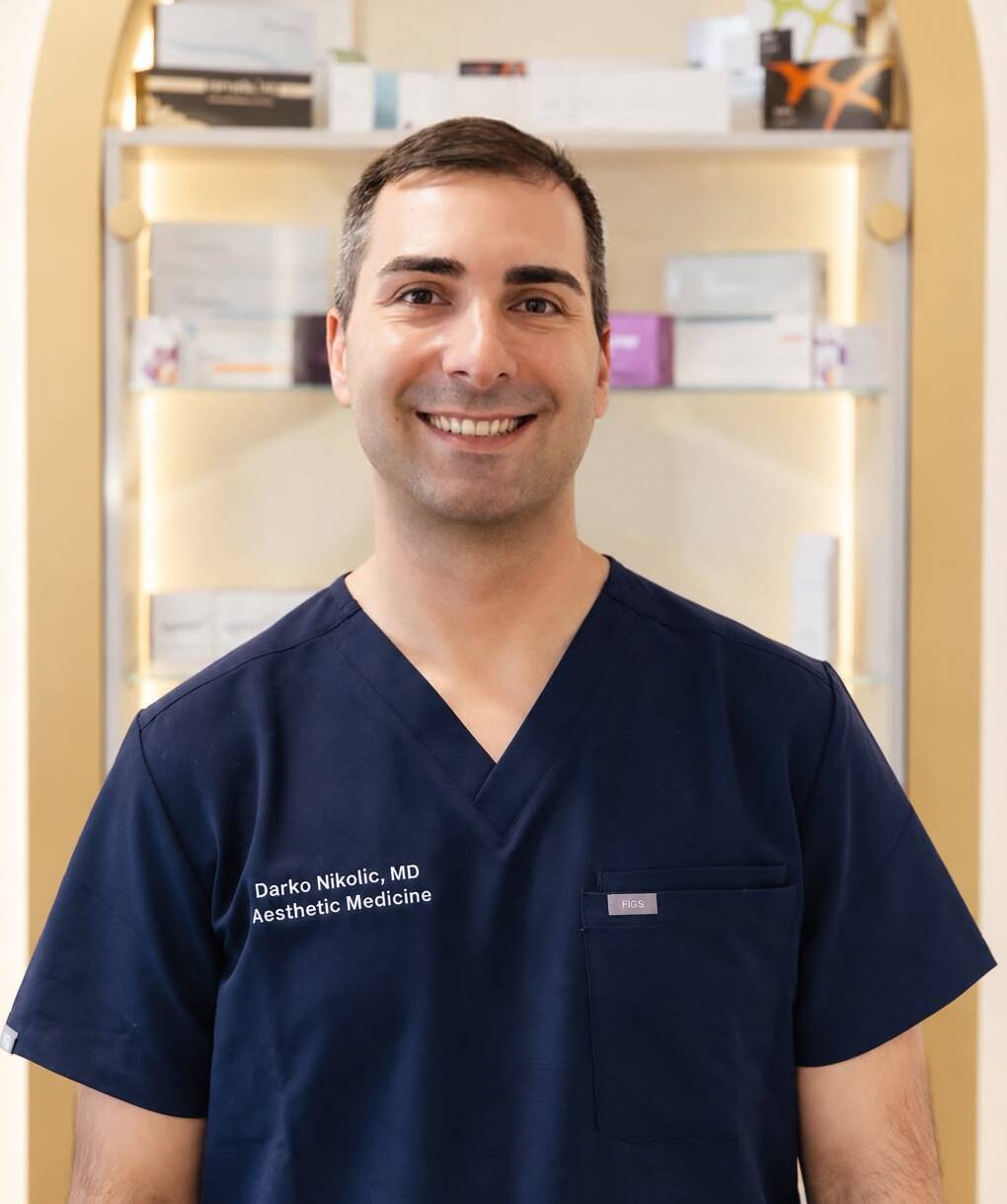
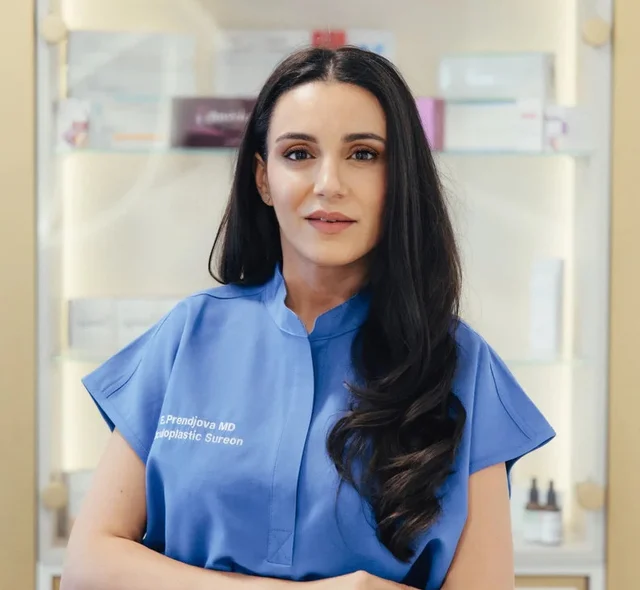
Specialist physician focused on personal consultation, medical responsibility and balanced treatment planning.
View Details →
Specialist physician providing individual medical care with attention to safety, proportion and patient goals.
View Details →
Head of Medical Cosmetics & Aesthetic Technologies with a focus on skin analysis, individual goals and long-term treatment planning.
View Details →
It is generally well tolerated in suitable patients when performed by a qualified practitioner after medical screening, but no treatment is risk-free. The cause of hair loss should be diagnosed before a procedure is started.

Downtime is usually 0-2 days. Normal activity follows clinical advice. Mild scalp swelling or tenderness can last 1-2 days. Duration varies with the treated area and individual response.

Temporary scalp redness, tenderness, swelling, pinpoint bleeding, headache or bruising can occur. These effects are usually temporary.

The plan may include minoxidil, prescription treatment, nutritional correction, low-level light therapy or transplant referral when appropriate.
Find direct answers about PRP Hair Restoration, suitability, results, and aftercare.
PRP Hair Restoration uses platelet-rich plasma prepared from the patient’s own blood to reduce suitable hair shedding and support thicker-looking growth using the patient’s own platelet-rich plasma. Individual assessment remains essential before treatment.
The appointment usually takes 30-75 minutes. Reduced shedding or early improvement may be noticed after 2-3 months. A meaningful response is usually assessed after 6-12 months with standardised photographs. Any benefit depends on the diagnosis and continued management; hereditary hair loss usually requires ongoing maintenance. Maintenance is personalised and may include repeated clinic sessions and evidence-based home treatment.
Discomfort is usually rated around 2-3 out of 10, although each person's experience can differ. Topical or local anaesthesia may be used for injections or microneedling. Downtime is usually 0-2 days. Normal activity follows clinical advice. Mild scalp swelling or tenderness can last 1-2 days. Duration varies with the treated area and individual response. Temporary scalp redness, tenderness, swelling, pinpoint bleeding, headache or bruising can occur. These effects are usually temporary.
Consider this service after a clinician has diagnosed the hair-loss pattern and explained standard medical and procedural options. A consultation should confirm suitability, alternatives and realistic expectations. Individual assessment remains essential before proceeding. It is generally well tolerated in suitable patients when performed by a qualified practitioner after medical screening, but no treatment is risk-free. The cause of hair loss should be diagnosed before a procedure is started. Share your medical history, allergies, medicines and previous procedures, and do not stop prescribed medicine unless the prescribing clinician advises it. Postpone treatment for active scalp infection and complete any requested blood tests or medical review. Keep the scalp clean, avoid scratching and follow advice about washing, exercise, heat and topical hair products. Contact the clinic promptly if symptoms become severe, unusual or progressively worse during recovery.