01
Initial consultation
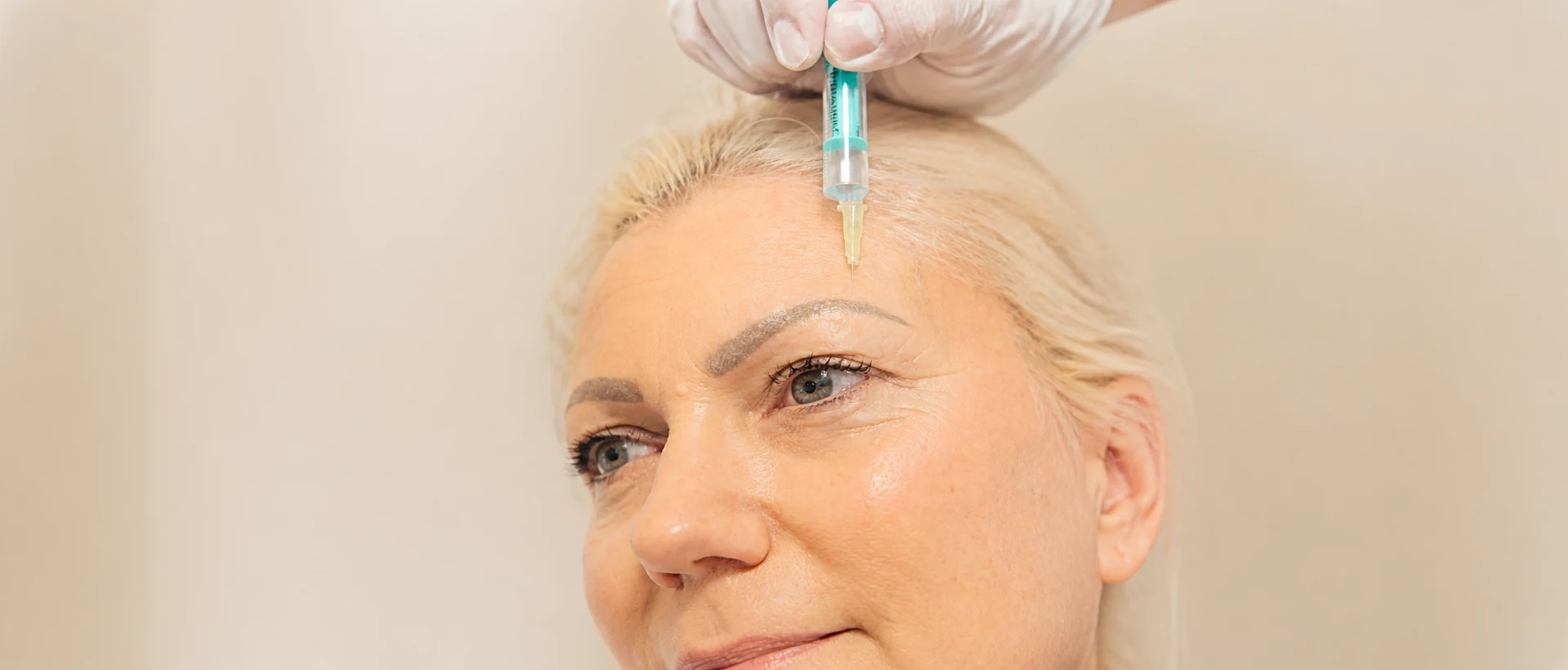
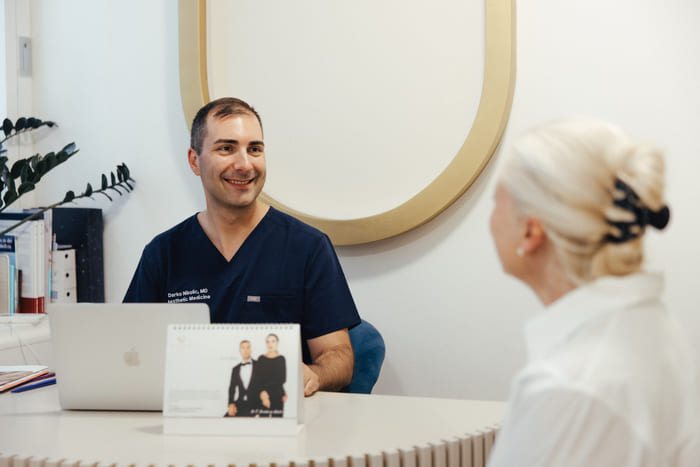
The clinician examines the eyelids and eyes, reviews health, medicines and goals, and explains alternatives. Important alternatives are also discussed.

NATURAL. SUBTLE. YOU.
Chalazion Surgery is a minor eyelid operation

The goal is to relieve a persistent chalazion while protecting the eyelid and eye surface. The outcome should suit the individual’s anatomy and treatment priorities. Progress is reviewed against agreed goals.

Chalazion Surgery is a minor eyelid operation that drains or removes a persistent blocked eyelid-gland lump. The plan is adjusted to the patient’s anatomy, concerns and realistic expectations.

Consider this procedure when a chalazion persists despite appropriate conservative care or affects comfort or vision. A consultation should confirm suitability, alternatives and realistic expectations. Individual assessment remains essential before proceeding.
Each appointment is planned around your anatomy, goals, and medical suitability.
The clinician examines the eyelids and eyes, reviews health, medicines and goals, and explains alternatives. Important alternatives are also discussed.
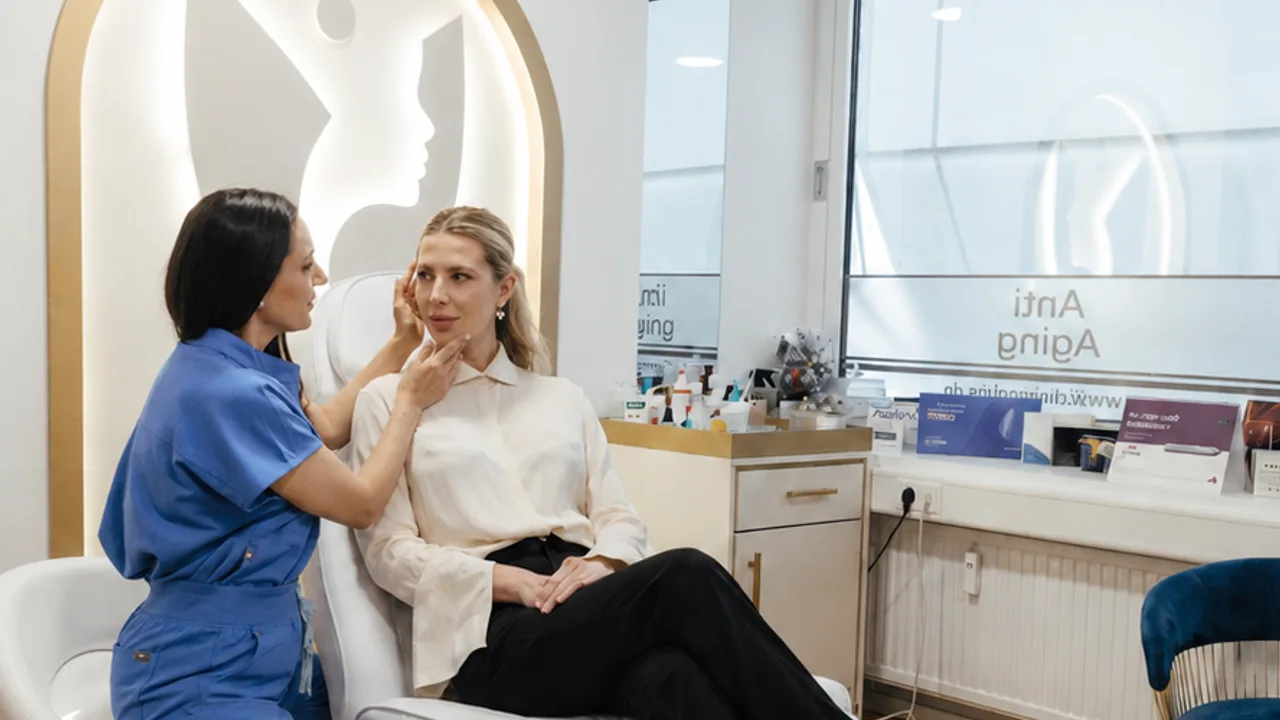
The treatment area is marked, cleaned and anaesthesia is given. Comfort, markings and skin protection are checked.

The planned surgical correction is completed and bleeding is controlled. The tissue response is monitored throughout. The treatment response is monitored.

The wound is closed or dressed, recovery is monitored and written aftercare is provided. Follow-up timing is confirmed clearly.
Share your medical history, allergies, medicines and previous procedures, and do not stop prescribed medicine unless the prescribing clinician advises it. Arrange transport if sedation is planned, follow fasting instructions and report infection, eye irritation or a change in vision.
Use prescribed eye care, cold compresses and head elevation as directed, protect the wound and seek urgent help for severe pain, bleeding or any visual change. Urgent concerns should be reported promptly.
1-2 Weeks The wound and scar are usually reviewed over several weeks, with scar maturation continuing for months. Removal can be lasting, but some conditions can recur. Routine wound and scar reviews are arranged, with later treatment only if medically needed.
Exact treatment planning and pricing are confirmed during consultation.
Prices may vary depending on product, amount, and treatment combination.

The goal is to relieve a persistent chalazion while protecting the eyelid and eye surface. The outcome should suit the individual’s anatomy and treatment priorities. Progress is reviewed against agreed goals.

Document eye examination, surgical indication, consent, anaesthesia plan, pathology requirements and postoperative eye-protection instructions. Record clinical reasoning and follow-up.
Make an Appointment >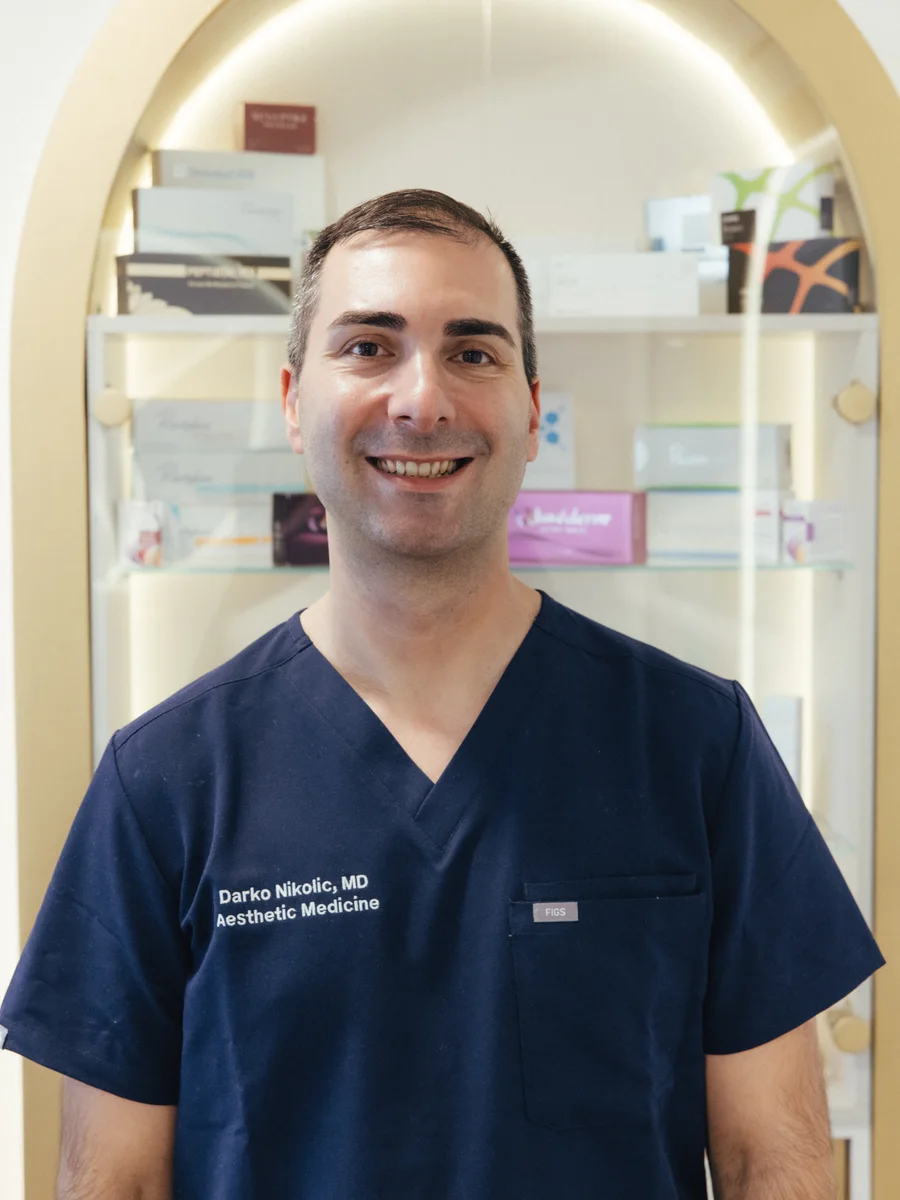
Specialist physician focused on personal consultation, medical responsibility and balanced treatment planning.
View Details →Specialist physician providing individual medical care with attention to safety, proportion and patient goals.
View Details →
Head of Medical Cosmetics & Aesthetic Technologies with a focus on skin analysis, individual goals and long-term treatment planning.
View Details →
Surgery should be performed by an appropriately qualified clinician in a suitable facility after examination, consent and a plan for complications. The clinic must maintain appropriate complication-management and emergency procedures. Clear informed consent remains essential.

Downtime is usually 2-7 days. Normal activity follows clinical advice. Mild swelling usually lasts several days. Duration varies with the treated area and individual response.

Bruising, swelling, tightness, watering, dryness, temporary blurred vision and scar tenderness can occur. These effects are usually temporary.
Surgery may be combined with brow, skin or injectable treatment only when the surgeon considers the timing and eye-surface health safe.
Find direct answers about Chalazion Surgery, suitability, results, and aftercare.
Chalazion Surgery is a minor eyelid operation that drains or removes a persistent blocked eyelid-gland lump. The plan is adjusted to the patient’s anatomy, concerns and realistic expectations.
The procedure usually takes 20-45 minutes. The change is visible early, but bruising and swelling usually hide the result for 1-2 weeks. The wound and scar are usually reviewed over several weeks, with scar maturation continuing for months. Removal can be lasting, but some conditions can recur. Routine wound and scar reviews are arranged, with later treatment only if medically needed.
Discomfort is usually rated around 2-3 out of 10, although each person's experience can differ. Local anaesthesia is normally used. Downtime is usually 2-7 days. Normal activity follows clinical advice. Mild swelling usually lasts several days. Duration varies with the treated area and individual response. Bruising, swelling, tightness, watering, dryness, temporary blurred vision and scar tenderness can occur. These effects are usually temporary.
Consider this procedure when a chalazion persists despite appropriate conservative care or affects comfort or vision. A consultation should confirm suitability, alternatives and realistic expectations. Individual assessment remains essential before proceeding. Surgery should be performed by an appropriately qualified clinician in a suitable facility after examination, consent and a plan for complications. The clinic must maintain appropriate complication-management and emergency procedures. Clear informed consent remains essential. Share your medical history, allergies, medicines and previous procedures, and do not stop prescribed medicine unless the prescribing clinician advises it. Arrange transport if sedation is planned, follow fasting instructions and report infection, eye irritation or a change in vision. Use prescribed eye care, cold compresses and head elevation as directed, protect the wound and seek urgent help for severe pain, bleeding or any visual change. Urgent concerns should be reported promptly.