01
Initial consultation
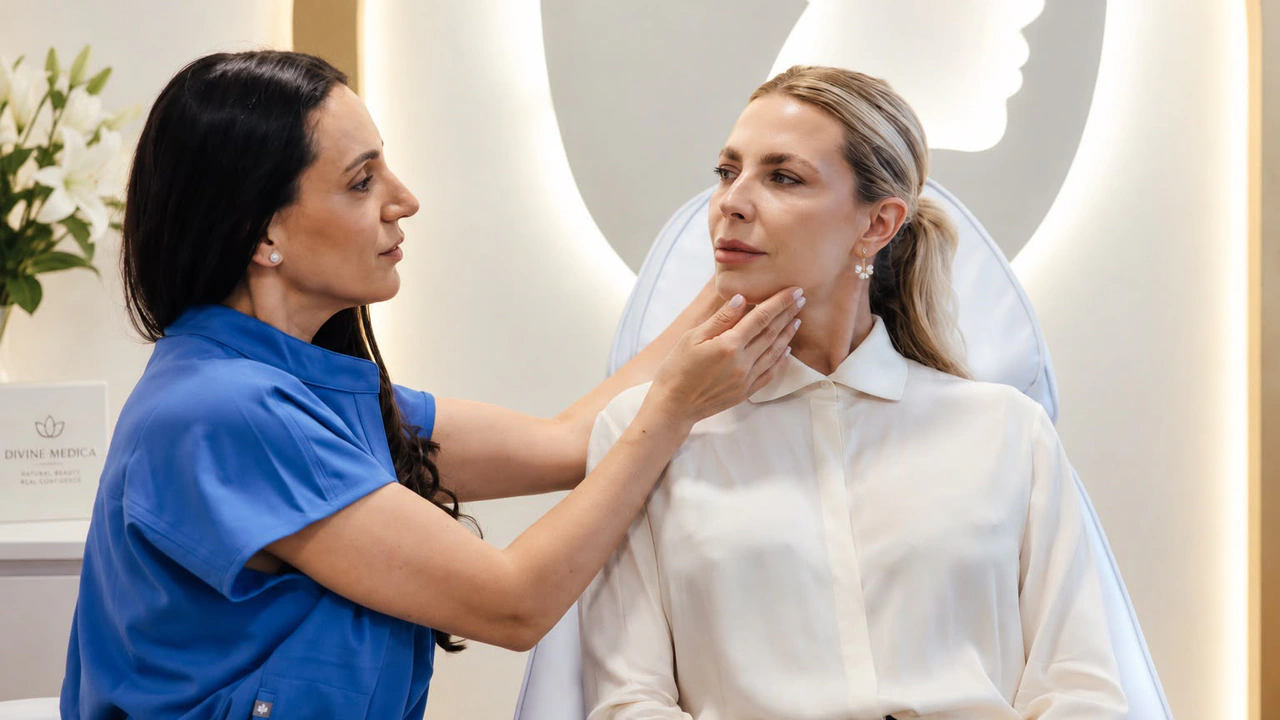
We examine the area, review your medical history and skin type, and explain the treatment and recovery.
NATURAL. SUBTLE. YOU.
Soften visible stretch marks with treatment tailored to their texture and colour.
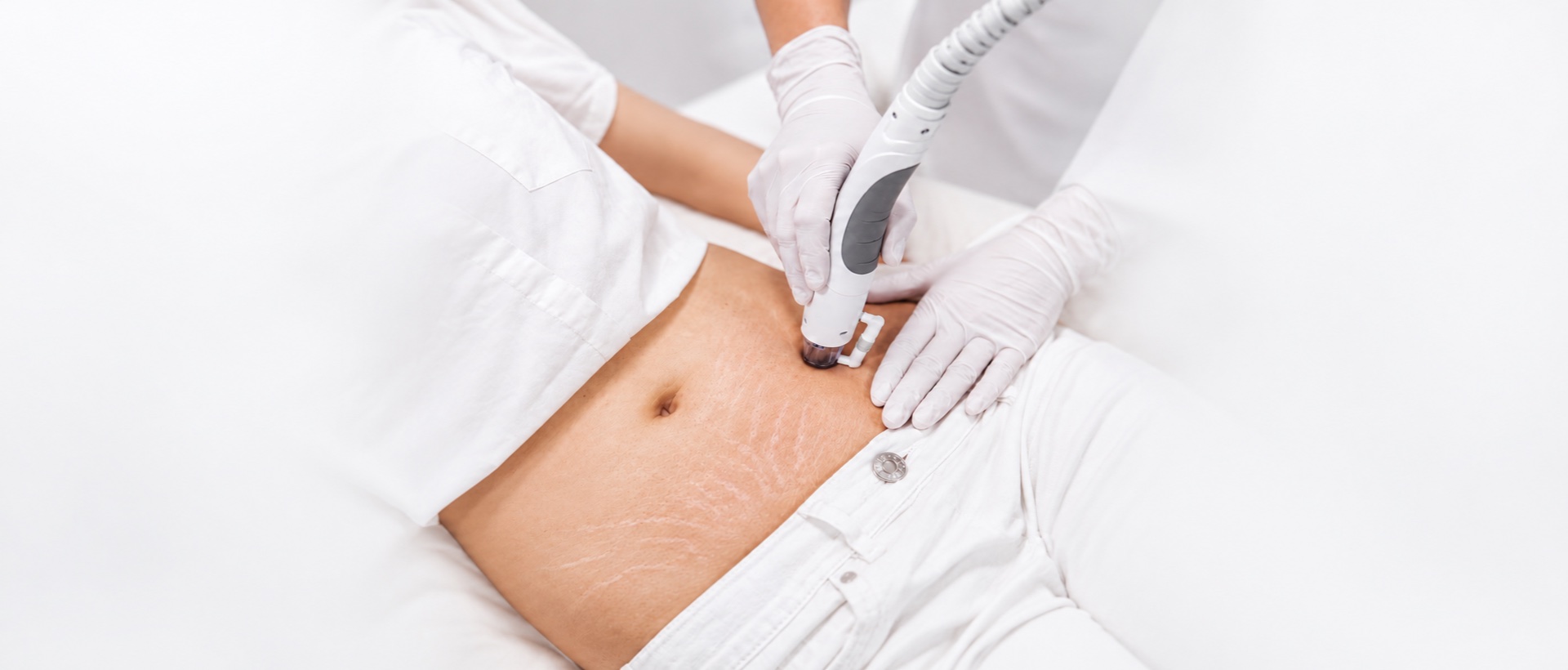
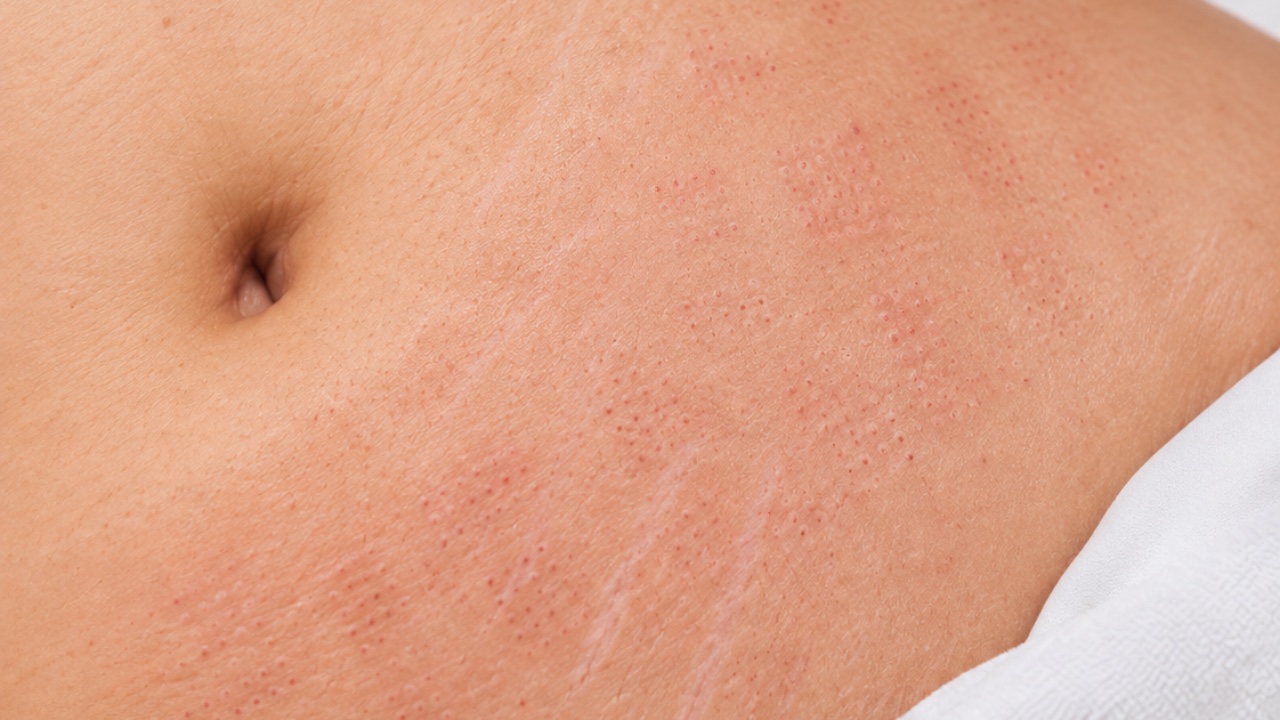
Make suitable stretch marks less noticeable with a plan that coordinates selected skin-remodelling treatments. The marks’ age, colour and texture guide the choice and sequence of care, improving the appearance of the affected area and the feel of the surrounding skin.
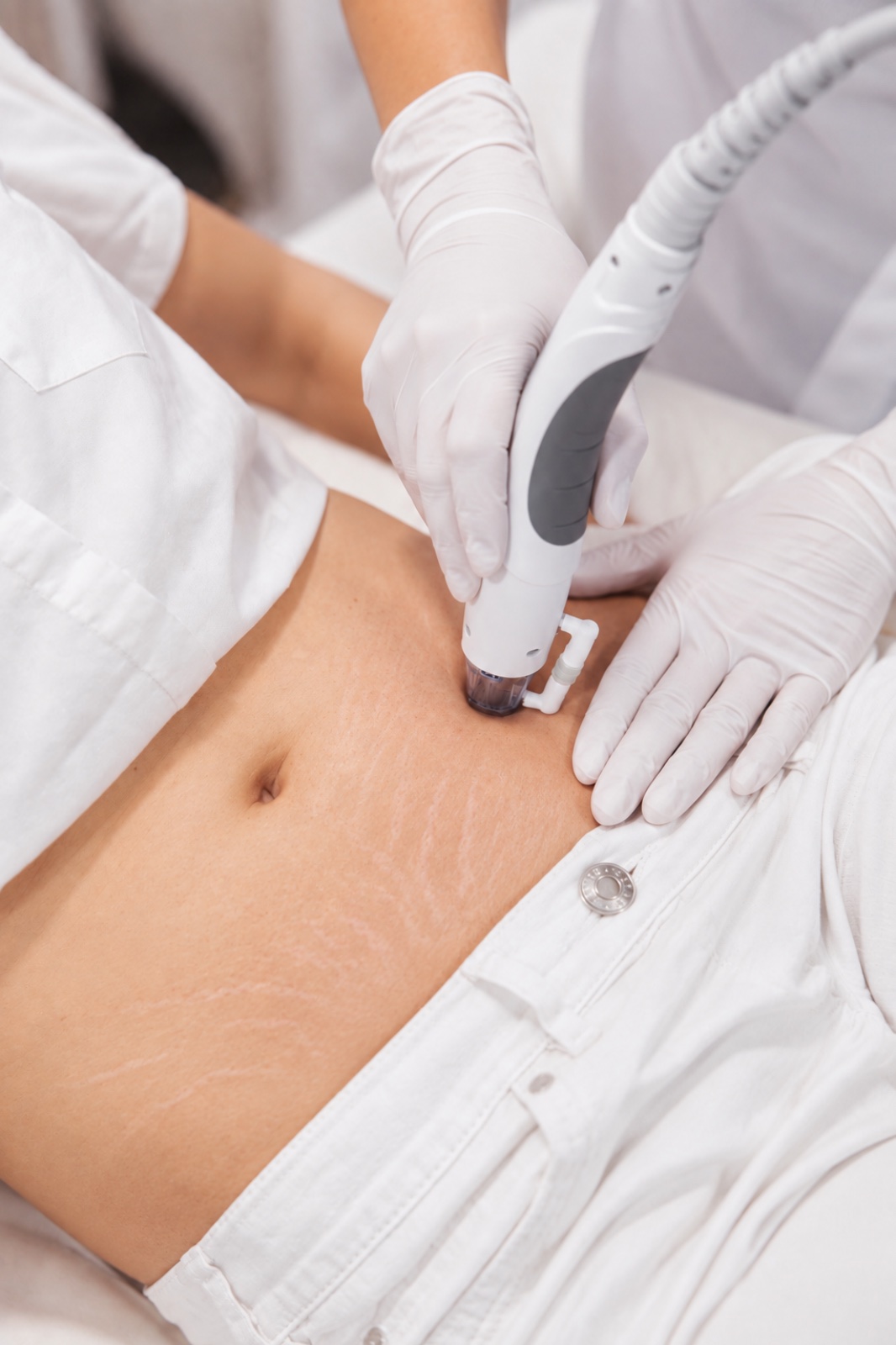
Stretch mark treatment can include RF microneedling, which delivers brief heat impulses through fine needle tips. The method, needle depth and energy are chosen around the marks’ colour, age, depth and location.
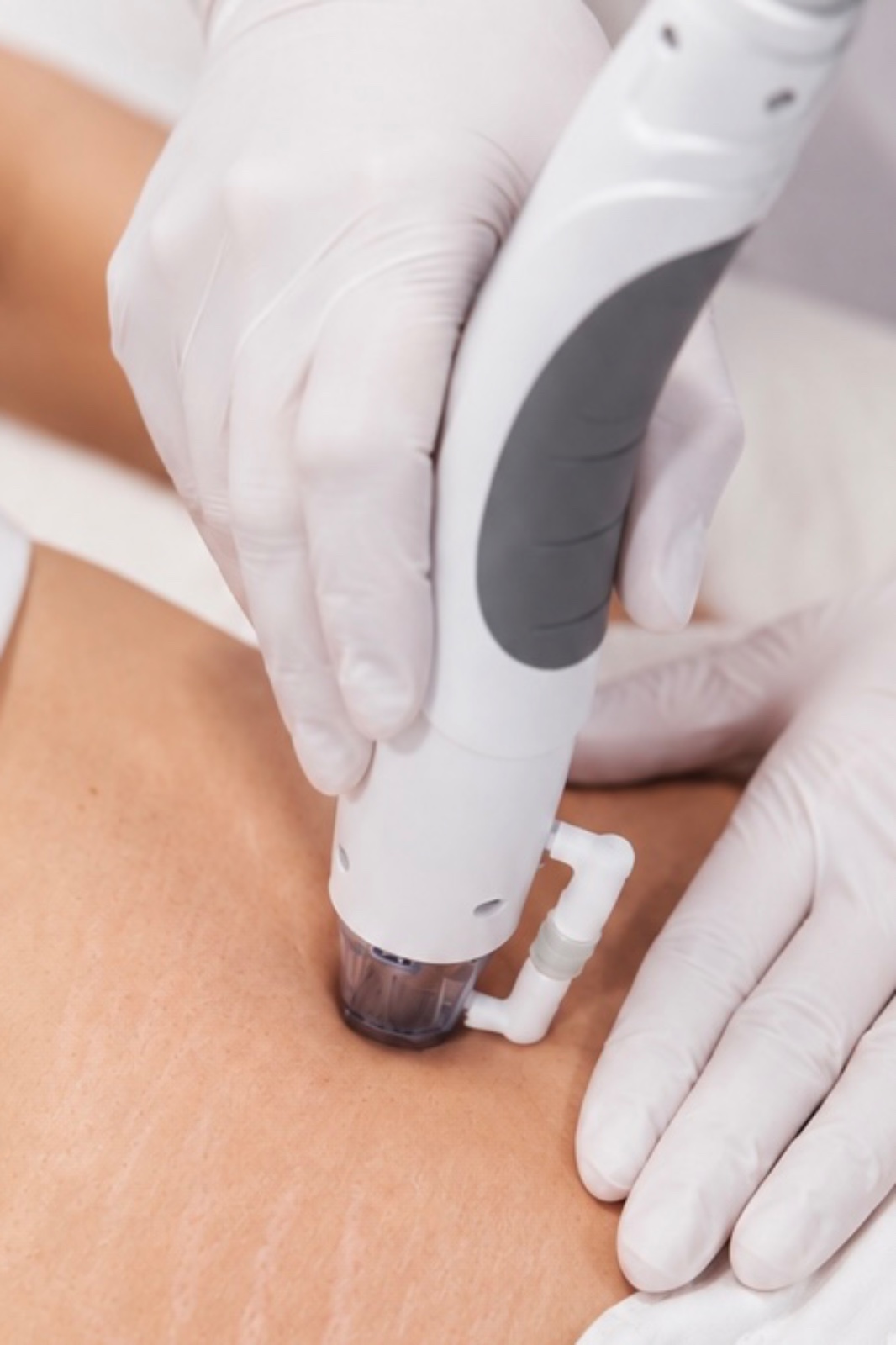
Consider stretch-mark treatment when the marks’ visibility or texture concerns you. Their age, colour and location help determine which skin-remodelling approach to use and how to sequence treatment.
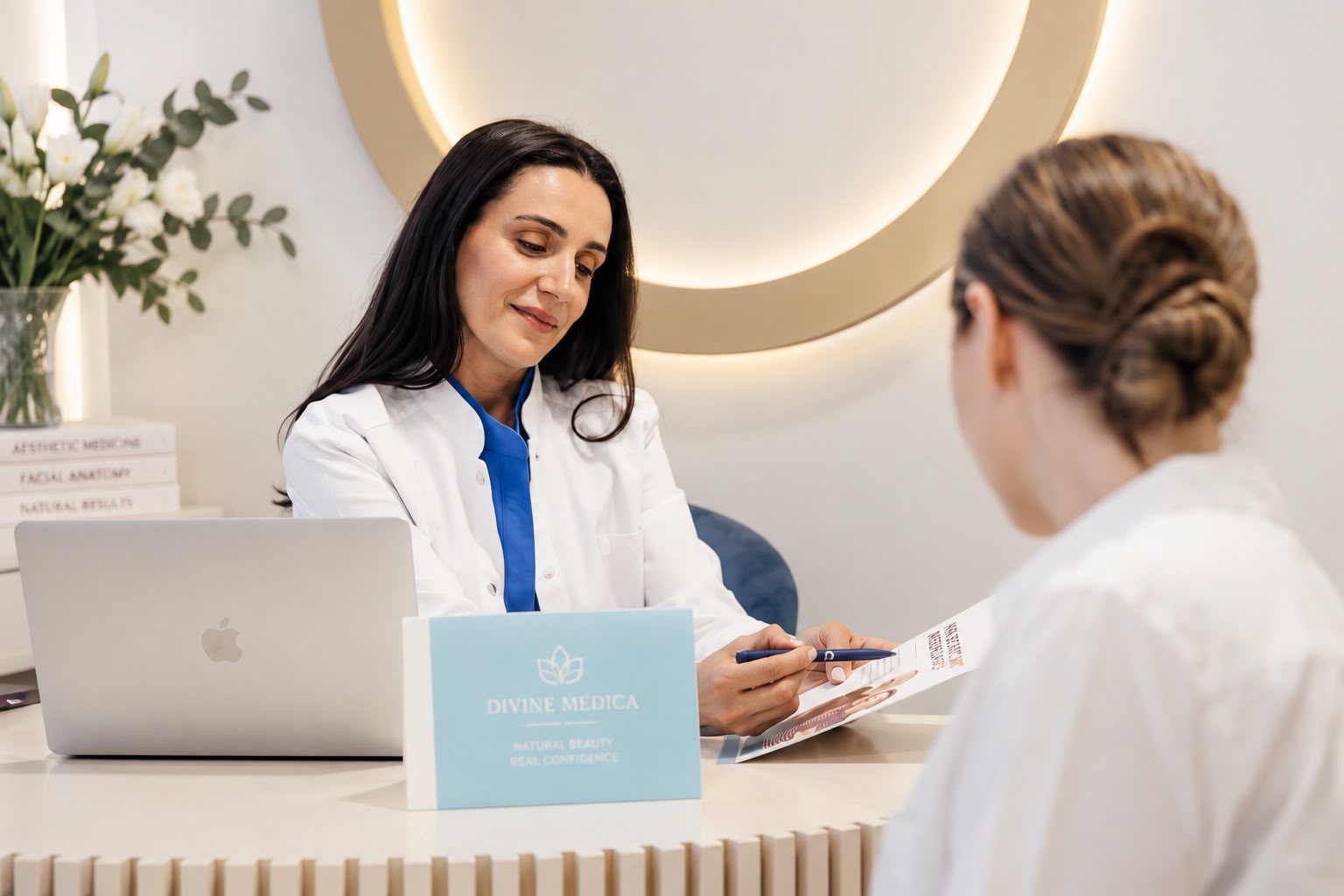
Your skin type, diagnosis and previous treatment guide device selection and settings. Risks include burns, pigment change, infection and scarring. Eye protection and a clear recovery plan form part of treatment where relevant.
Here’s what to expect at each stage, from your consultation to your follow-up.
We examine the area, review your medical history and skin type, and explain the treatment and recovery.
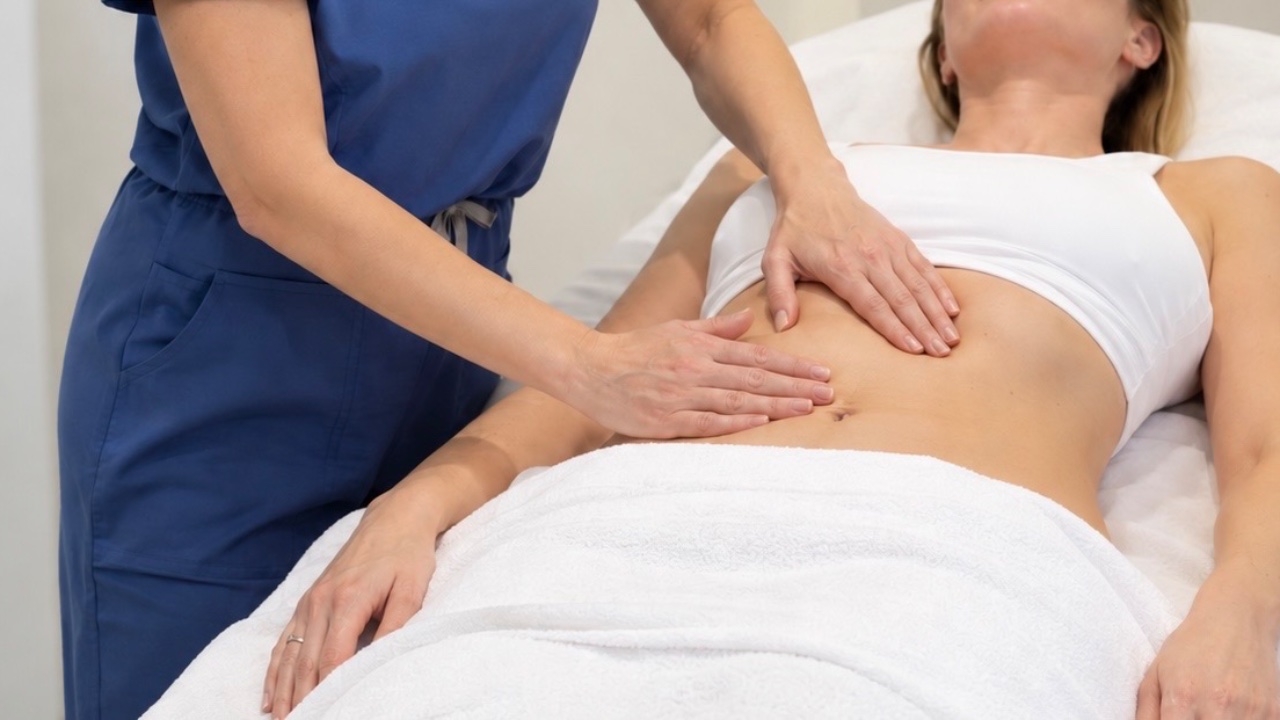
The area is cleaned, photographed and prepared, and protective measures are applied.
The device is applied in controlled passes with settings adjusted to the tissue response.
The skin is cooled or protected, aftercare is explained and follow-up is planned.
Share your medical history, allergies, medicines and previous procedures, and do not stop prescribed medicine unless the prescribing clinician advises it. Avoid tanning and postpone treatment for active infection, open wounds or unexplained lesions.
Use gentle skincare and high sun protection, avoid picking or strong active products, and follow the clinic’s instructions about heat and exercise.
Early improvements in stretch-mark texture develop over 2-4 weeks, helping the marks gradually blend more closely with the surrounding skin. The fuller result is assessed 3-6 months after the course, with further sessions focused on the marks that remain most noticeable.
Exact treatment planning and pricing are confirmed during consultation.
Prices may vary depending on product, amount, and treatment combination.
Find direct answers about Stretch Mark Treatments, suitability, results, and aftercare.
Your clinician looks at colour, depth, location and skin type. Those findings help select the method and explain the change the treatment is intended to achieve.
Appointments usually take 45-90 minutes. Early changes are usually seen within 2-4 weeks. The best result is usually assessed 3-6 months after a course. Improvement can be long-lasting, but stretch marks are rarely removed completely. More than one session is usually needed, followed by maintenance only if useful.
Discomfort is typically rated 2-3 out of 10. Topical numbing is available when appropriate. Expected downtime is 3-7 days. Follow your aftercare guidance when returning to exercise and other activities. Mild to moderate swelling can last 1-3 days.
Use gentle skincare and high sun protection, avoid picking or strong active products, and follow the clinic’s instructions about heat and exercise.
Expected downtime is 3-7 days. Follow your aftercare guidance when returning to exercise and other activities. Mild to moderate swelling can last 1-3 days.
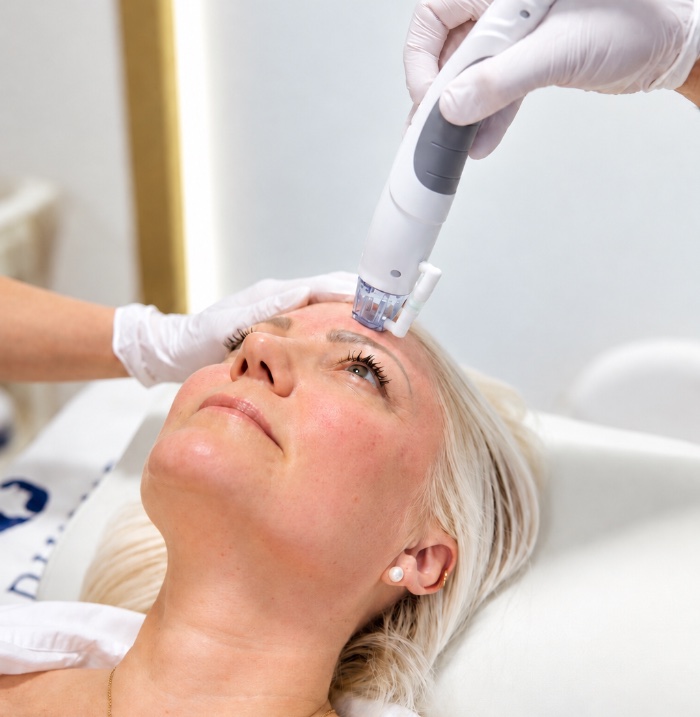
Temporary redness, warmth, tenderness, dryness, swelling, crusting or peeling can occur depending on treatment depth.
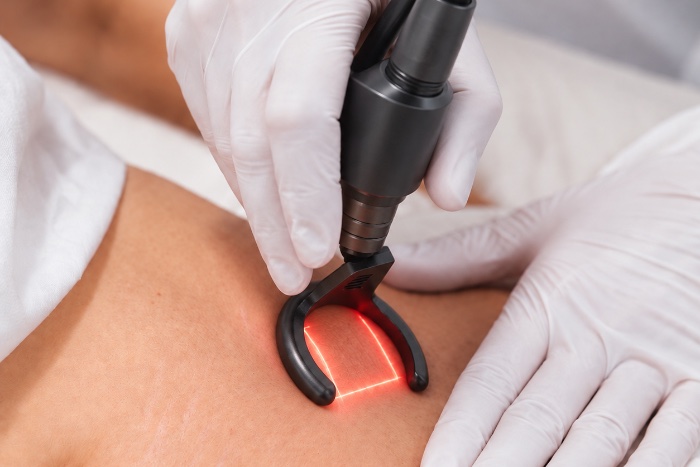
Treatment can be coordinated with skincare, injectables or other devices only when the skin has healed and the sequence is clinically planned.

At DIVINE Medica, our doctors and aesthetic specialists take time to listen and help you make informed choices. You’ll find clear advice, a plan built around your needs and personal support throughout your care at our Munich clinic.
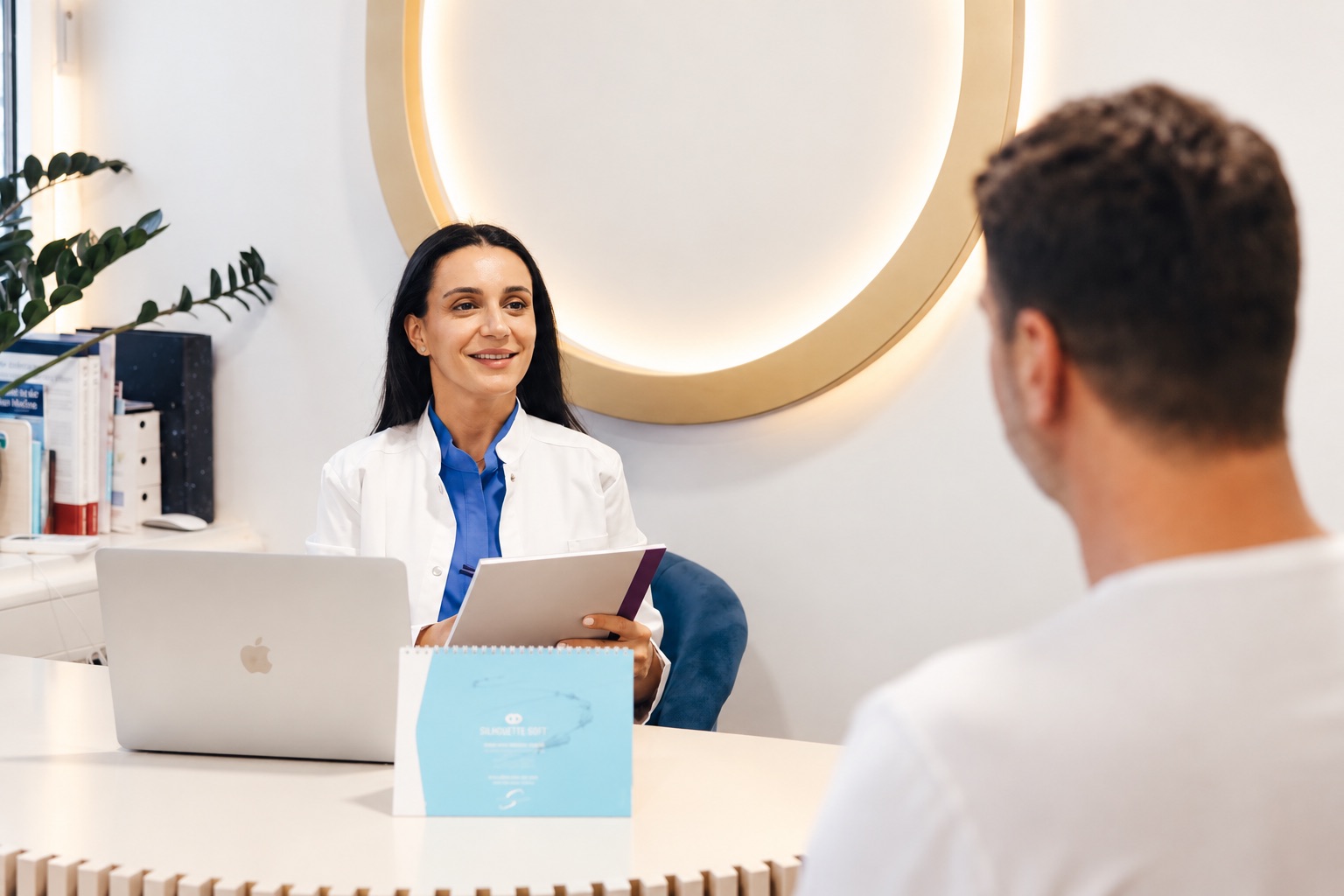
During your consultation, we discuss your goals, medical history and suitable treatment options. We explain what to expect, possible risks and aftercare, and take time to answer your questions.
A 30-minute consultation costs €75.
Make an Appointment >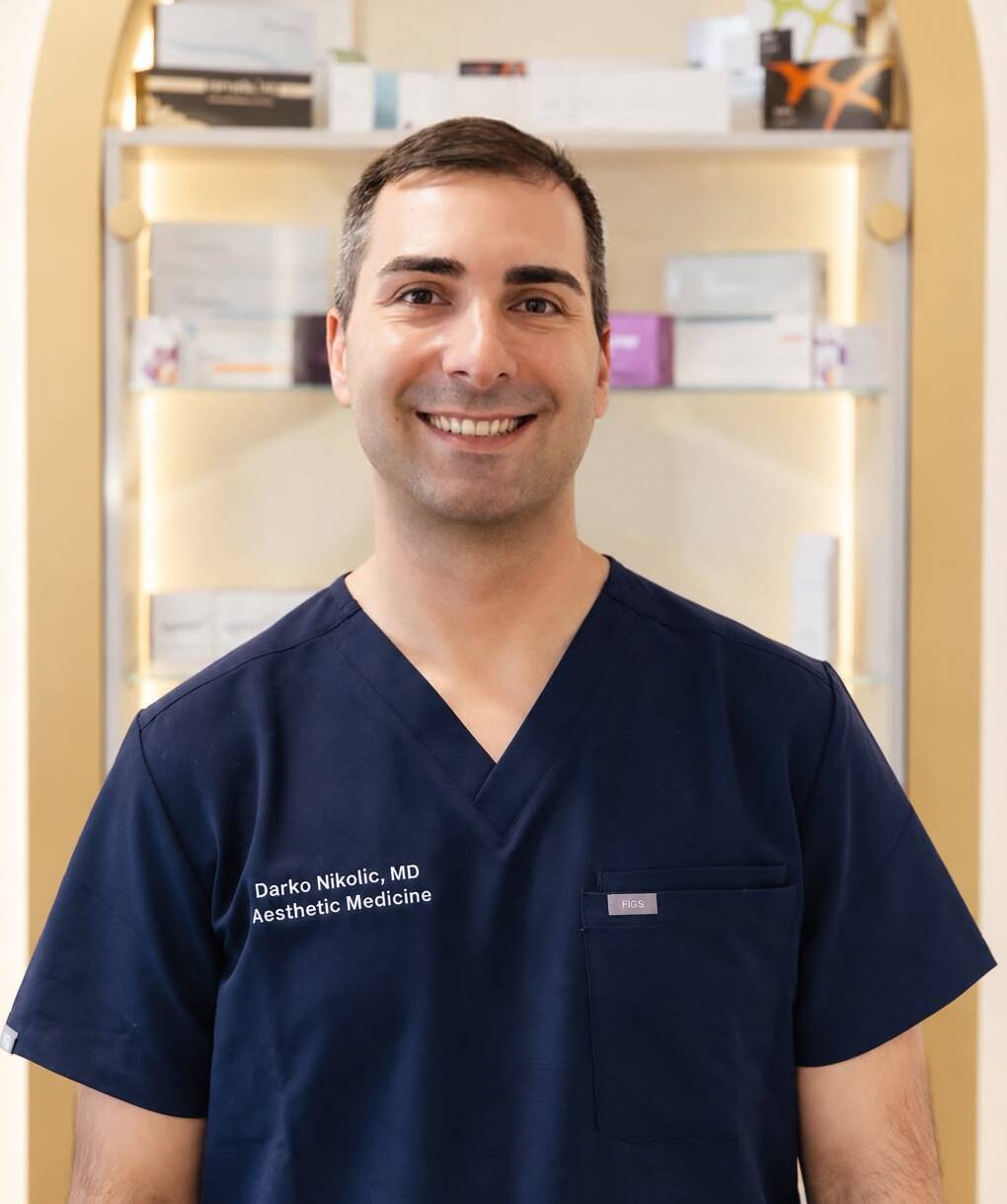
Specialist physician focused on personal consultation, medical responsibility and balanced treatment planning.
View Details →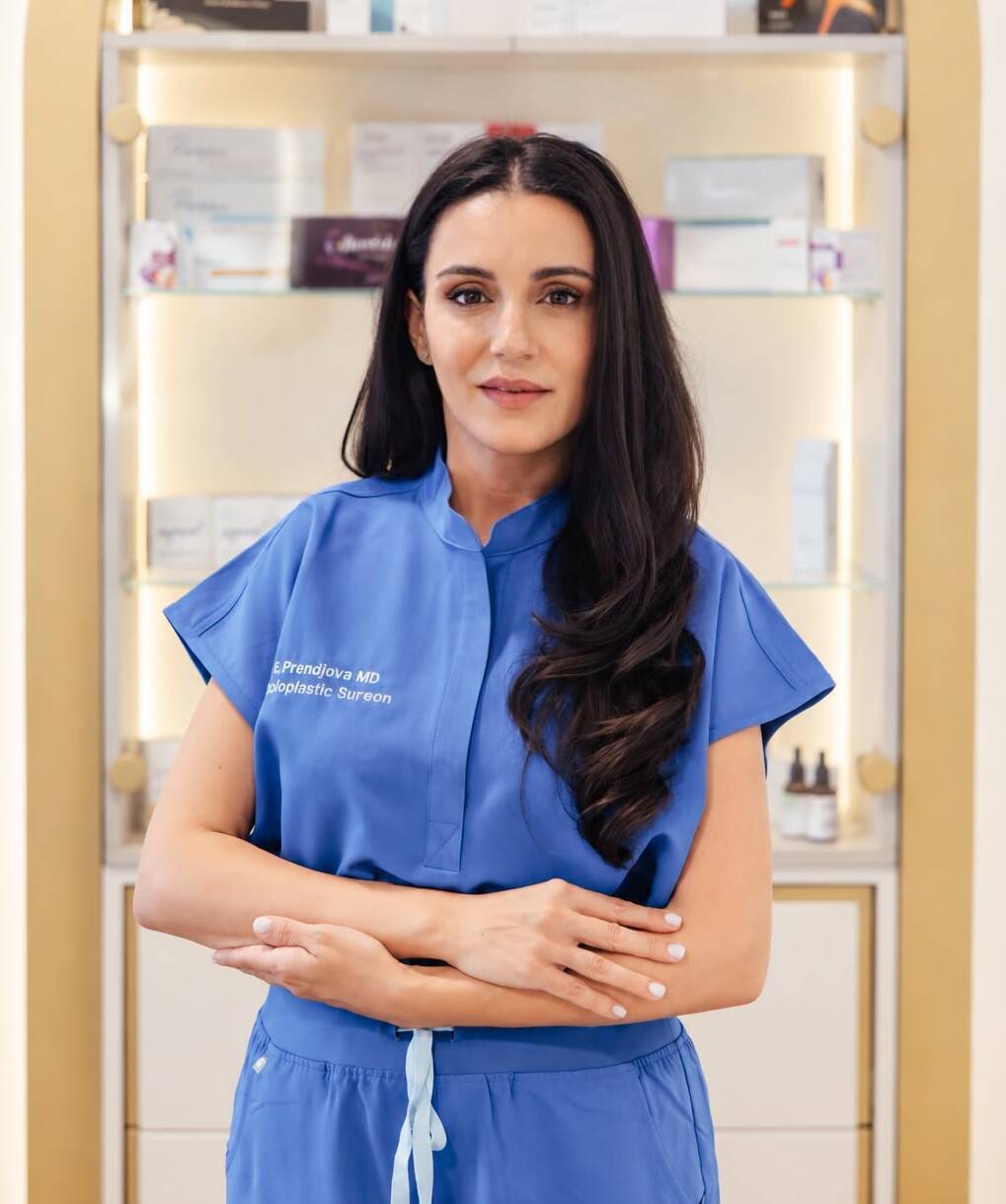
Specialist physician providing individual medical care with attention to safety, proportion and patient goals.
View Details →
Head of Medical Cosmetics & Aesthetic Technologies with a focus on skin analysis, individual goals and long-term treatment planning.
View Details →Visit our private practice for aesthetic medicine in the heart of Munich. We take time for your questions and personal consultation.
Discover our clinic spaces.
Modern, discreet and designed with great attention to detail.