Initial consultation
We ask which product was injected, when, how much and in which area. Previous records and photographs can be helpful. If the type or location of the material is unclear, an additional assessment such as ultrasound may be useful.

NATURAL. SUBTLE. YOU.
We assess unwanted filler results and discuss targeted correction with hyaluronidase.
Excess volume, uneven contours or persistent symptoms after filler treatment should first be assessed carefully. If hyaluronic acid is the cause and dissolving it is appropriate, hyaluronidase may help. We discuss which areas of filler should ideally be reduced and what changes you can expect.

Hyaluronidase is an enzyme that breaks down hyaluronic acid. It can be used to correct unwanted results from hyaluronic acid fillers. Other filler materials, such as calcium hydroxylapatite or permanent fillers, cannot be dissolved in the same way.
Its effect cannot be limited with millimetre precision. Nearby hyaluronic acid filler and the body's own hyaluronic acid may also be affected. It is therefore not possible to guarantee a precisely controlled partial correction or a complete return to your previous appearance.
Using hyaluronidase to dissolve filler often falls outside the medicine’s approved indication. We discuss this off-label use with you personally in relation to the specific product being used.

Dissolving filler may be appropriate for overcorrection, migrated material or selected irregularities. Some persistent swelling can also be related to existing hyaluronic acid filler.
Not every lump or swelling should automatically be dissolved. Inflammation or infection requires an accurate diagnosis first. Recent, uncomplicated swelling may also be better reassessed after it has had time to settle.
If you notice urgent warning signs such as severe, unusual pain, abnormal skin discolouration or changes in vision, seek immediate medical care rather than waiting for a routine consultation.


Hyaluronidase can cause allergic reactions, including serious reactions in rare cases. We therefore review your medical history and perform treatment in a setting where acute reactions can be treated medically.
The effect may be stronger or less complete than expected. We explain this uncertainty beforehand and support you as the result develops.
We tailor the correction to the material involved, where it is located and the reason for your symptoms.

We ask which product was injected, when, how much and in which area. Previous records and photographs can be helpful. If the type or location of the material is unclear, an additional assessment such as ultrasound may be useful.

We document the findings and discuss the goal, limitations and risks. Previous reactions to hyaluronidase, medications and bee or wasp stings are particularly important. If a relevant allergy is suspected, we clarify the appropriate next steps before a planned aesthetic treatment.

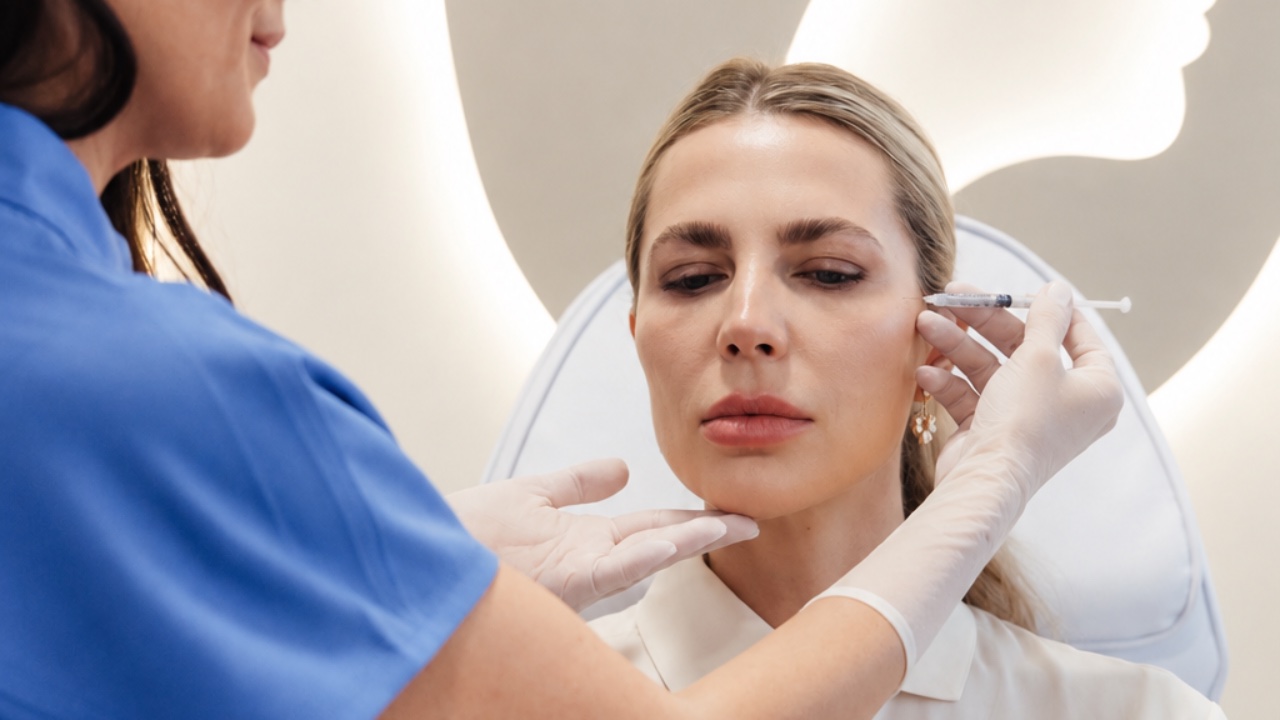
Hyaluronidase is injected into the selected areas. How it is used depends on our assessment and how the filler responds. More than one treatment may be necessary.

We observe the immediate response and arrange follow-up. Only after swelling has settled sufficiently do we assess whether unwanted material remains or whether any further treatment is needed.
If possible, bring details of previous fillers and any previous dissolving treatments. Tell us about allergies, relevant medical conditions and medications. Please describe any previous reactions to bee or wasp stings and injected medicines in detail. Do not stop medication without medical advice.
Keep the area clean and avoid massaging it yourself or having further cosmetic treatments unless this has been discussed with us. We explain which early changes you can expect. If you develop difficulty breathing, circulatory problems or rapidly increasing swelling of the face or neck, seek immediate medical help. Do not wait for a message or follow-up appointment.
A change may begin within hours, although early swelling can partly mask the effect. We assess the aesthetic result once the tissue has settled sufficiently. Depending on the product, degree of cross-linking, amount and distribution, several sessions may be needed. Filler that has already been broken down does not reform, although some residual material may remain. Once volume is reduced, previously hidden hollows or skin laxity may become more visible. We discuss the next steps after follow-up.
Download the key preparation and aftercare guidance as a PDF.
We explain the planned extent of treatment in advance and whether more than one session is likely to be needed.
Prices may vary depending on product, amount, and treatment combination.
Answers to your questions about dissolving filler and planning what comes next.
Hyaluronidase breaks down hyaluronic acid and can therefore reduce certain hyaluronic acid fillers. It does not act in the same way on all other filler materials. The amount of filler that will be dissolved cannot be predicted precisely.
The appointment usually takes around 20–45 minutes. Changes can begin within hours. Swelling may initially mask the effect, and more than one treatment is sometimes needed.
Temporary burning, swelling and bruising may occur. How long these last depends on the area treated, the extent of treatment and your individual response. We explain which symptoms may indicate an allergic reaction.
It may be appropriate for certain unwanted results or symptoms caused by hyaluronic acid filler. We first establish the cause. Afterwards, attend the agreed follow-ups and have unusual symptoms assessed promptly. Difficulty breathing or rapidly increasing swelling of the face or neck requires immediate medical help.

Temporary swelling, redness and bruising may occur. The contour can continue to change as swelling settles. Recovery within one to three days cannot be guaranteed for every treatment area.

Burning, tenderness, swelling and allergic reactions are possible. Loss of volume may reveal asymmetries or hollows that were previously concealed. Persistent or worsening symptoms should be medically assessed.

We consider another filler treatment only after the tissue has settled sufficiently and the reason for the original problem has been clarified. A longer interval may be needed after inflammatory reactions. Sometimes no further injection is needed. If a new correction is appropriate, we discuss the product, amount and placement based on the current findings.

An unwanted filler result can be distressing. We take your concerns seriously and first assess what has caused the change. Together, we develop a clear correction plan rather than assuming that more filler should be added straight away.

Whether the concern is overfilling, an uneven contour or symptoms, we assess the treated area and determine whether hyaluronidase is appropriate. Depending on the cause, waiting or choosing a different treatment may also be the better option.
A 30-minute consultation costs €75.
Book a consultation >
Specialist in anaesthesiology with a focus on aesthetic medicine and pain management.
View Details →
Specialist in ophthalmology with a focus on facial contouring and aesthetic eyelid treatments.
View Details →
Head of medical cosmetics and device-based aesthetic treatments, with a focus on skin analysis and personalised skincare.
View Details →Visit our private practice for a personal consultation. We take time to answer your questions.
Take a look inside our practice.
A modern, discreet practice where every detail is carefully considered.