01
Mouth Area Analysis
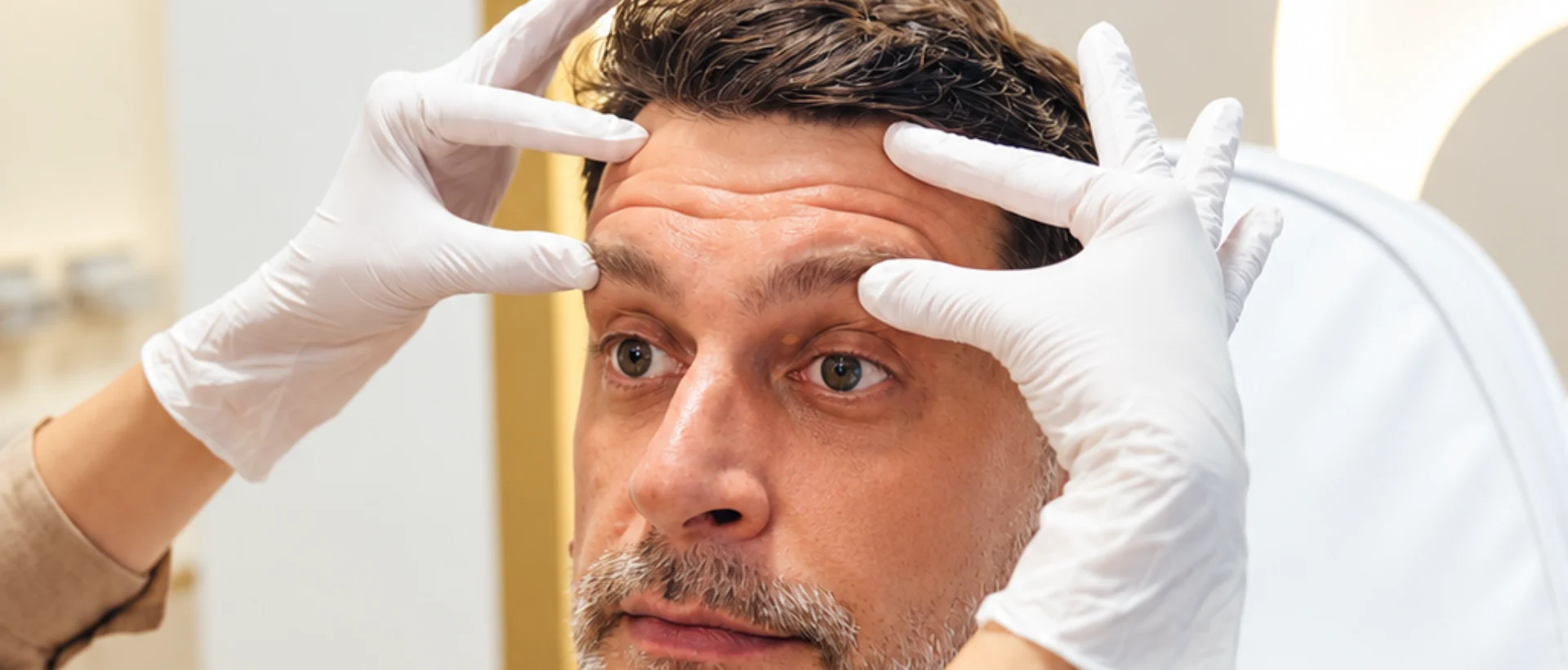
We assess your mouth corners at rest, while speaking, while smiling and while tightening the mouth muscles. This helps us distinguish the effects of muscle activity from changes in tissue and volume.

NATURAL. SUBTLE. YOU.
Targeted botulinum toxin treatment for downturned mouth corners and a friendlier expression.

Downturned Mouth Corner Treatment with Botulinum Toxin Downturned mouth corners may make you look sad, tired or tense, regardless of how you feel. Strong activity in the muscles that pull the corners down often contributes. Targeted botulinum toxin treatment can reduce this pull, allowing the mouth corners to relax slightly. The aim is a more relaxed mouth area that suits your face and preserves your natural smile.
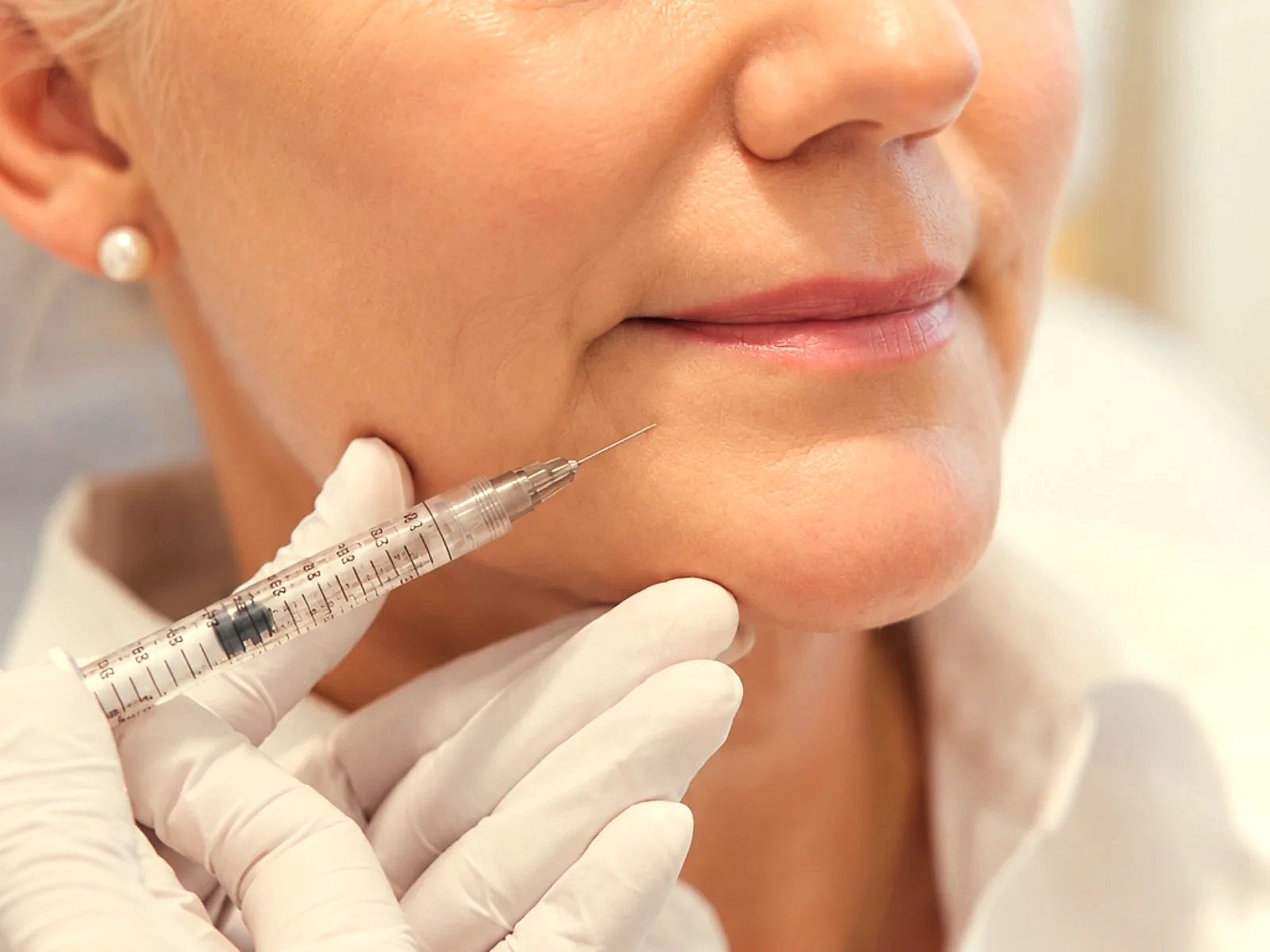
The depressor anguli oris (DAO) muscle pulls the mouth corners down. When this muscle is particularly active, botulinum toxin selectively weakens its pull. This changes the balance between the muscles that lift and lower the mouth corners, reducing the downward pull. The shape and position of the mouth corners also depend on lip shape, volume, skin and underlying tissue, all of which we assess before treatment.
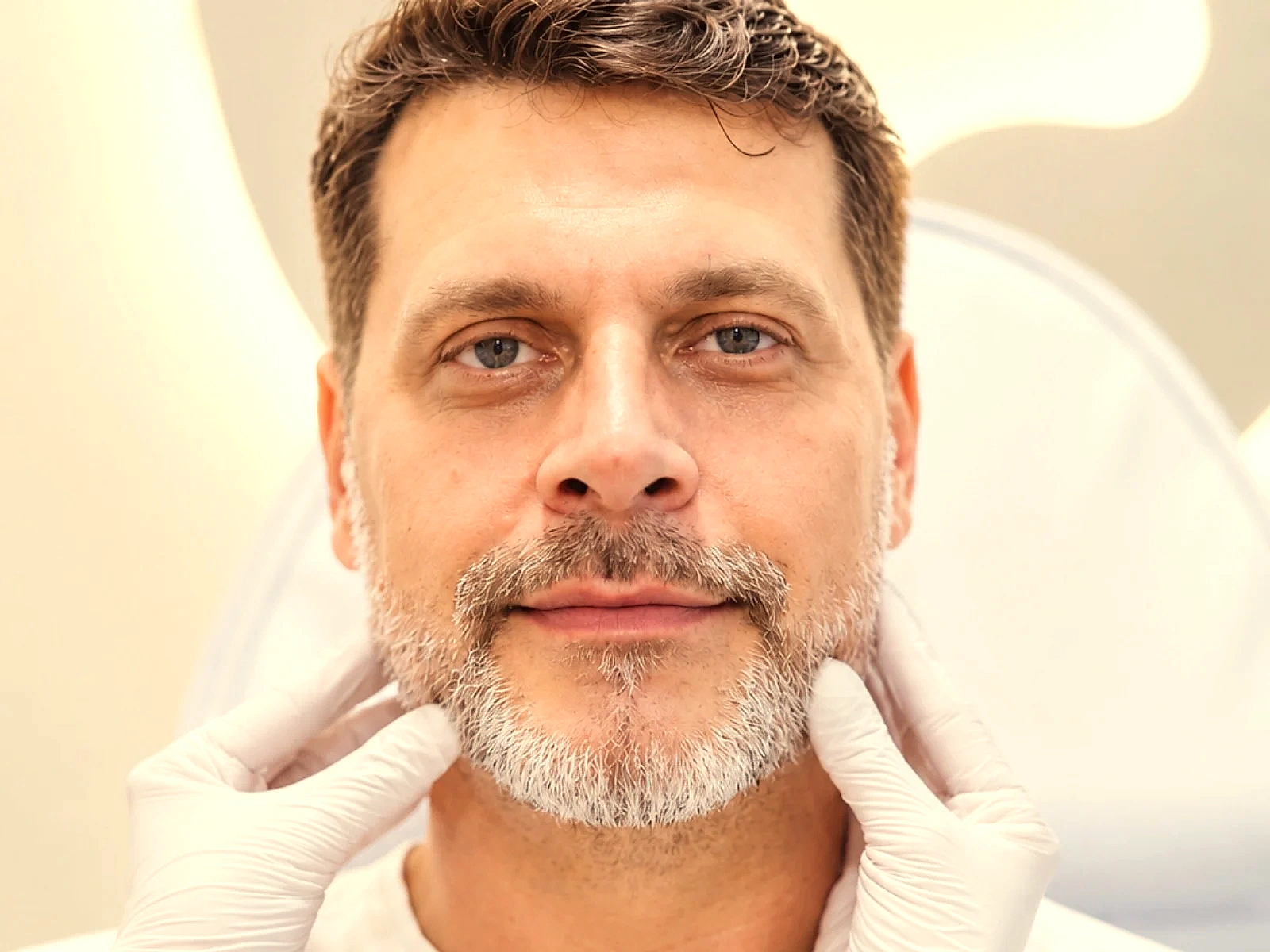
Treatment may be suitable if your mouth corners turn noticeably downwards at rest and strong muscle activity contributes to this. We examine the area and ask you to make specific facial movements to assess the cause. If there is also volume loss, pronounced marionette lines or greater skin laxity in the lower face, botulinum toxin alone is often insufficient. We discuss which treatment or combination may be more suitable.

The muscles around the mouth work together to support speech, smiling and lip movement. A detailed knowledge of anatomy, precise injection points and conservative doses are essential. We discuss side effects and suitability during your medical consultation.
Precise dosing is crucial because these muscles affect lip and mouth movements.
We assess your mouth corners at rest, while speaking, while smiling and while tightening the mouth muscles. This helps us distinguish the effects of muscle activity from changes in tissue and volume.

If the muscles pull your mouth corners down strongly, we select injection points and doses based on symmetry and how these muscles work with your chin and lower lip.
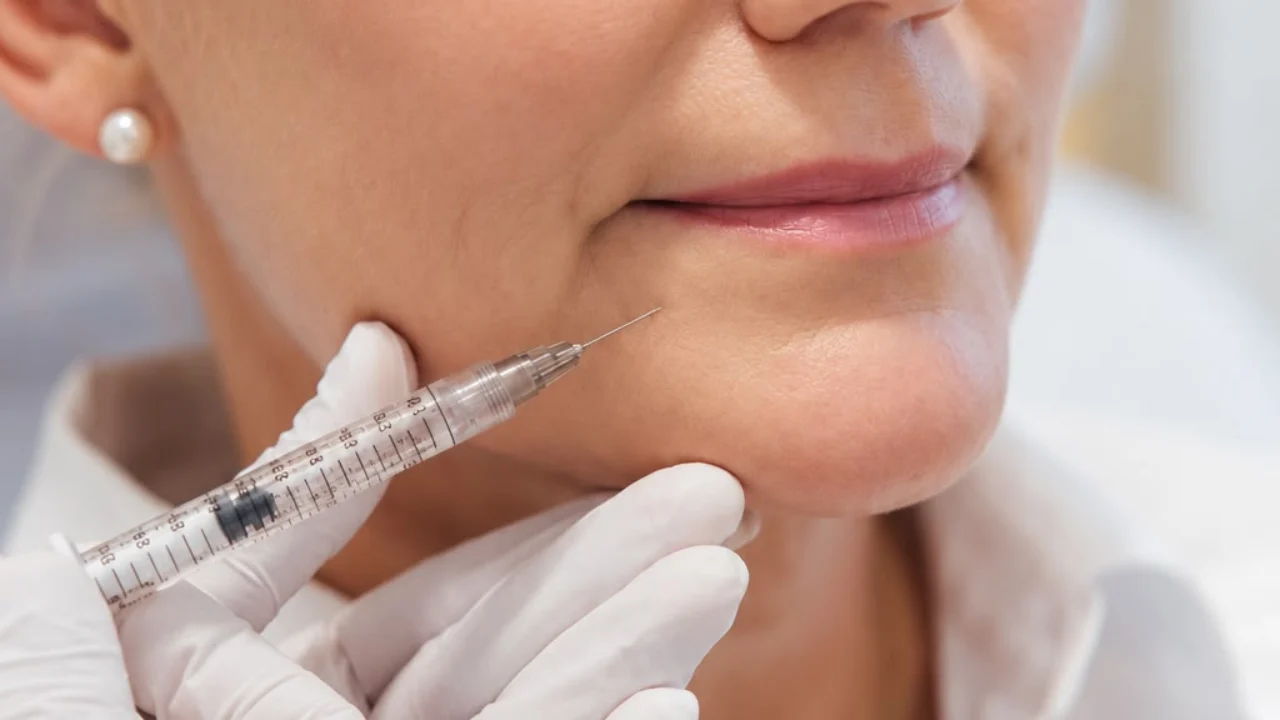
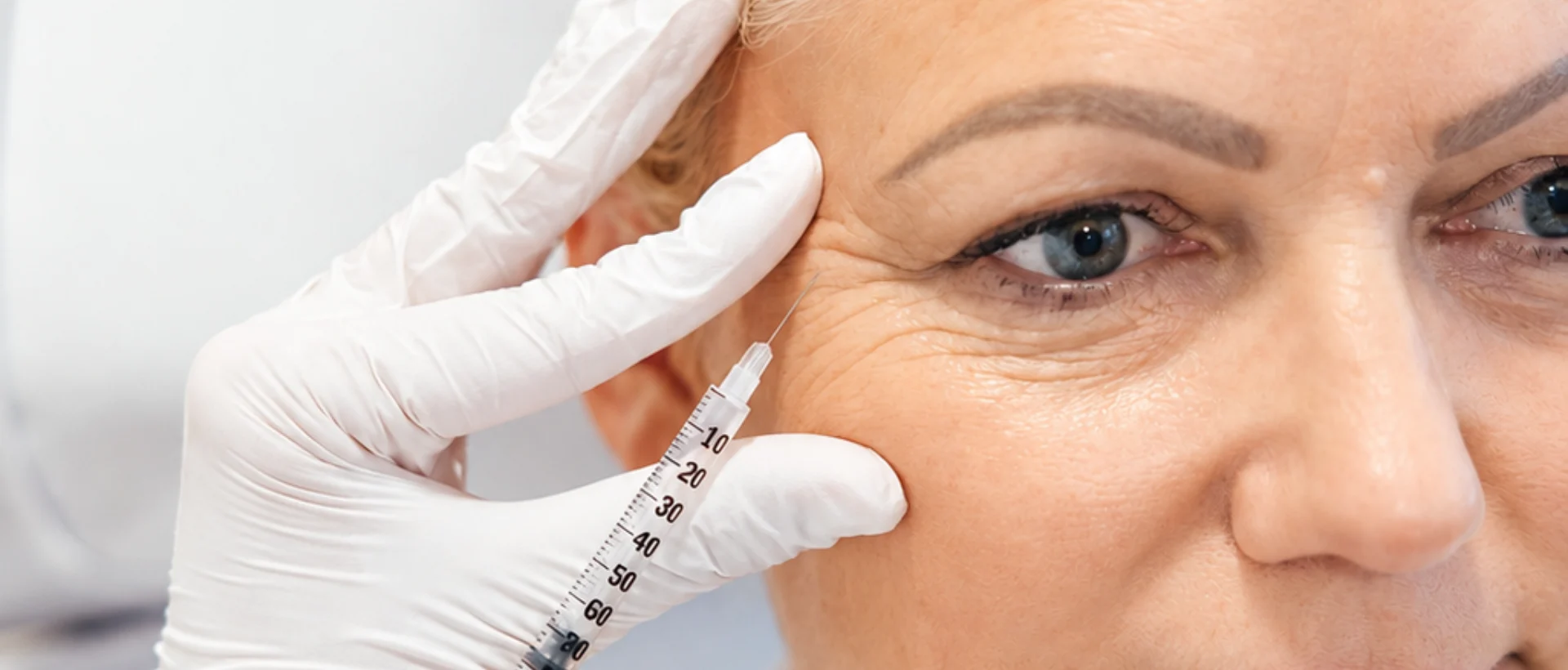
We use a fine needle to inject small doses precisely into the relevant muscles. Treatment takes only a few minutes.
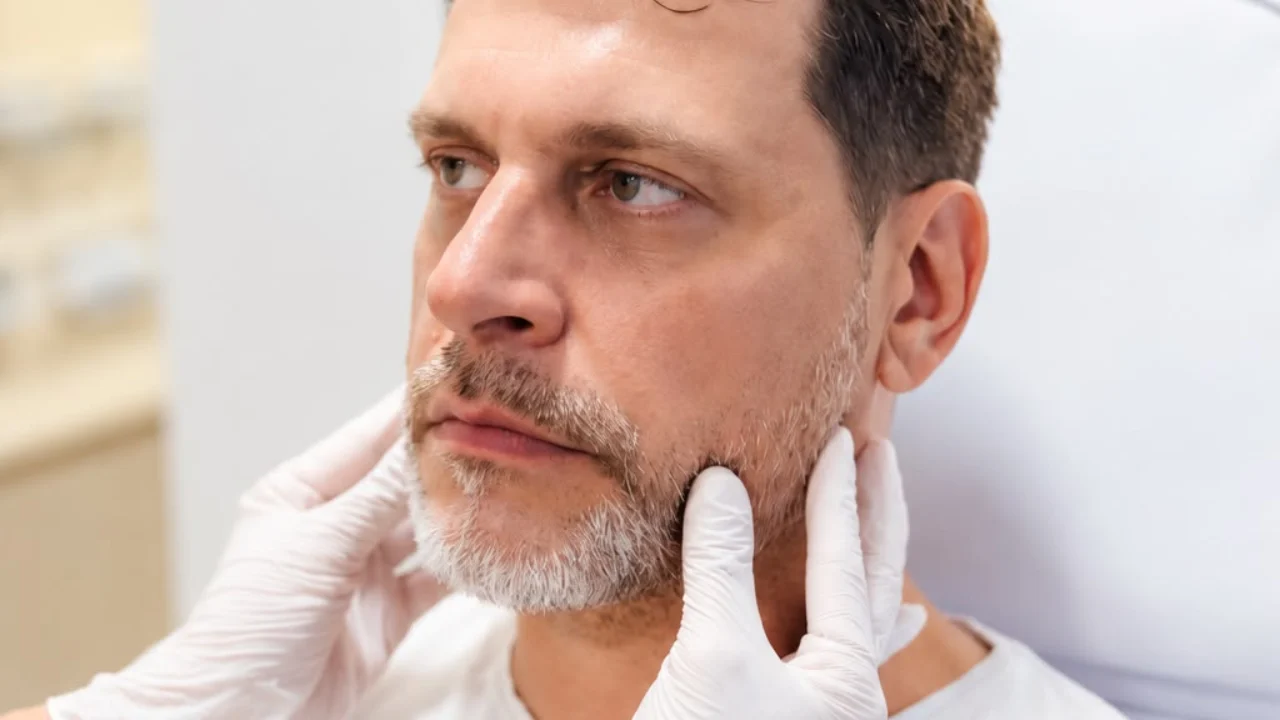
After approximately 10–14 days, we assess the position and symmetry of your mouth corners at rest and during movement, paying particular attention to natural speech and smiling.
Tell us about any medical conditions, allergies, medications and previous lip, chin or lower face treatments. Prior fillers or surgery are also relevant. Do not stop prescribed medication without medical advice.
Minor redness, swelling or bruising may briefly occur. Initially avoid firm rubbing or pressure on the mouth area and follow the advice provided.
Effects develop over the first few days and are assessed after approximately 10–14 days. Where treatment is suitable, the downward pull decreases and the mouth may look more relaxed. Effects usually last three to four months and gradually diminish.
Download the key preparation and aftercare guidance as a PDF.
We plan treatment based on muscle activity, your assessment and the result you want.
Prices may vary according to the dose required and any combination with other treatment areas.
Find direct answers about Downturned Mouth Corners, suitability, results, and aftercare.
Where strong activity in the muscles that lower the mouth corners is a major factor, botulinum toxin may reduce this pull. The effect is usually subtle and depends on your anatomy.
Doses and injection placement are particularly important in this area. We aim to reduce unwanted downward pull while preserving natural mouth function as far as possible.
Effects develop over the first few days. Final results can be assessed after approximately 10–14 days. Effects usually last three to four months, with individual variation.
At DIVINE MEDICA, Theatinerstraße 33, Munich, we first investigate the cause and then decide with you whether botulinum toxin is suitable.

Usually there is no significant downtime. Minor redness or swelling generally settles quickly.

Temporary redness, tenderness, small bruises or tightness may occur. Mouth muscle treatment may also temporarily alter movement or symmetry. We treat conservatively and assess final results only once effects fully develop.

Hyaluronic acid may help where volume loss or marionette lines accompany downward muscle pull. More pronounced tissue sagging may require Aptos or Silhouette Soft threads or surgery. The choice depends on the underlying cause.

Botox is not always suitable for downturned mouth corners, so we first identify the cause. Strong DAO muscle activity may respond to a small, precisely dosed injection. Volume loss or sagging tissue requires a different approach or a combination of treatments. We tailor treatment to the cause rather than following a fixed pattern.

During your consultation, we assess the cause of your downturned mouth corners and discuss what botulinum toxin can realistically achieve. We also consider whether treatment would be more beneficial on its own or combined with another procedure. A 30-minute consultation costs From €75 Plus VAT.
A 30-minute consultation costs From €75 Plus VAT.
Book a consultation >
Specialist in anaesthesiology with a focus on aesthetic medicine and pain management.
View Details →
Specialist in ophthalmology with a focus on facial contouring and aesthetic eyelid treatments.
View Details →
Head of medical cosmetics and device-based aesthetic treatments, with a focus on skin analysis and personalised skincare.
View Details →Visit our private practice for a personal consultation. We take time to answer your questions.
Take a look inside our practice.
A modern, discreet practice where every detail is carefully considered.
How long the effects last depends on factors including the treatment area, dose, muscle activity, metabolism and individual response. Adequate zinc levels are important for many enzyme processes. Some studies have explored a possible link between zinc levels and the effects of botulinum toxin, but there is no clear scientific evidence to support routine zinc supplementation to prolong these effects. Supplements should therefore be considered individually with a doctor, particularly if a deficiency is known or suspected. Repeat treatments are planned according to your response, the reason for treatment and a medical assessment.