01
Shoulder Examination
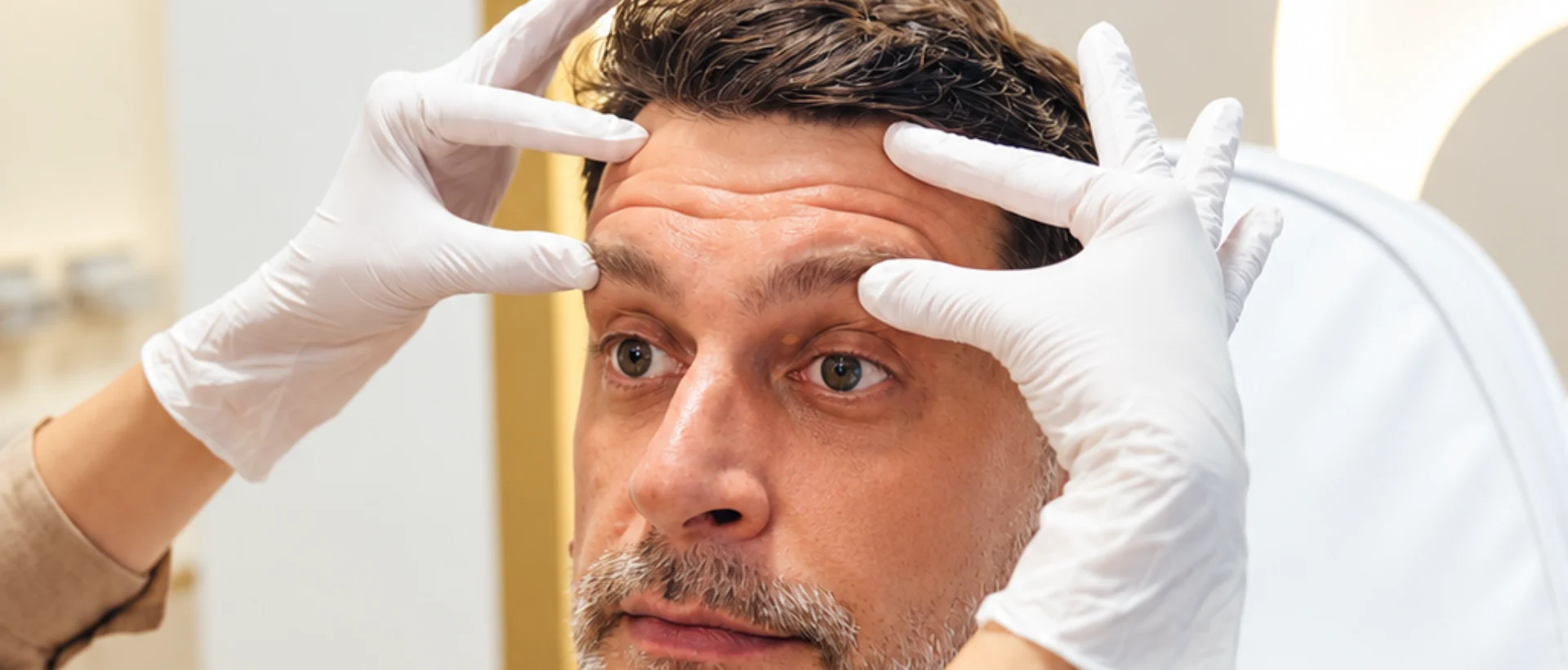
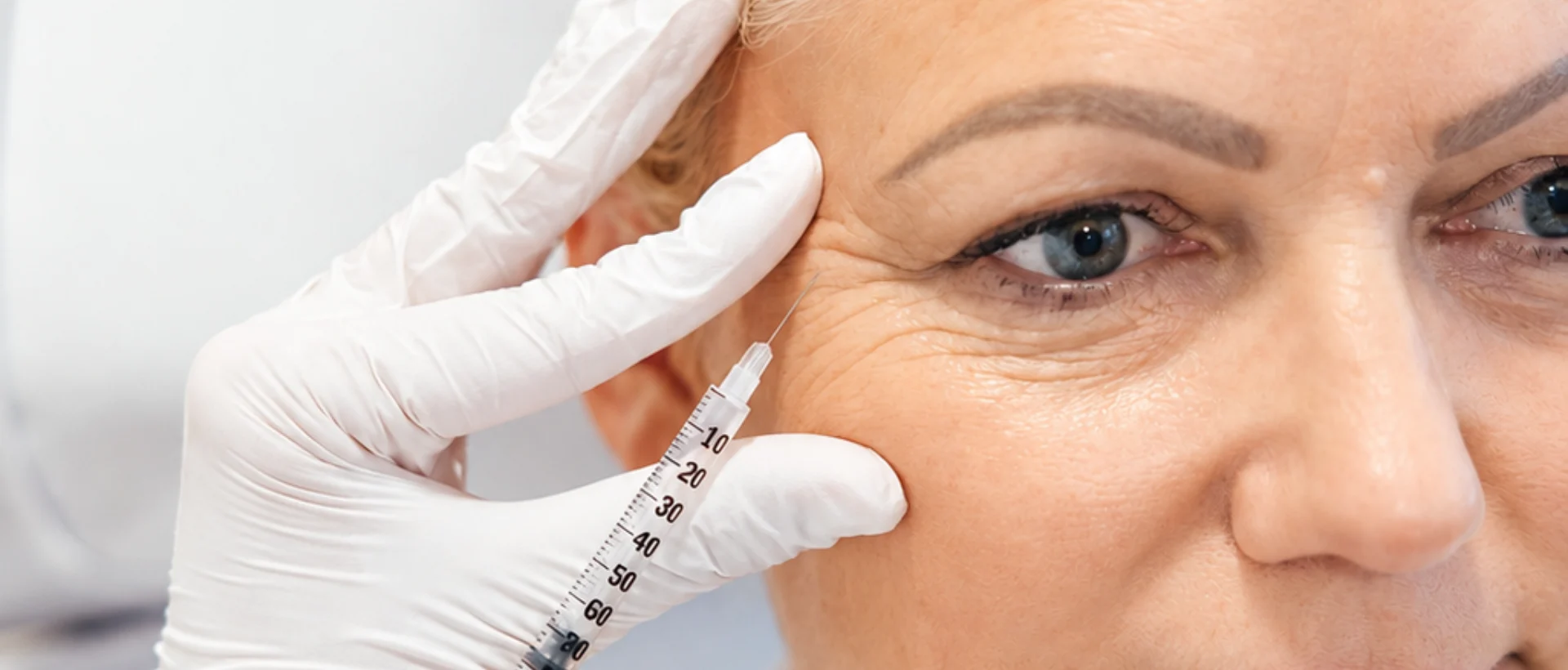
We discuss your symptoms, how they have developed, their triggers, investigations and previous treatments. We then assess muscle tension, movement, strength and differences between the two sides.

NATURAL. SUBTLE. YOU.
Medical assessment and targeted treatment of persistent shoulder tension.

Shoulder Muscle Relaxation with Botulinum Toxin Persistent shoulder tension may cause a feeling of pressure, tightness or strain and make movement increasingly uncomfortable. Where excessive muscle activity is a significant factor, targeted botulinum toxin treatment addresses the relevant muscles rather than relaxing the entire shoulder as much as possible. We take the demands of everyday life, work and sport into account.
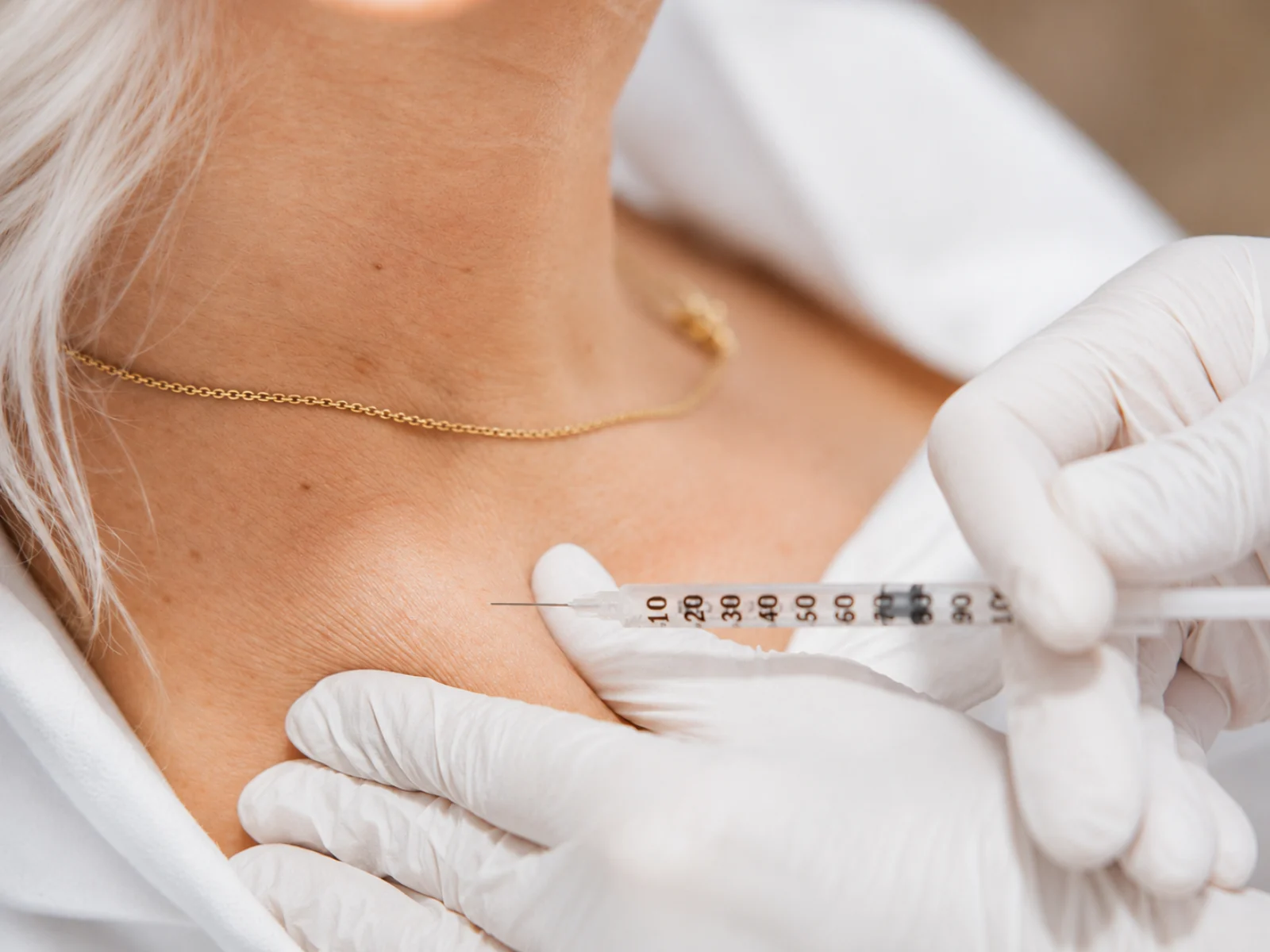
Many muscles work together to maintain shoulder stability and movement. Increased tension can have different causes and involve different muscle groups. Following examination, injections into selected overactive muscles temporarily reduce activity and strain.

Treatment may be suitable for recurring or persistent symptoms that have been investigated and are linked to muscle overactivity. Not all shoulder tension responds to botulinum toxin. Pain may arise from joints, tendons, nerves or structural changes. We establish the cause before deciding on muscle treatment.

We treat only after a medical diagnosis, taking into account the dose, treatment intervals, existing medical conditions and possible interactions.
Preserving shoulder function is essential. We use your symptoms and examination results to identify which muscles need treatment rather than routinely treating an entire muscle group.
We discuss your symptoms, how they have developed, their triggers, investigations and previous treatments. We then assess muscle tension, movement, strength and differences between the two sides.
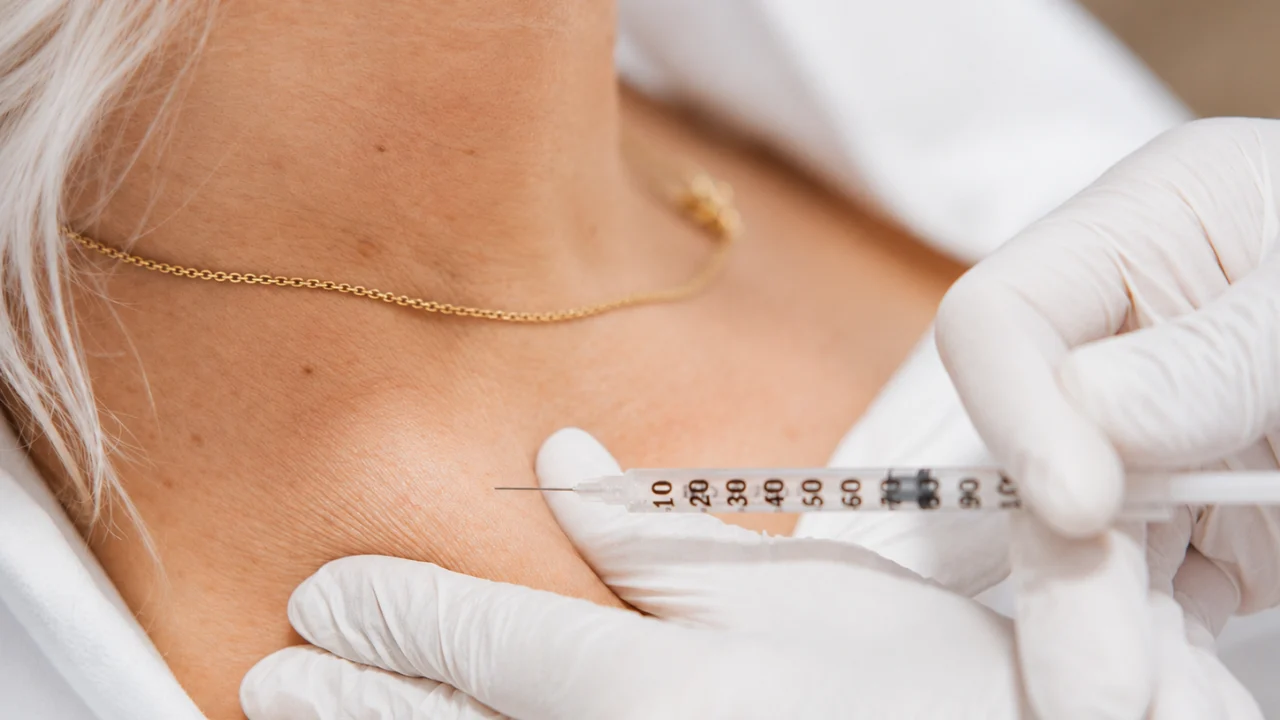
What we find during your examination helps us choose which muscles to treat. We select injection points and doses to reduce excessive activity while preserving stability and movement as far as possible.

We use a fine needle to inject small amounts precisely into selected muscles. How much treatment is needed and the number of injection points depend on what we find during your examination.

At your follow-up appointment, we assess changes in your original symptoms, movement, ability to carry out activities and muscle tension to decide whether further treatment or support may help.
Tell us about any medical conditions, allergies, medication and previous botulinum toxin treatment. Orthopaedic or neurological diagnoses, injuries, surgery, physiotherapy and regular sporting activities are also relevant. Do not stop prescribed medication without medical advice.
Temporary redness, mild swelling, tenderness or bruising may occur. Muscles may feel different or weaker. Follow your aftercare advice on exercise and exertion. Contact us if you develop significant or unusual symptoms.
Effects develop over days to weeks. Improvements in tension, symptoms and everyday movement matter more than a measured reduction in muscle activity alone. We review your response over time. How much relief you experience and how long it lasts depend on the muscles treated, the cause of your symptoms, the dose and your activity levels.
Download the key preparation and aftercare guidance as a PDF.
We select the muscles to treat and the doses based on your symptoms and examination results.
Prices may vary according to the dose and how much treatment is needed.
Answers to your questions about treatment, results and aftercare.
Shoulder botulinum toxin treatment targets individual overactive muscles. After examination, small amounts are injected into selected areas to reduce activity.
The appointment lasts 20–45 minutes. Initial changes are usually apparent after 3–7 days. Full response is generally assessed after 2–4 weeks. Effects usually last around 3–6 months, although the response depends on the condition and dose.
Injections are usually only mildly painful, although experiences vary. Local anaesthesia is generally unnecessary but may be offered on request. Treatment usually causes no significant downtime. Small injection-site bumps or mild swelling may remain visible for a few hours, occasionally up to 1–2 days. Temporary redness, tenderness, small bruises, headache or tightness may occur.
For persistent shoulder tension with an established muscular cause, we discuss whether botulinum toxin may complement your existing treatment. Keep the area clean and initially avoid firm rubbing or pressure. Follow advice on exercise, heat and further treatment. Contact the practice if you develop significant or unusual symptoms.

Usually no significant downtime

Temporary redness, tenderness, small bruises, headache or tightness may occur. These usually resolve on their own.
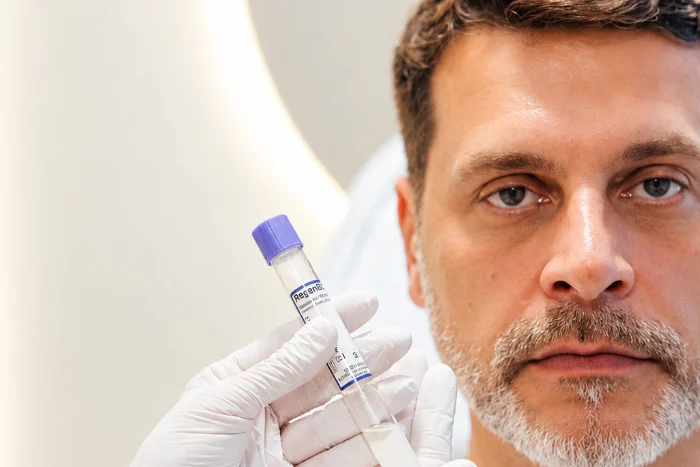
Treatment may be combined with fillers, injections to improve skin quality or laser treatment, provided each procedure is medically appropriate and the timing is carefully planned.

Shoulder pain or tension does not automatically mean the whole shoulder should be relaxed. Muscles support movement and stability of the shoulder and shoulder blade. We identify the structures involved and any excessive muscle activity before deciding whether and where botulinum toxin may help.

During your consultation, we discuss your symptoms, investigations and previous treatments. We then examine your shoulder to assess whether muscle overactivity is a significant factor and whether botulinum toxin is suitable. A 30-minute consultation costs From €75 Plus VAT.
A 30-minute consultation costs From €75 Plus VAT.
Book a consultation >
Specialist in anaesthesiology with a focus on aesthetic medicine and pain management.
View Details →
Specialist in ophthalmology with a focus on facial contouring and aesthetic eyelid treatments.
View Details →
Head of medical cosmetics and device-based aesthetic treatments, with a focus on skin analysis and personalised skincare.
View Details →Visit our private practice for a personal consultation. We take time to answer your questions.
Take a look inside our practice.
A modern, discreet practice where every detail is carefully considered.
How long the effects last depends on factors including the treatment area, dose, muscle activity, metabolism and individual response. Adequate zinc levels are important for many enzyme processes. Some studies have explored a possible link between zinc levels and the effects of botulinum toxin, but there is no clear scientific evidence to support routine zinc supplementation to prolong these effects. Supplements should therefore be considered individually with a doctor, particularly if a deficiency is known or suspected. Repeat treatments are planned according to your response, the reason for treatment and a medical assessment.